
What Is Chatbot Automation? [Benefits & Main Features]
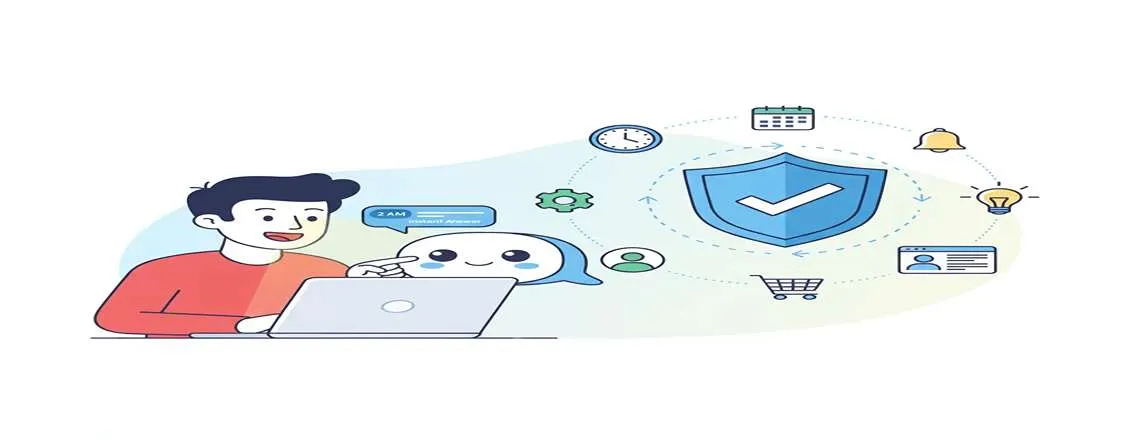
Imagine you visit a website at 2 AM with a problem. You type your question and get an answer instantly. That’s Chatbot Automation at work. An automated chatbot acts like a tireless helper. In the USA, more companies now use AI chatbot systems to handle customer support duties around the clock. With Chatboq, businesses can now build intelligent bots to enhance customer engagement, improve lead generation, and reduce operational costs.
📑 Table of Contents
- What Is Chatbot Automation? [Benefits & Main Features]
- What Is Chatbot Automation?
- How Does Chatbot Automation Work?
- Key Features of Chatbot Automation
- Major Benefits of Chatbot Automation
- Top Use Cases and Industry Applications
- Best Practices for Chatbot Automation Success
- Conclusion
- Frequently Asked Questions (FAQs)
In this article, you’ll learn what chatbot automation is, how it works, its key features of chatbot automation, the benefits it delivers, and real-world use cases for businesses of all sizes. You’ll also discover how to implement chatbot automation for customer support using platforms like Chatboq’s Chatbot Builder.
What Is Chatbot Automation?
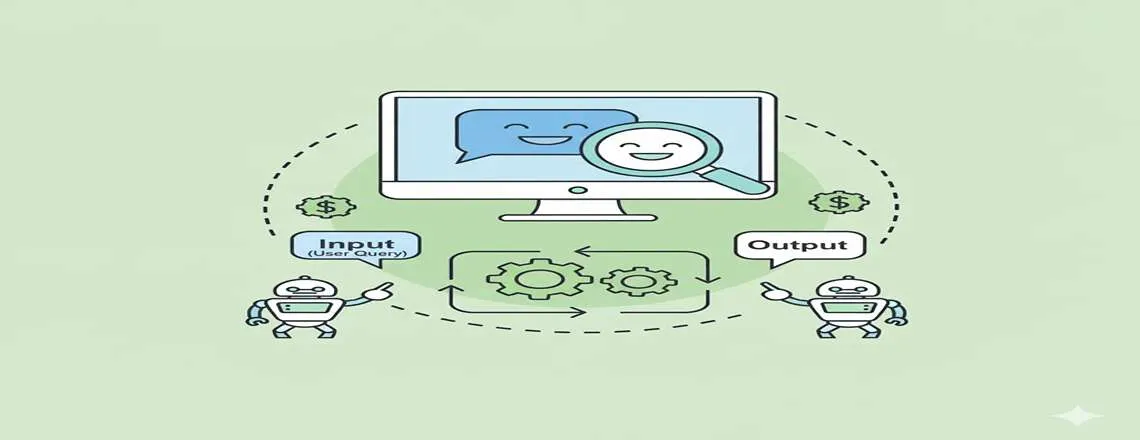
Chatbot automation means using software so a chatbot handles tasks humans used to do. The system uses NLP (Natural Language Processing) and ML (Machine Learning) to talk like a human and decide what to reply.
Unlike a manual chatbot that follows fixed rules, an automated chatbot adapts. Manual bots fail when users ask curiously. Automated bots can learn and handle varied queries. For modern customer interactions, automation is key. It turns slow, rigid responses into fast, intelligent conversations.
How Does Chatbot Automation Work?
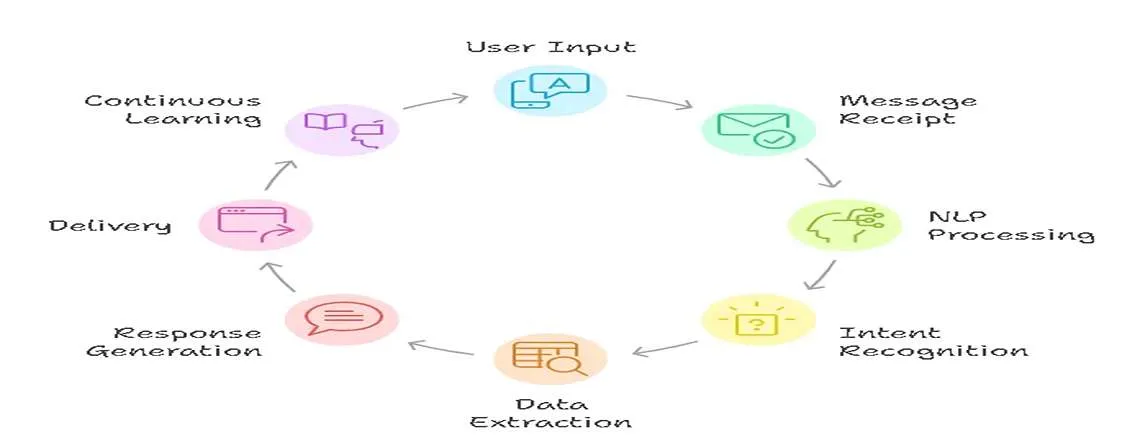
Chatbot automation involves a structured chatbot automation process that ensures accurate, human-like responses.
User Input and Message Receipt
The customer support chatbot captures what the user types or says on a website, app, or social media platform. This is the first step in the chatbot interaction process.
Natural Language Processing (NLP)
The AI-powered chatbot analyzes the text to understand the meaning and context of the user’s message. NLP helps the bot interpret varied questions accurately.
Intent Recognition
The system identifies the user’s goal or purpose, whether it’s booking a service, asking about a product, or reporting an issue. This user intent recognition guides the bot’s response.
Data Extraction and Response Generation
The bot retrieves relevant information from integrated systems like CRM, databases, or knowledge bases. It then generates an accurate and helpful reply.
Delivery and Continuous Learning
The automated chatbot sends the response to the user in real-time. The self-learning chatbot improves over time by analyzing user interactions and feedback.
AI and Machine Learning Enhancement
ML algorithms allow the bot to improve its accuracy, personalize conversations, and handle complex queries, supporting workflow automation, chatbot scalability, and customer experience improvement.
Key Features of Chatbot Automation
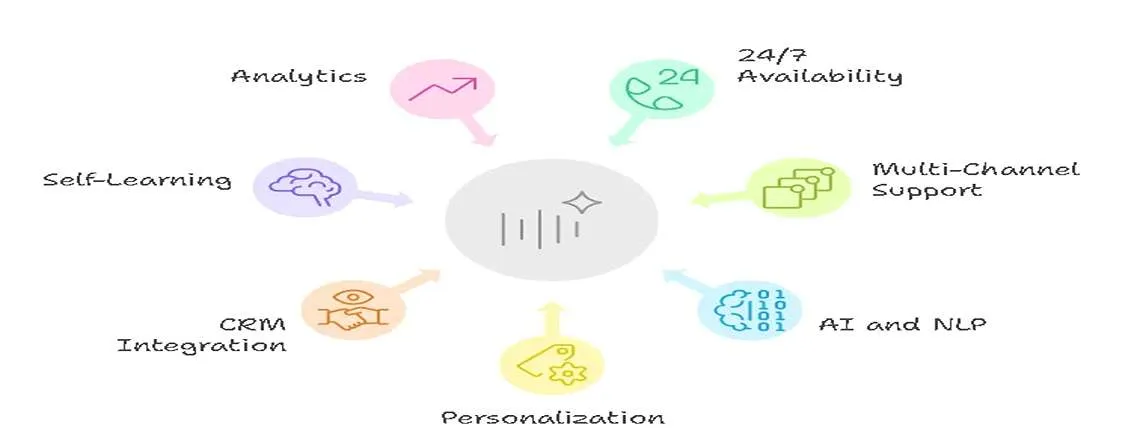
24/7 Chatbot Availability
With Chatbot Automation, your AI-powered chatbot never sleeps. It provides real-time customer support, ensuring instant responses even outside business hours. This feature improves customer satisfaction and keeps engagement active around the clock.
Multi-Channel and Multilingual Support
A self-learning chatbot can communicate across multiple platforms, like websites, apps, Facebook, and WhatsApp, offering omnichannel communication in various languages. This makes it easier to reach global customers and maintain a consistent customer experience.
AI and NLP-Powered Conversations
Modern automated chatbots use Artificial Intelligence (AI), Natural Language Processing (NLP), and Machine Learning (ML) to understand user intent, extract data, and give accurate, human-like responses. This creates seamless customer engagement automation.
Personalization and Easy Customization
Through platforms like Appy Pie’s Chatbot Builder, businesses can easily design and personalize chatbot conversations. This chatbot personalization helps build trust and loyalty by adapting to user behavior and previous interactions.
CRM and App Integration
Chatbot integration with Customer Relationship Management (CRM) tools, social media, and apps allows data sharing in real time. This ensures smooth workflow automation and unified customer insights across platforms.
Self-Learning Capabilities
A self-learning chatbot constantly improves by analyzing customer feedback and interaction data. With continuous ML training, the bot becomes smarter, reducing errors and improving customer service automation.
Analytics and Insights
AI chatbots generate detailed reports on customer intent, satisfaction, and engagement. These insights help companies enhance customer experience improvement strategies and optimize future interactions.
Major Benefits of Chatbot Automation
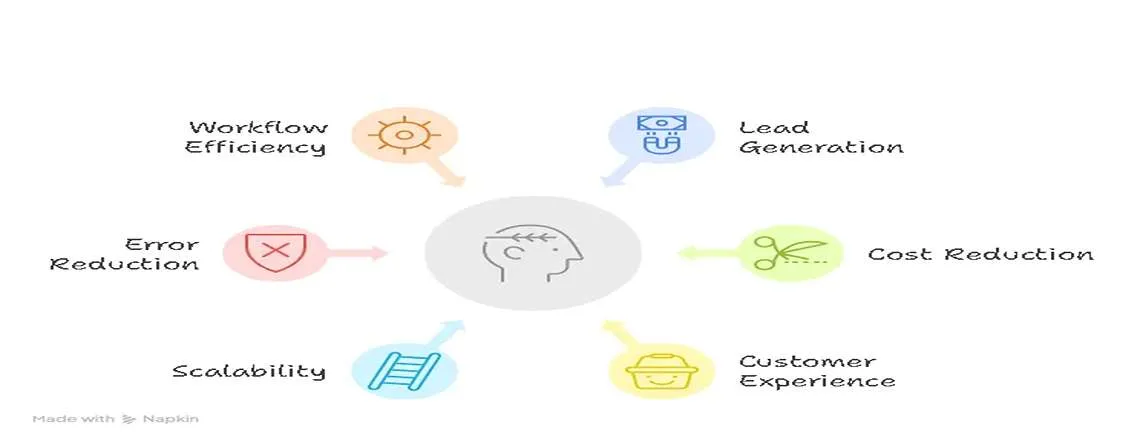
Improved Lead Generation and Sales
Chatbot for lead generation engages visitors instantly, qualifying prospects with targeted questions and nurturing them through automated sequences. This increases conversion rates and accelerates the sales funnel.
Reduced Operational Costs and Time
By automating repetitive tasks, automated chatbots cut down labor costs and human workload. They provide efficient automated customer support without requiring large support teams.
Enhanced Customer Experience and Retention
Through AI-powered chatbots, businesses provide consistent, friendly, and personalized service. This leads to stronger customer loyalty, better engagement, and higher retention rates.
Scalability and Consistent Performance
As businesses grow, chatbot automation scales easily. It handles thousands of queries simultaneously, ensuring steady performance and availability during peak demand.
Lower Risk of Human Error
Unlike human agents, automated chatbots never mistype or forget information. Their precision and data extraction capabilities ensure accurate and reliable customer responses.
Increased Workflow Efficiency
Workflow automation simplifies complex business operations. With chatbot integration, departments like HR, IT, and marketing can automate repetitive communication and focus on higher-value tasks.
Business Growth with Chatbot Automation
When used strategically, chatbot automation enhances brand image, improves customer engagement, and accelerates business growth through better service and cost efficiency.
Top Use Cases and Industry Applications
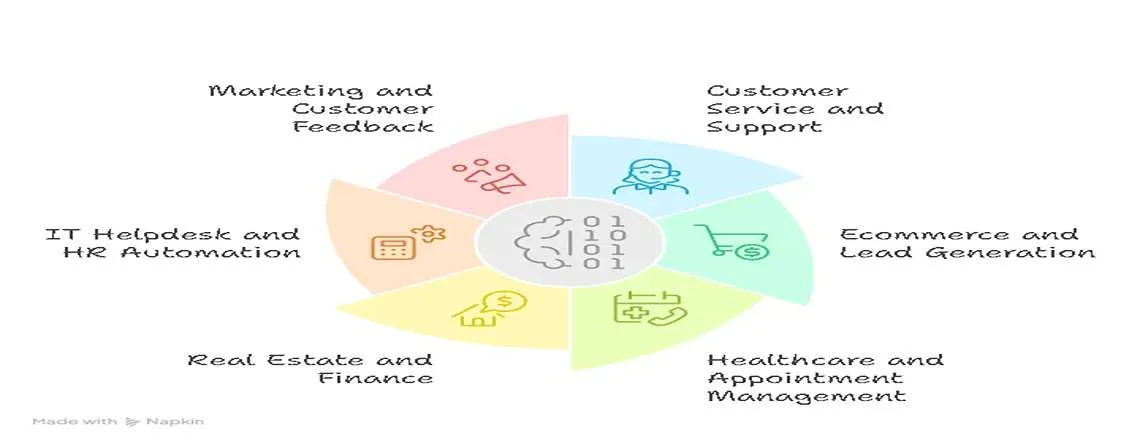
Customer Service and Support
Customer support chatbots instantly resolve FAQs, order tracking, and complaints, reducing wait times and improving real-time customer support quality.
Ecommerce and Lead Generation
In eCommerce, AI chatbots for businesses assist customers with product searches, recommendations, and payments, leading to better conversions and lead nurturing automation.
Healthcare and Appointment Management
Hospitals use AI-powered chatbots to manage appointments, send reminders, and assist patients with health information, improving accessibility and efficiency.
Real Estate and Finance
In real estate and finance, automated chatbots handle property listings, mortgage details, and lead qualification. This enhances customer experience and ensures faster responses.
IT Helpdesk and HR Automation
Companies use self-learning chatbots to handle employee requests, password resets, and onboarding queries. This saves time and enhances workflow automation in corporate environments.
Marketing and Customer Feedback
Omnichannel chatbots gather real-time feedback, run surveys, and recommend products based on customer preferences, boosting engagement and conversion.
Best Practices for Chatbot Automation Success
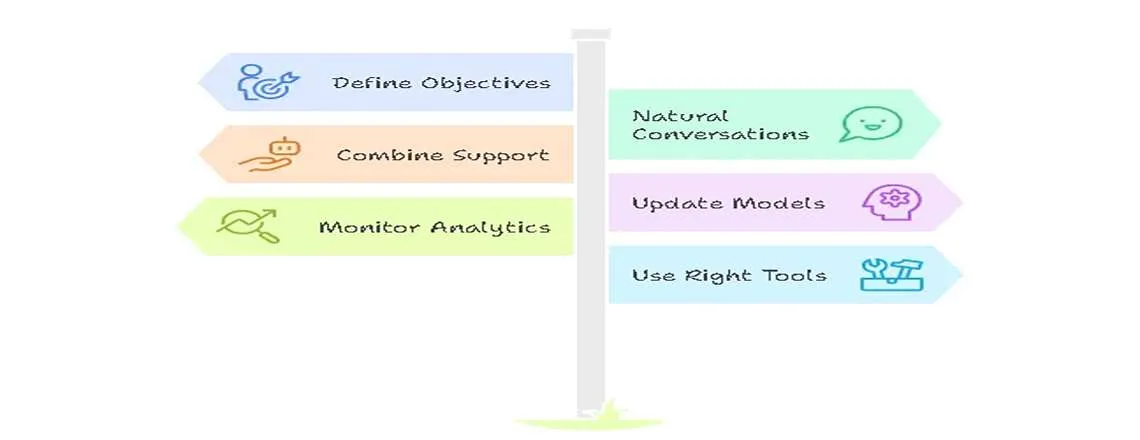
Define Clear Objectives and Workflows
Before deploying a customer support chatbot, set specific goals. Decide if it’s for lead generation, handling FAQs, or improving customer engagement automation. Map out the chatbot interaction process to ensure smooth conversations and efficient workflow automation.
Keep Conversations Natural and User-Centric
Use friendly language and a human-like tone in your AI-powered chatbot. Incorporate chat and voice assistance where possible, and make the experience intuitive. This enhances customer satisfaction and promotes chatbot customer retention.
Combine Automation with Live Support
While automated chatbots handle routine queries, integrate human agents for complex issues. Smooth handoffs ensure users feel supported, combining chatbot automation for customer support with a personal touch.
Regularly Update and Train Chatbot Models
Continuously train your self-learning chatbot using new user data. Update responses, fix errors, and refine NLP (Natural Language Processing) and ML (Machine Learning) algorithms. This ensures the bot adapts, improving customer experience over time.
Monitor Analytics and Insights
Track performance with metrics like response time, satisfaction scores, and lead nurturing automation success. AI chatbots for businesses generate data to help optimize strategies, improve chatbot personalization, and guide future business growth with chatbot automation.
Use the Right Chatbot Software Tools
Platforms like Chatboq Chatbot Builder or enterprise chatbot platforms help create scalable, intelligent bots. Choose software that supports CRM integration, omnichannel deployment, and analytics for maximum efficiency.
Conclusion
In 2025, Chatbot Automation is transforming how businesses connect with customers. With AI chatbots, NLP, and ML, brands can now deliver 24/7 customer support, boost lead generation, and enhance customer experience through automated chatbots.
Modern tools like Chatboq Chatbot Builder make chatbot integration, allowing companies to design AI-powered chatbots that handle real-time conversations across omnichannel communication platforms. This level of customer service automation ensures scalability, accuracy, and customer retention while reducing costs.
Whether you’re in eCommerce, healthcare, finance, or HR, chatbot automation for customer support drives engagement, improves customer experience, and boosts business growth with chatbot automation.
Frequently Asked Questions (FAQs)
Chatbot Automation uses AI chatbots with NLP and machine learning to automate tasks and provide 24/7 customer support.
It captures user input, identifies intent, extracts data, and delivers responses in real-time using AI and ML.
Features include multi-channel support, personalization, self-learning, CRM integration, and analytics insights.
It improves lead generation, reduces costs, enhances customer experience, and ensures scalability and accuracy.
Ecommerce, healthcare, real estate, finance, IT, HR, and marketing benefit from automated customer support and workflow automation.
It provides real-time assistance, chat and voice support, and personalized responses for better customer retention.
Top tools include Chatboq Chatbot Builder and enterprise chatbot platforms with AI-powered personalization.
It automates lead nurturing, customer engagement, and workflow, boosting efficiency and business growth.
Use Chatboq Chatbot Builder, define goals, integrate CRM, and leverage NLP and ML for real-time support.
It ensures 24/7 customer service, reduces human error, and scales operations with AI chatbots.

Daniel Wong
Technical Content Writer
My name is Daniel Wong, a Technical Content Writer from Singapore with a strong interest in AI-powered tools and digital automation. At ChatBoq AI, I focus on creating practical and easy-to-follow content that helps businesses and individuals understand how chatbots work and how to use them effectively.
I enjoy breaking down complex topics like natural language processing (NLP) and conversational AI into simple guides that anyone can follow. Each article is based on careful research, real-world examples, and testing to ensure accuracy and reliability.
Through ChatBoq AI, my goal is to provide readers with trustworthy insights, step-by-step tutorials, and the latest trends in chatbot technology.
✍️
Expert in AI & Chatbot Technology

Leave A Comment