

Voice Chatbots: The Next Step in Human-Like Customer Interaction

Remember when talking to a customer service rep meant waiting on hold forever? Yeah, me too. Things are changing fast, though. We’re talking about Voice Chatbots: The Next Step in Human-Like Customer Interaction. These aren’t your grandma’s automated phone menus. We’re moving towards bots that actually sound like they understand you, making things way smoother for everyone involved. It’s pretty wild how far we’ve come, and it’s only going to get more interesting.
📑 Table of Contents
- Voice Chatbots: The Next Step in Human-Like Customer Interaction
- Key Takeaways
- The Evolution of Customer Interaction with Voice Chatbots
- Key Advantages of Implementing Voice Chatbots
- Enhancing Customer Experience Through Voice Technology
- Addressing Challenges in Voice Chatbot Development
- The Future Role of Voice Chatbots in Customer Service
- Strategic Considerations for Voice Chatbot Integration
- The Road Ahead
- Frequently Asked Questions (FAQs)
Key Takeaways
| Voice chatbots are evolving from simple scripts to smart assistants that can handle complex conversations, making customer interactions feel more natural. These bots significantly reduce customer wait times and help businesses operate more efficiently by handling many requests at once, 24/7. Voice technology enables more personalized customer experiences, leading to happier customers and stronger brand loyalty. Developing voice chatbots isn’t without its hurdles, such as ensuring they understand different accents and avoiding bias in their responses. The future sees voice chatbots working alongside human agents, offering deep sales help, and transforming how we get support across all digital platforms. |
The Evolution of Customer Interaction with Voice Chatbots
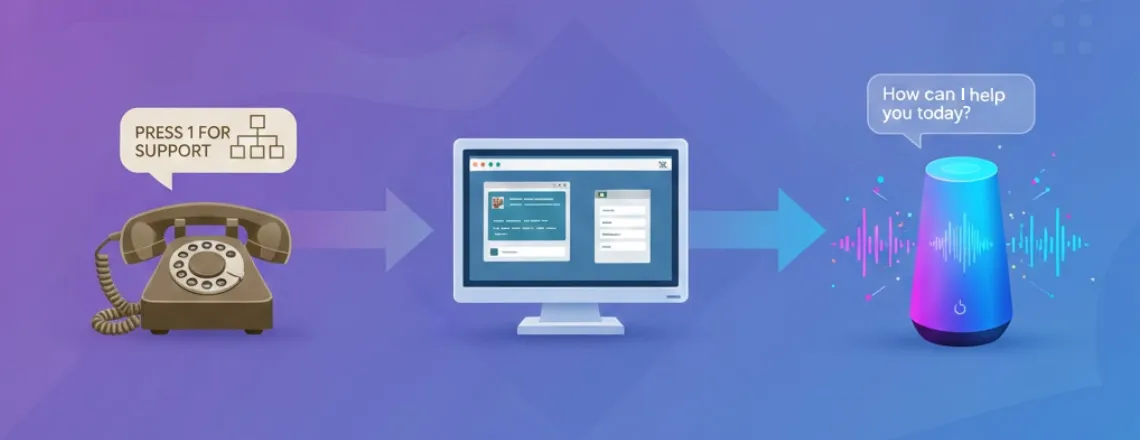
Remember when calling customer service meant waiting on hold, listening to elevator music, and then getting a script? Yeah, me too. It felt like a chore, right? Well, things have changed a lot, and voice chatbots are a big part of that shift. We’ve moved from those clunky, pre-programmed responses to something that actually feels like talking to a person. It’s pretty wild how far we’ve come. Modern AI chatbots and automation platforms are revolutionizing how businesses communicate with customers.
From Scripted Responses to Natural Conversations
Back in the day, if you called a company, you were often met with a rigid phone tree. “Press 1 for sales, press 2 for support.” If you were lucky, you might get to a human, but even then, they often had a script they had to stick to. It wasn’t exactly a conversation. Now, with advancements in AI, voice chatbots can actually understand what you’re saying, not just keywords. They can pick up on your tone and the intent behind your words. This means you can talk to them more like you’d talk to a friend, without worrying about using the exact right phrase. It’s a huge leap from just pressing buttons.
The Rise of Intelligent Virtual Assistants
These aren’t your grandma’s automated systems. Today’s voice chatbots are more like intelligent virtual assistants. They use natural language processing to figure out what you need. Think about it: you can ask a question in your own words, and the bot can process that and give you a relevant answer. It’s not just about answering simple questions anymore; these assistants can handle more complex tasks, making them genuinely helpful tools for customers. They’re available 24/7, which is a lifesaver when you have a problem outside of normal business hours.
Voice and Video Capabilities Reshaping Expectations
It’s not just about voice anymore, either. Some systems are starting to incorporate video, too. This opens up a whole new level of interaction. Imagine a customer service agent who can not only hear you but also see you (or a screen share) to help troubleshoot a problem. This ability to communicate through multiple channels, especially with more natural methods like voice, is really changing what people expect from customer service. We’re getting used to instant, personalized help, and that’s setting a new standard for businesses.
Key Advantages of Implementing Voice Chatbots

So, why should businesses even bother with voice chatbots? It really boils down to making things better for everyone involved. For starters, nobody likes being put on hold, right? Voice bots can pretty much eliminate those annoying wait times. They’re available all day, every day, ready to help out with common questions or tasks. This means customers get answers fast, and that usually makes them happier.
Then there’s the whole productivity thing. Think about it: a human agent can only talk to one person at a time. A voice chatbot, though? It can handle a ton of conversations all at once. This is a big deal for scaling up your customer service without needing to hire a massive team. It frees up your human staff to deal with the really tricky problems that need a personal touch, instead of answering the same basic questions over and over.
Eliminating Customer Wait Times
This is a huge one. People today expect quick answers. Waiting on the phone or for an email reply just doesn’t cut it anymore. Voice chatbots are always on, ready to go. They can handle simple requests instantly, 24/7. This immediate response makes a big difference in how customers feel about your brand.
Boosting Operational Productivity and Scalability
Imagine your support team being able to handle way more customer interactions without breaking a sweat. That’s what voice chatbots do. They can manage countless conversations simultaneously, which means your business can grow without its support system getting overwhelmed. It’s like having an extra, tireless team member who’s always ready to jump in.
Enabling Seamless, Natural Communication
Forget those clunky, robotic-sounding bots of the past. Modern voice chatbots use smart technology to understand what people are actually saying, in their own words. You don’t need to memorize specific commands. You can just talk to it like you would a person. This makes the whole interaction feel much more natural and less like a chore.
The ability for a voice chatbot to understand natural language is a game-changer. It means customers can express their needs freely, without having to adapt their speech to fit a rigid system. This flexibility builds trust and makes the customer feel heard and understood, which is half the battle in good customer service.
Here’s a quick look at what that means:
- Instantaneous Responses: No more waiting. Get answers right away.
- 24/7 Availability: Help is always there, no matter the time or day.
- Handling Volume: Manages many customer requests at the same time.
- Reduced Agent Load: Frees up human staff for complex issues.
It’s not just about being faster; it’s about being smarter and more available. This leads to a better experience for the customer and a more efficient operation for the business. Businesses leveraging chatbots for sales are seeing these productivity gains translate directly into increased revenue and customer satisfaction.
Enhancing Customer Experience Through Voice Technology
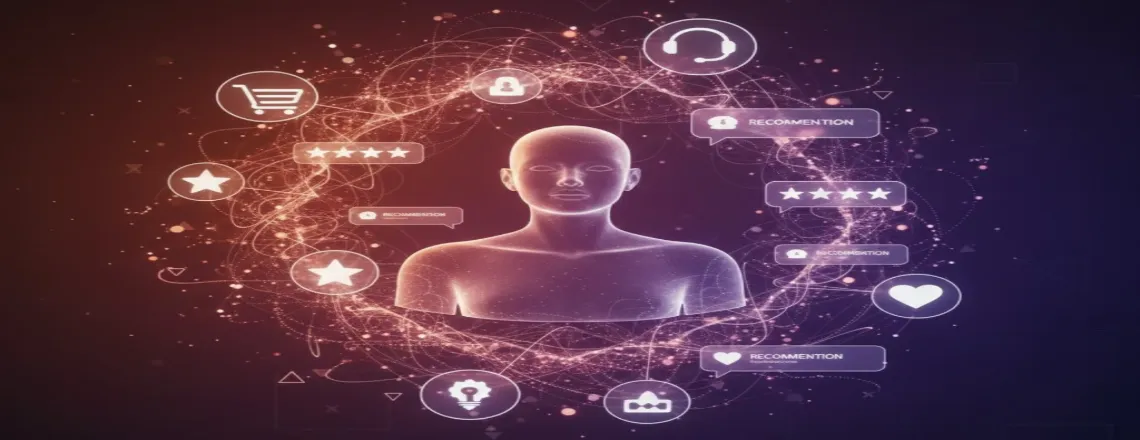
Think about how you like to talk to people. You don’t usually use super formal language, right? You use your own words, maybe a bit of slang, and you expect the other person to get it. That’s exactly what voice chatbots bring to customer service. They move beyond just following a script to actually understanding what you’re saying, even if it’s not perfectly phrased.
Personalized Interactions and Tailored Recommendations
Voice bots can do more than just answer questions. By remembering past conversations and preferences, they can offer suggestions that actually fit what you’re looking for. It’s like talking to a helpful store clerk who knows your style. This makes you feel more seen and less like just another number. E-commerce businesses using chatbots are particularly benefiting from this level of personalization, with voice interfaces making product discovery more intuitive than ever.
- Remembering past purchases: Suggesting accessories for an item you bought last month.
- Understanding preferences: Offering vegetarian options if you’ve always ordered them.
- Adapting to tone: Adjusting the conversation style based on your mood.
Improving Brand Loyalty and Engagement
When customers have a good experience, they tend to stick around. Voice chatbots make it easier for people to get help quickly and without frustration. This positive interaction builds trust and makes them more likely to choose your brand again. It’s not just about solving a problem; it’s about making the whole process pleasant.
A smooth, helpful interaction can turn a one-time buyer into a regular customer. People appreciate it when a company makes it easy for them to get what they need.
Maintaining Consistent Brand Messaging
One of the tricky parts of customer service is making sure everyone on the team sounds like they represent the same company. Voice chatbots are trained on specific information and brand guidelines. This means they always give the same, correct answers, no matter when or how a customer contacts them. This consistency helps build a strong, reliable brand image.
Addressing Challenges in Voice Chatbot Development

Building voice chatbots isn’t just plug-and-play; there are some real hurdles to clear to make them work well. It’s not always as simple as just getting the tech to listen and talk.
Navigating the Nuances of Voice Input
One of the trickiest parts is getting the bot to understand what people are actually saying. Everyone talks differently, right? You’ve got different accents, speeds, and ways of saying things. Even the same person might sound different depending on their mood or if they’re in a hurry. This means the bot needs to be smart enough to catch regional slang or odd pronunciations without getting confused. It’s a constant effort to make sure the bot can interpret the intent behind the words, not just the words themselves.
Mitigating Gender and Data Biases
AI learns from the data it’s fed, and sometimes that data has built-in biases. This can lead to a voice chatbot responding differently to a man than a woman, even if they ask the exact same question. It’s not intentional, but it happens because the training data might lean more towards one voice type or contain skewed information. Developers have to actively work to make sure the bot treats all voices equally. This involves carefully checking and cleaning the data used to train the AI.
Ensuring Accurate Speech Recognition in Noisy Environments
Ever tried to have a phone call when there’s a lot of background noise? It’s tough, and it’s the same for voice chatbots. Things like traffic sounds, other people talking, or even a weak microphone can make it hard for the bot to pick up the words clearly. This means the transcription can be wrong, leading to the bot misunderstanding the request. Getting this right means the technology needs to be really good at filtering out distractions and focusing on the speaker’s voice.
The goal is to create a system that’s robust enough to handle real-world listening conditions, not just a quiet, controlled room. This means more advanced sound processing and better algorithms for distinguishing speech from noise. While these challenges exist, understanding the risks and disadvantages of chatbots helps businesses implement more robust and fair voice AI systems.
The Future Role of Voice Chatbots in Customer Service

Collaborative Intelligence for Human Agents
Voice chatbots aren’t really here to replace your human support team, at least not entirely. Think of them more as super-powered assistants. They can handle all those repetitive questions that eat up so much of an agent’s day. This frees up the humans to tackle the really tricky stuff, the complex problems that need a personal touch and some serious brainpower. It’s about making the human agents more effective, not making them obsolete. They’ll become specialists, handling the cases that truly require empathy and nuanced problem-solving.
The goal is to create a partnership where AI handles the routine, allowing human agents to focus on high-value interactions that build stronger customer relationships.
Deep, Personalized Sales Assistance
Imagine a sales assistant that knows your customer’s entire history, their preferences, and even their mood, all through a natural voice conversation. Voice chatbots can do this. They can guide customers through product selections, offer tailored recommendations based on past purchases, and even upsell or cross-sell items that genuinely fit the customer’s needs. This isn’t just about selling more; it’s about making the buying process easier and more pleasant for the customer. They can answer detailed product questions, compare options, and help finalize purchases without the customer ever needing to type a word.
Transforming Support Across Digital Touchpoints
Voice chatbots are set to become a standard feature across all your customer interaction points. Whether it’s a smart speaker at home, a quick query via a messaging app, or even a voice command on a website, the experience should be consistent. This means customers can start a conversation on one channel and pick it up on another without missing a beat. It’s about making support accessible and convenient, no matter how the customer chooses to interact. This omnichannel approach means your brand is always there, ready to help, in a way that feels natural and intuitive.
Here’s a look at how they’ll integrate:
- Smart Speakers: Providing hands-free support and information at home.
- Mobile Apps: Offering quick voice-based help within your application.
- Websites: Enabling voice search and customer service directly on your site.
- Messaging Platforms: Allowing voice interactions within chat interfaces.
Agencies implementing chatbot solutions for their clients are already seeing this omnichannel transformation deliver measurable results across industries.
Strategic Considerations for Voice Chatbot Integration

So, you’re thinking about adding a voice chatbot to your customer service setup. That’s a big step, and honestly, it’s not just about plugging in some new tech and hoping for the best. There are a few things you really need to think through to make sure it actually helps, instead of just adding another layer of confusion. Getting this right means your customers will actually like using it.
Understanding Your Target Audience’s Communication Style
First off, who are you even talking to? It sounds obvious, but really digging into how your customers communicate is key. Do they use a lot of slang? Are they more formal? What words do they use most often when they have a problem? Knowing this helps you train the bot to understand them better. It’s like trying to speak a different language – if you don’t know the local dialect, you’re going to sound weird. You want the bot to sound natural, not like a robot reading a script. This means looking at things like common phrases, regional differences in speech, and even the general tone people use when they contact you.
Getting this right means the bot can actually interpret intentions, not just words. It’s about making the interaction feel less like talking to a machine and more like talking to someone who gets it. You can even look at how people interact with your existing customer service tools to get a feel for their preferences.
The Importance of Omnichannel Presence
Just having a voice chatbot isn’t enough these days. People don’t just stick to one way of contacting a company. Some prefer a quick chat on your website, others might shoot you a message on social media, and yes, some will still pick up the phone. Your voice chatbot needs to be part of this bigger picture. It shouldn’t be a silo. Customers should be able to start a conversation on one channel and maybe pick it up on another without having to repeat themselves.
Think about how your voice bot can connect with your website chat, your email support, or even your social media DMs. This makes it way easier for customers to reach you on their preferred platform, which is a huge win for keeping them happy.
Leveraging Integrations for Enhanced Solutions
This is where things get really interesting. A voice chatbot that can just answer basic questions is okay, but one that can actually do things? That’s a game-changer. Connecting your chatbot to your other business systems – like your CRM, your order management, or your knowledge base – is what makes it truly powerful.
Imagine a customer calls with a question about an order. If the bot can instantly pull up their order details, check its status, and provide real-time information, that’s a much better experience than just saying, “I’ll have someone call you back.” It’s about giving the bot the ability to access and use information to solve problems, not just provide answers. This makes the whole process smoother and more efficient for everyone involved.
Here’s a quick look at what makes a good integration:
- Access to Customer Data: The bot needs to see past interactions and preferences.
- Real-time Information: It should be able to pull current data, like order status or stock levels.
- Action Capabilities: Ideally, the bot can perform tasks, like booking appointments or processing returns.
- System Compatibility: It needs to play nicely with your existing software stack.
Ultimately, the goal is to create a connected experience where the voice chatbot feels like a natural extension of your brand, capable of providing helpful and relevant assistance without friction. It’s not just about automating calls; it’s about improving the entire customer journey.
The Road Ahead
So, where does all this leave us? Voice chatbots are definitely more than just a passing trend. They’re changing how we talk to businesses, making things quicker and, honestly, a lot less frustrating. While they won’t be taking over every single customer service job just yet, sometimes you really do need a human; they’re getting smarter all the time. Expect them to handle more and more, freeing up human agents for the really tricky stuff. It’s all about making customer service smoother, more personal, and available whenever you need it. The future of talking to companies is here, and it sounds a lot more like us.
Frequently Asked Questions (FAQs)
Think of a voice chatbot as a smart computer helper you can talk to. It uses special technology to understand what you say and then talks back to you, just like a person. It can help you find information or do tasks without you having to type anything.
People like talking to them because it’s fast and easy. You don’t have to wait on hold like with a human, and these bots can help anytime, day or night, making things super convenient.
They’re getting really good! They use smart computer programs to figure out what you mean, even if you don’t say things perfectly. However, loud noises or different accents can make it tricky to understand every word.
Not completely. Voice chatbots handle common questions well, but humans are better at understanding tricky feelings or complex problems. They work together, with bots handling simple tasks and humans handling tougher cases.
Companies train bots with lots of different voices and check carefully to ensure they don’t treat people differently based on voice, gender, or accent.
They’ll get even smarter—helping customers pick products by asking questions or assisting human agents to solve problems faster, making customer service smoother and more personal.

Daniel Wong
Technical Content Writer
My name is Daniel Wong, a Technical Content Writer from Singapore with a strong interest in AI-powered tools and digital automation. At ChatBoq AI, I focus on creating practical and easy-to-follow content that helps businesses and individuals understand how chatbots work and how to use them effectively.
I enjoy breaking down complex topics like natural language processing (NLP) and conversational AI into simple guides that anyone can follow. Each article is based on careful research, real-world examples, and testing to ensure accuracy and reliability.
Through ChatBoq AI, my goal is to provide readers with trustworthy insights, step-by-step tutorials, and the latest trends in chatbot technology.
✍️
Expert in AI & Chatbot Technology

Leave A Comment