
Retail Chatbot: How Retail Chatbots Boost Sales & Customer Experience (top Use Case Examples, Benefits, tips)
In 2025, retail chatbots have become the essential tool for businesses aiming to increase retail sales while delivering excellent retail experience. AI-powered retail chatbots reshape the retail landscape, and smart retailers are exploiting the use of conversational AI chatbots to create flawless, personalized shopping journeys that convert browsers into loyal customers.
📑 Table of Contents
- Retail Chatbot: How Retail Chatbots Boost Sales & Customer Experience (top Use Case Examples, Benefits, tips)
- What Are Retail Chatbots? AI-Powered Solutions for the Retail Sector
- Benefits of Retail Chatbots for Sales, Customer Experience & Efficiency
- Use Case Examples of Retail Chatbots (Enhanced with Entities)
- Real-World Success Stories
- Measuring Chatbots ROI & Success Metric
- Future Of AI In Retail Chatbots
- Conclusion: Boost Retail Sales & Enhance Customer Experience with AI Chatbots
- Frequently Asked Questions (Retail Chatbots)
With over 67% of shoppers preferring chatbots for retail inquiries and quick answers, chatbots help retailers who adopt them gain a clear advantage in streamlining their workflows and building trust.
What Are Retail Chatbots? AI-Powered Solutions for the Retail Sector
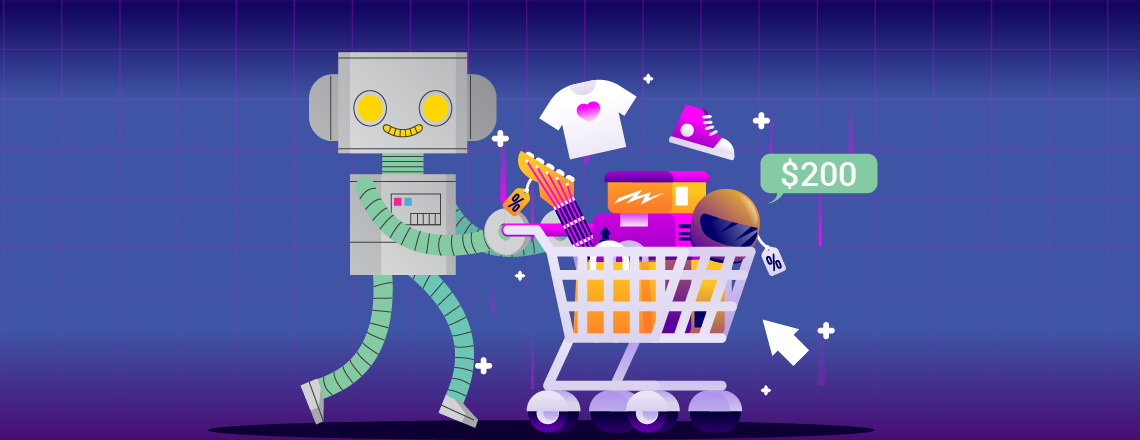
Retail chatbots are AI-powered retail chatbot solutions designed specially to amplify the shopping experience across digital and physical retail sector environments. These conversational AI chatbots use natural language processing (NLP) and machine learning algorithms to recognize customer inquiries, provide instant responses, and guide buyers through their purchasing journey.
Unlike basic or rule-based chatbots, modern retail bots integrate with CRM, inventory, and E-commerce chatbot systems, making them valuable for both customer support and retail sales. These types of chatbots for retail allow businesses to automate routine tasks, help customers efficiently, and improve operational workflow.
Benefits of Retail Chatbots for Sales, Customer Experience & Efficiency
Retail chatbots boost retail sales, enhance customer experience, and reduce costs by providing 24/7 customer support, personalized recommendations, and abandoned cart recovery. These retail chatbot examples highlight how chatbots provide instant assistance and improve overall retail experience.
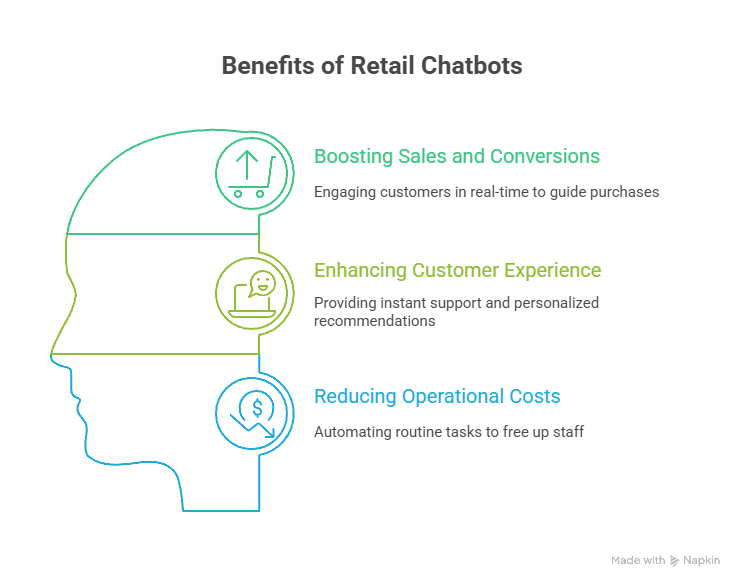
Boosting Sales & Conversions
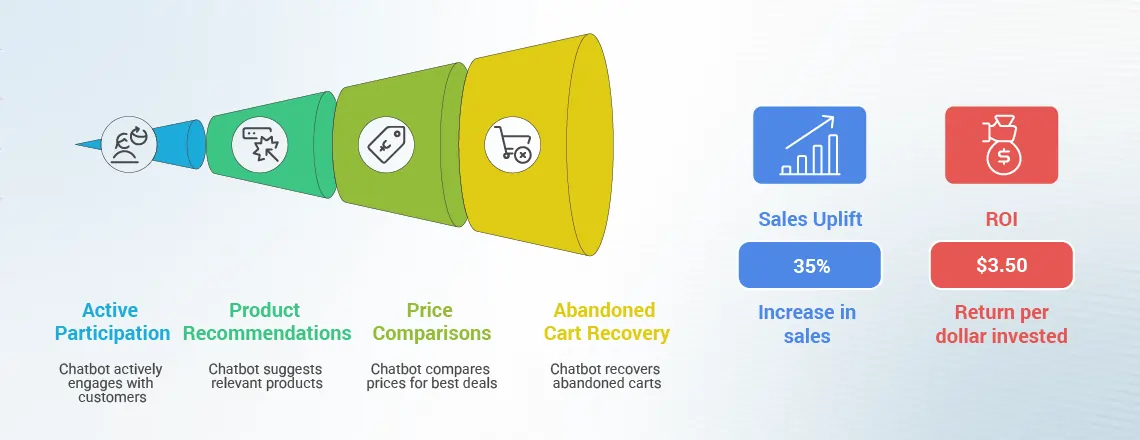
Retail chatbots are proven revenue generators. Businesses report up to 35% uplift in retail sales conversion rates and an average ROI of $3.50 for every $1 invested in AI-powered retail chatbot solutions within 12-18 months.
These chatbots for retail businesses flourish at guiding customers through the sales funnel by:
- Active Participation: Striking up conversations with website visitors who show buying intent only.
- Real-time Product Recommendations: Recommending equivalent items based on browsing history and preferences.
- Direct Price Comparisons: Guiding customers to make informed purchasing decisions quickly.
- Abandoned Cart Recovery: Reconnecting customers who leave items in their shopping carts.
This real-time engagement reduces obstacles, resulting in higher conversion rates and increased average order values (AOV). Boost conversions like Burberry & Sephora with Chatboq’s best retail chatbot today
Enhancing Customer Experience
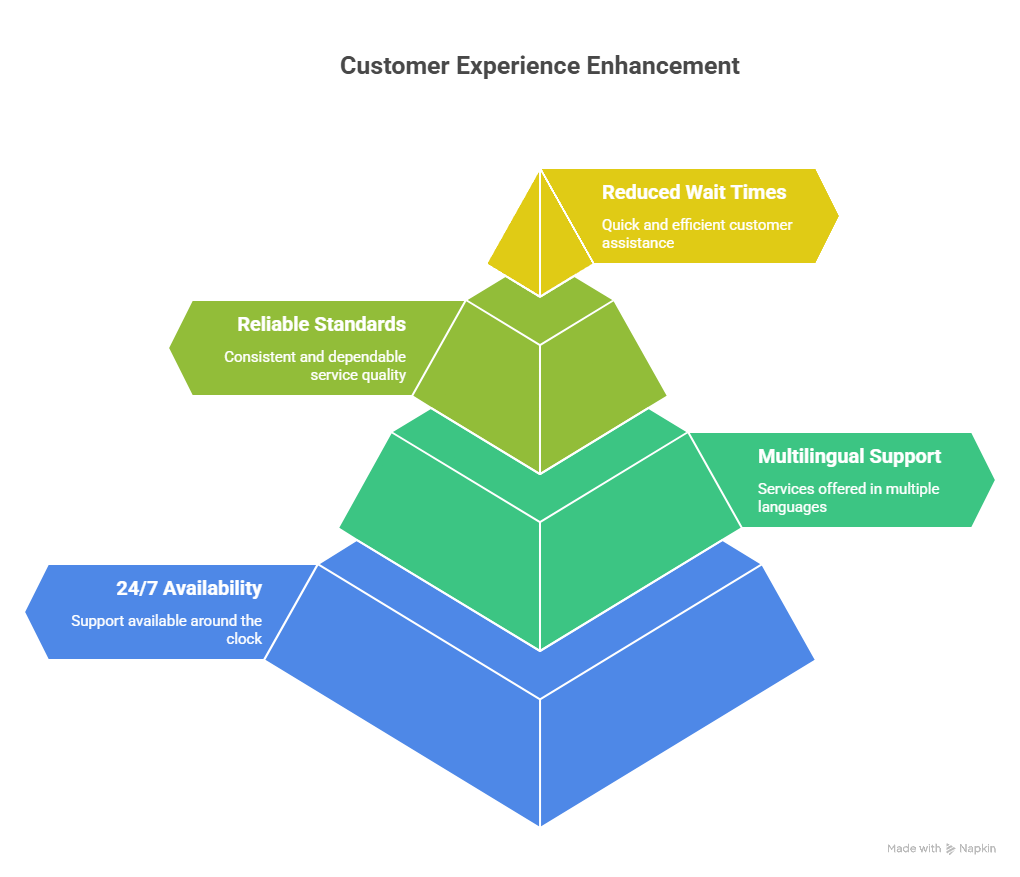
Current consumers demand seamless, systematic shopping experiences, and chatbots in retail deliver exactly that. Key customer experience improvements include:
- 24/7 Availability: Customers can get assistance and guidance at any time of the day.
- Multilingual Support: Breaking down language barriers for global customer bases using WhatsApp chatbot or Facebook Messenger integration.
- Reliable Service Standards: Ensuring every customer is kept as a high priority and given high-quality assistance.
- Reduced Wait Times: Eradicating wait times and speeding up response time.
Recent studies indicate that 73% of customers prefer chatbots for fast conversations with brands, which demonstrates their effectiveness in enhancing the digital retail customer experience.
Reducing Operational Costs
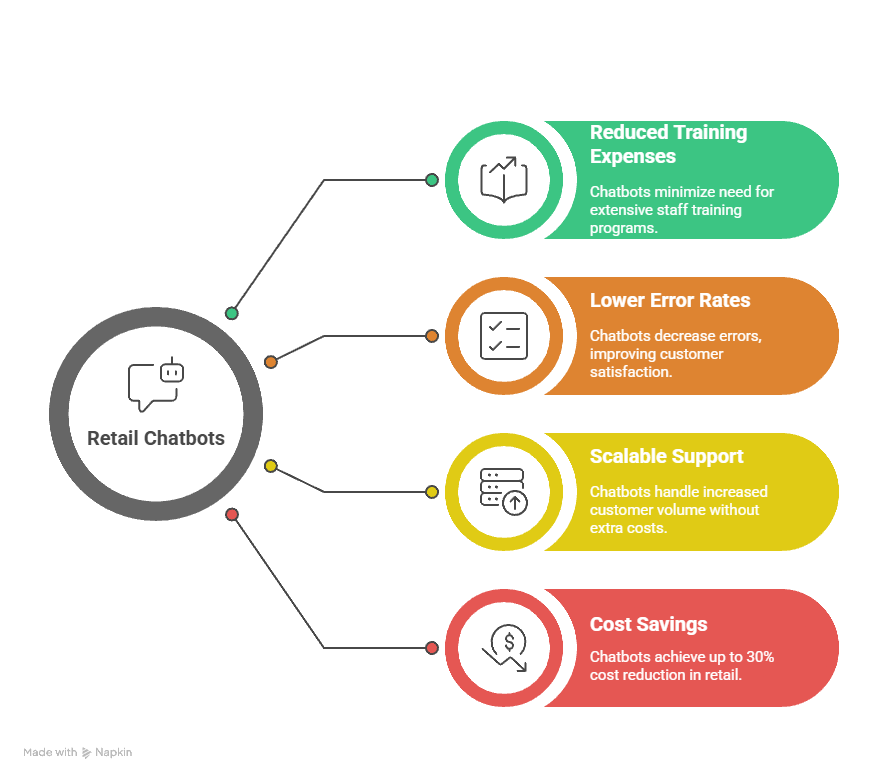
Retail bots can reduce customer service costs up to 30% while maintaining quality. Cost savings come from:
- Reduce Training Expenses: AI chatbots don’t require ongoing training like human agents.
- Lower Error Rates: Decreasing costly mistakes in order processing and while writing customer information.
- Scalable Support: Organizing increased customer volumes without additional cost using chatbots provides instant responses.
Use Case Examples of Retail Chatbots (Enhanced with Entities)
Retail businesses gain tons of benefits from using retail chatbot solutions to increase customer satisfaction and retail sales. Now let’s look at the use cases in retail:
Product Recommendations
Retail chatbots are used as virtual shopping assistants by analyzing customer inquiries, purchase history, and browsing activity to suggest related products. According to reports by Salesforce, 57% of customers are willing to share personal information in return for offers and discounts. This not only enhances the retail experience but also boosts retail sales.
A fashion retailer’s AI-powered retail chatbot might recommend matching items based on recent purchases, improving both customer satisfaction and revenue. These personalized shopping assistants use advanced algorithms to:
- Analyze customer data and preferences
- Recommend trending products in their specific category
- Give preference on size and fit of clothes
- Provide styling advice and outfit coordination
Cart Recovery & Upselling
Abandoned carts are a significant issue for online retailers, with an average cart abandonment rate of 69.57%. AI-powered retail chatbots help automate abandoned cart recovery, one of the most impactful chatbot use cases in retail. When customers leave items in the cart, retail bots can:
- Send personalized reminder messages
- Use limited-time offers to drive customers to complete their orders
- Recommend related products to increase retail sales
- Provide proper solutions to specific concerns that might prevent purchase
Retailers have reported 15% cart recovery and significantly increased revenue using chatbots to provide instant assistance.
24/7 Customer Support
From return policies and store hours to shipping updates, retail chatbot platform ensures instant answers. This reduces cart abandonment while improving customer satisfaction scores (CSATs). Key support functions include:
- Responding to frequently asked questions using FAQ chatbots
- Providing store location and opening hours
- Informing about return and exchange policies
- Offering technical product assistance
Order Tracking & Post-Purchase Care
Post-purchase involvement is vital for customer retention, and AI agent powered retail chatbots excel here by:
- Providing real-time order status updates
- Real-time delivery notifications
- Offering easy returns and exchanges
- Gathering feedback for continuous improvement
This active engagement through chatbots help customers build long-term relationships and motivates repeat purchases.
Real-World Success Stories
Major retailers have gained remarkable results with chatbots implementation :
Burberry’s Luxury Experience
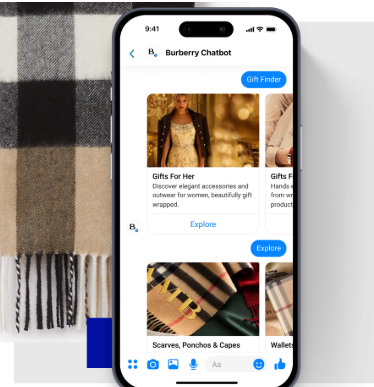
The luxury fashion brand increased online retail sales by up to 60% after implementing an AI-powered retail chatbot solution which provides personalized styling advice and product recommendations. This retail chatbot platform allows Burberry to help customers effortlessly and deliver personalized shopping experiences.
Sephora’s Beauty Assistance
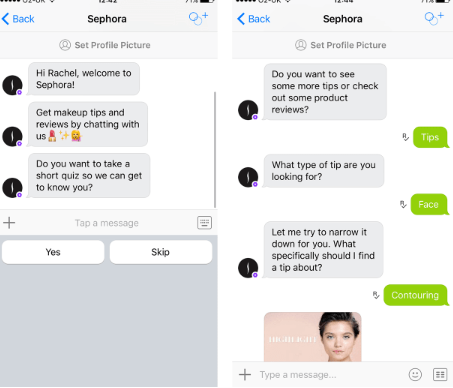
The brand’s best retail chatbot handles over 5 million conversions monthly, resulting in 11% higher conversion rates and double engagement compared to previous performance. Using ecommerce chatbots, Sephora can automate routine tasks while help customers with product recommendations and inquiries
H&M Style Advisor
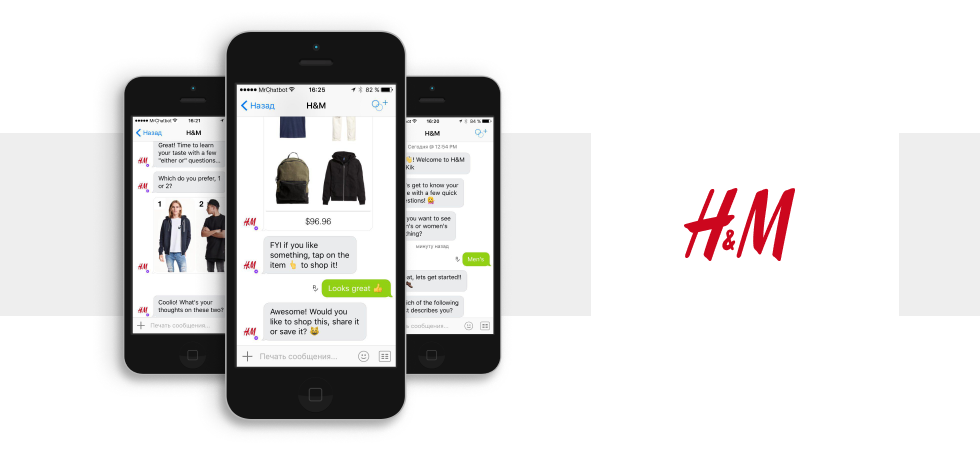
This brand’s retail chatbot’s assists customers in creating complete outfits, which leads to 30% higher average order values and improves retail experience. By using types of chatbots for retail, H&M ensures seamless support across channels and chatbots provide instant assistance for customer queries.
Best Practices to Implement Retail Chatbots for Maximum ROI
Successful retail chatbot Implementation requires a lot of planning and cautious execution. We can implement these essential tips :
- Personalization Is Very Important : Integrating your chatbots with CRM systems to access customer history and preferences. This ensures more relevant, personalized communications that feel more natural rather than casual.
- Effortless Omnichannel Connectivity : It ensures that your chatbots works regularly across all channels like website, mobile, social media and retail kiosks. All the customers must have exact experience nevertheless of how they interact with your brands.
- Human Handoff Capabilities : As we can assume that AI in retails industry applications might be powerful, complex issues still require human interactions. It’s more reliable and trustworthy. You could update response, add new features and also refine the AI based on customer feedback and behaviour patterns.
- Clear Value Proposition : Clearly highlight or enlist the benefits of the chatbots to the customers. Whether it has faster service, better recommendations or exclusive offers always clarify the purpose of the chatbots clearly.
- Prevent Implementation Errors : As we could examine and learn from others’ mistakes by making sure that proper training data, setting realistic expectations and also maintaining human oversight for complex queries.
Ready to implement retail chatbots like the top brands? Book a free demo with Chatboqai now
Measuring Chatbots ROI & Success Metric
Ensure maximum value from retail chatbots with these KPIs :
Financial Metrics
- Conversion rate improvement which can typically indicates from 15-35 % increase
- Average order value growth
- Lowering customer acquisition costs
- Customer lifetime value enchantment
Operational Metrics
- Reduce the response time from hours to minutes
- Reduces cost per interaction by as much as 30%
- Agent productivity improvement
- First-time resolutions rates
As most of the companies see starting benefits within 60-90 days and positive ROI within 8-14 months of implementation of the chatbots.
Future Of AI In Retail Chatbots
The future of retail automation looks incredibly promising with growing technologies which sets to revolutionize how chatbots functions :
- Generative AI Integration : Advanced language models will unlock more complicated, context-aware conversations that feel progressively human-like.
- Predictive Shopping : Future chatbots will forecast customer needs based on the activity, seasonal trends and personal preferences and also recommend products related to the needs before customers could realize them.
- Voice And Visual Recognition : Incorporating with voice assistants and image recognitions will enable customers to search for products using relevant photos on their devices or even use voice commands which makes shopping even more straightforward.
- Augmented Reality Integration : With the help of AR try-on guidance from the chatbots, customers can visualize the products in real-world settings before purchasing.
Conclusion: Boost Retail Sales & Enhance Customer Experience with AI Chatbots
Retail Chatbots have evolved from simple Q&A tools into advanced sales and customer engagement tools.They can offer businesses 24/7 support, humanized recommendations and also offer effortless shopping experiences that modern consumers demand.
Business adaptation AI chatbots gain competitive advantages in customer retention, revenue growth and operational efficiency. Ready to boost sales and delight customers in 2025? Try Chatboq AI Chatbots now!
Frequently Asked Questions (Retail Chatbots)
Retail chatbots are AI-powered virtual shopping assistants that use natural language processing (NLP) and conversational AI to simulate human-like conversation with customers on platforms like websites, apps and social media.
Retail chatbots enhance sales by offering instant customer support, providing personalized product recommendations, recovering abandoned carts and making the purchase process seamless and efficient.
The best retail chatbot platforms include Chatboq, IBM Watson Assistant, Hubspot Chatbots and Drift.
Most companies start seeing benefits within 60–90 days of implementation, with positive ROI typically achieved within 8–14 months. On average, businesses get $3.50 back for every $1 invested, though results vary based on implementation quality and use case complexity.
No. Retail chatbots handle repetitive tasks like FAQs, order tracking, and product recommendations, while complex issues are escalated to human agents. This balance combines efficiency with personal support.
Yes. Many modern retail chatbots are designed with multilingual capabilities, allowing businesses to serve customers across regions and expand globally.
They are secure when integrated with encrypted payment systems and PCI-compliant gateways, ensuring safe customer data and transactions.
E-commerce stores, fashion and electronics retailers, supermarkets, and D2C brands benefit the most, but any retail business with high customer interaction can see results.
Yes. They connect with popular tools like Shopify, WooCommerce, Magento, Salesforce, and HubSpot to centralize customer data and personalize experiences.
They may struggle with complex or highly specific questions, require ongoing training, and depend on strong integration to deliver the best results.

Daniel Wong
Technical Content Writer
My name is Daniel Wong, a Technical Content Writer from Singapore with a strong interest in AI-powered tools and digital automation. At ChatBoq AI, I focus on creating practical and easy-to-follow content that helps businesses and individuals understand how chatbots work and how to use them effectively.
I enjoy breaking down complex topics like natural language processing (NLP) and conversational AI into simple guides that anyone can follow. Each article is based on careful research, real-world examples, and testing to ensure accuracy and reliability.
Through ChatBoq AI, my goal is to provide readers with trustworthy insights, step-by-step tutorials, and the latest trends in chatbot technology.
✍️
Expert in AI & Chatbot Technology

Leave A Comment