
The Post-Sale Process: Key Things Retail Stores Should Know
In a competitive retail market, the post-sale process is where brands truly win or lose. The purchase is just the first step. How you support and engage customers afterward determines whether they become loyal advocates or vanish after checkout. Mastering after-sales service ensures your retail after-sales process drives customer loyalty in retail and long-term profitability. Studies by Bain & Company reveal that retaining just 5% more customers can increase profits by up to 95%.
📑 Table of Contents
- The Post-Sale Process: Key Things Retail Stores Should Know
- Key Feature
- What is the Post-Sale Process
- What Is the Post-Sale Process in Retail?
- Why Post-Sale Service Matters More Than You Think
- Key Benefits of an Effective Post-Sale Process
- Proven Post-Sale Strategies That Drive Retail Success
- How to Build a High-Quality After-Sales Framework
- Essential Post-Sale Tips for Retail Stores
- Common Post-Sale Mistakes and How to Avoid Them
- Conclusion: Turn Every Sale Into a Long-Term Relationship
- Frequently Asked Questions (FAQs)

Even top-performing stores risk losing buyers if they neglect post-purchase customer experience. A strong post-sales customer service strategy increases repeat customers, strengthens business-to-customer relationships, and supports online retail marketing initiatives. According to Fera, 70% of consumers read at least five reviews before purchasing, showing the impact of customer feedback and reviews on brand reputation management.
Key Feature
| Strengthens long-term customer loyalty Enhances brand reputation and trust Improves product and service quality Boosts repeat purchases and engagement Optimizes sales and support processes |
What is the Post-Sale Process

The post-sale process begins the moment a purchase is completed. It includes follow-ups, product guidance, support, and engagement that improve customer experience management and nurture long-term loyalty. A structured process ensures buyers feel valued and understood after every transaction.
Top U.S. retailers integrate post-sale communication across their sales team and customer support department, using automation and personal touches to sustain continuous customer engagement. As Philip Kotler explains in Marketing Insights from A to Z, effective post-sale care is essential for building customer loyalty and encouraging repeat purchase behavior.
Boost your retail after-sales process now with Chatboq to deliver smarter post-purchase support and maintain customer loyalty
What Is the Post-Sale Process in Retail?
The retail after-sales process refers to all steps retailers take to assist customers after a sale. This includes product assistance, returns, FAQs, follow-ups, and engagement efforts designed to improve post-purchase support and customer satisfaction.
Leading companies link post-sale communication with CRM systems, ensuring that every interaction enhances customer experience and builds long-term relationships. Using tools like ecommerce platforms, retailers can track buyer activity, personalize messages, and improve customer journey optimization, which strengthens business-to-customer relationships.
Why Post-Sale Service Matters More Than You Think

Effective after-sales service impacts both revenue and customer retention. A Bain & Company report shows that increasing customer retention in retail by 5% boosts profits between 25–95%, demonstrating why after-sales service matters. Customers now expect fast responses, personalized solutions, and attentive care.
A Microsoft study found that 90% of U.S. shoppers consider customer service excellence when making a purchase. Proper post-sale communication fosters customer trust in retail, strengthens brand advocacy, and drives long-term growth.
Enhance your after-sales strategy for retail today with Chatboq to retain more loyal customers.
Key Benefits of an Effective Post-Sale Process

1. Strengthening Customer Relationships
A strong post-sales customer service ensures buyers feel valued even after completing a purchase. Timely follow-ups, helpful guidance, and personalized communication foster business-to-customer relationships. Loyal customers are more likely to repeat purchase behavior, recommend the brand, and engage in continuous customer engagement.
2. Enhancing Brand Reputation
Effective post-sale communication positively impacts brand reputation management. Satisfied customers leave positive online shop ratings, reviews, and testimonials, creating social proof in ecommerce. A trusted reputation attracts new customers without extra marketing costs.
3. Refining Products and Services Through Feedback
Collecting customer feedback and reviews allows retailers to identify product flaws, gaps in service, and improvement opportunities. This data enables better post-purchase support, product return prevention, and refinement of offerings, which improves customer satisfaction and overall customer experience.
4. Improving Sales Processes and Operational Efficiency
Monitoring post-sale interactions helps identify bottlenecks, process inefficiencies, and training gaps in the sales team or customer support department. Optimizing these processes leads to sales process optimization, faster resolution times, and smoother customer experience management.
5. Boosting Customer Loyalty in Retail
A structured retail after-sales process converts one-time buyers into loyal customers. Initiatives like loyalty programs, personalized communication, and proactive assistance create brand advocacy. Research by Bain & Company shows that increasing customer retention in retail significantly increases profitability.
6. Encouraging Repeat Purchase Behavior
Retailers who invest in an after-sales strategy for retail see higher rates of repeat customers. Providing exceptional post-purchase customer experience motivates buyers to return and purchase more products, reducing the need for heavy spending on online retail marketing.
7. Building Customer Trust in Retail
By addressing complaints promptly, offering technical support and product assistance, and maintaining transparent post-sale communication, brands establish trust. Customers are more confident making larger purchases when they know post-sale support is reliable.
8. Gaining Competitive Advantage
Brands that excel in after-sales improvement strategies differentiate themselves in a crowded retail market. Customers prefer stores that offer proactive support, continuous engagement, and reliable post-sale customer service, giving these businesses a clear edge over competitors.
These benefits strengthen customer experience management, ensuring long-term customer loyalty in retail and post-sale communication effectiveness.
Proven Post-Sale Strategies That Drive Retail Success

1. Implement Loyalty Programs and Exclusive Promotions
Rewarding loyal customers with points, discounts, or early access to new products strengthens customer loyalty in retail. A well-designed loyalty program strategy encourages repeat purchase behavior and increases post-purchase customer experience. Personalized offers make customers feel valued, boosting brand advocacy.
2. Provide Technical Support and Product Assistance
Offering reliable after-sales customer service ensures that buyers get help when they need it. This includes setup guidance, troubleshooting, and clear instructions. Quick and effective support builds customer trust in retail, reduces product return prevention, and improves customer satisfaction.
3. Organize Events, Workshops, and Personalized Content
Creating interactive experiences, such as in-store events, webinars, or tutorial workshops, enhances continuous customer engagement. Sharing personalized content like guides or recommendations strengthens retail customer relationship management and positions the brand as a trusted authority in the industry.
4. Collect Customer Feedback and Reviews
Encourage buyers to leave feedback and online reviews, as this informs post-sale communication and improves future service. Customer feedback and reviews allow retailers to refine products, enhance post-purchase support, and gain social proof in ecommerce, influencing potential new customers.
5. Maintain Ongoing Communication and Support
Regular follow-ups via email, SMS, or app notifications help maintain engagement and post-sales customer service. Personalized check-ins, updates on new products, and helpful tips keep the brand top-of-mind while nurturing business-to-customer relationships.
6. Segment VIP Customers and Reward Loyalty
Identify high-value or frequent buyers using purchase history and engagement metrics. Offering exclusive benefits or early access to new releases encourages VIP customers to stay loyal. This drives repeat purchase behavior, strengthens customer experience improvement, and maximizes lifetime value.
7. Analyze Traffic Sources and Customer Behavior
Monitor where your customers come from and what drives engagement using tools from ecommerce platforms. Understanding behavior patterns helps optimize marketing strategies, improve sales process optimization, and ensure post-purchase support aligns with customer expectations.
8. Personalize Every Touchpoint
Tailoring communication and services for each customer improves the post-sale process. Personalized emails, recommendations, or thank-you messages make shoppers feel valued, increasing satisfaction and reinforcing customer trust in retail.
9. Proactively Handle Complaints and Returns
Quickly resolving issues with returns, refunds, or complaints prevents negative experiences from damaging brand reputation management. Proactive post-sale communication demonstrates commitment to customer service excellence and encourages repeat customers.
10. Use Data to Continuously Improve
Track KPIs like Net Promoter Score(NPS), Customer Satisfaction Score(CSAT), and repeat purchase rates to refine after-sales strategy for retail. Insights from customer feedback and reviews enable after-sales improvement strategies and help businesses maintain high standards in post-sales customer service.
How to Build a High-Quality After-Sales Framework
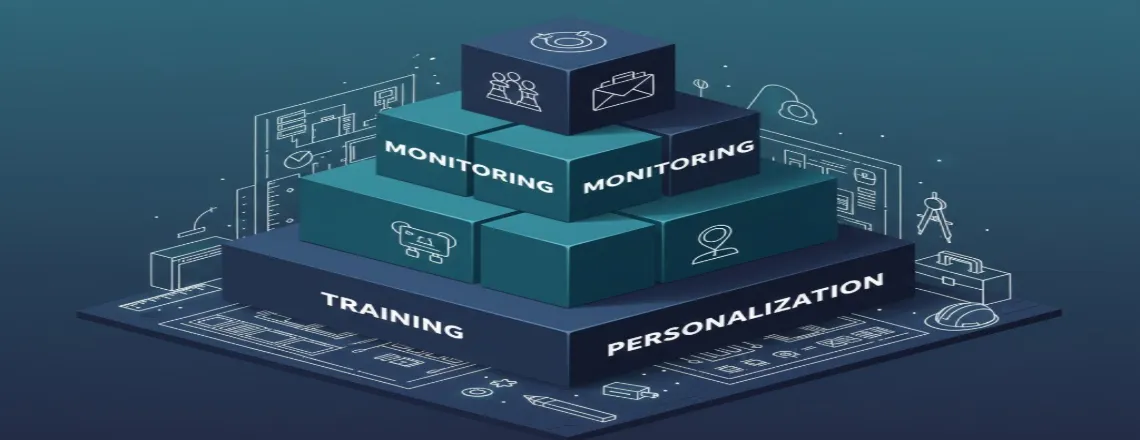
A robust after-sales strategy for retail begins by training the customer support team to handle inquiries efficiently and improve post-sale engagement. Teams must resolve issues quickly and improve post-sale communication.
Personalize every interaction using data from E-commerce platforms. Monitor KPIs like repeat purchase behavior, satisfaction scores, and response times. Use dashboards to assess trends and implement after-sales improvement strategies, ensuring consistent post-sales customer service and higher customer trust in retail.
Essential Post-Sale Tips for Retail Stores

To retain customers after purchase, identify VIP clients and reward loyalty with exclusive offers. Track what drives repeat customers, segment top traffic sources, and maintain post-sale communication. Applying these after-sales tips for retailers ensures a strong post-sales customer service strategy that boosts engagement, loyalty, and repeat purchase behavior.
Common Post-Sale Mistakes and How to Avoid Them
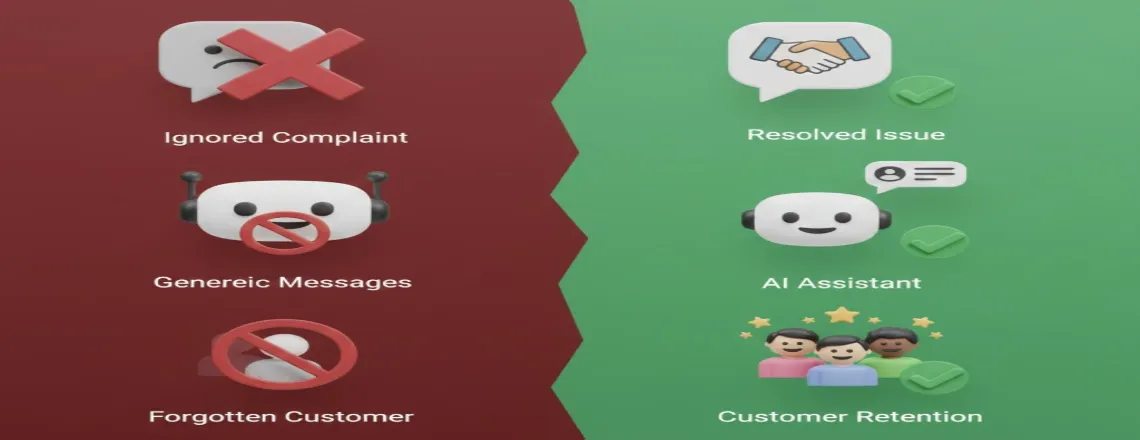
Many retailers fail by ignoring complaints or sending generic messages. These missteps harm customer trust in retail and weaken brand advocacy. Addressing complaints promptly, personalizing responses, and following best post-sale practices for retailers ensures consistent post-sale customer service and strengthens customer loyalty in retail.
Conclusion: Turn Every Sale Into a Long-Term Relationship
Every transaction starts a relationship, not just revenue. A strong post-sale process improves customer loyalty in retail, ensures customer satisfaction, and turns buyers into lifelong advocates. Using after-sales improvement strategies and structured post-sales customer service, retailers can build business-to-customer relationships that drive trust, advocacy, and repeat purchase behavior. Supercharge your retail after-sales process today with Chatboq.
Frequently Asked Questions (FAQs)
The post-sale process involves all activities after a customer completes a purchase, including post-purchase customer experience, follow-ups, support, and engagement to boost customer loyalty in retail.
After-sales service matters because it increases customer retention in retail, improves satisfaction, and strengthens brand reputation management while encouraging repeat purchase behavior.
Retailers can enhance post-sale communication through timely emails, personalized messages, loyalty program updates, and proactive follow-ups, ensuring customer experience improvement.
The benefits of the post-sales process include stronger customer relationships, enhanced brand advocacy, product return prevention, improved sales process optimization, and higher repeat customer rates.
Customer feedback and reviews help retailers refine products, offer better post-purchase support, and strengthen social proof in ecommerce, directly impacting brand reputation management.
Best practices include loyalty programs, VIP customer rewards, personalized follow-ups, technical support, events, workshops, and collecting reviews to ensure post-sales customer service excellence.
Retailers retain customers by implementing after-sales strategy for retail, personalizing interactions, maintaining continuous customer engagement, resolving complaints quickly, and tracking repeat purchase behavior.
Common mistakes include ignoring complaints, sending generic messages, failing to follow up, and neglecting post-sale communication, which can harm customer trust in retail.
Loyalty program strategies encourage repeat purchases, enhance customer experience management, and increase brand advocacy, making them an essential part of the retail after-sales process.
Key metrics include repeat purchase rates, Net Promoter Score (NPS), Customer Satisfaction Score (CSAT), engagement levels, and post-sale communication effectiveness to optimize the post-sale process for retail.

Daniel Wong
Technical Content Writer
My name is Daniel Wong, a Technical Content Writer from Singapore with a strong interest in AI-powered tools and digital automation. At ChatBoq AI, I focus on creating practical and easy-to-follow content that helps businesses and individuals understand how chatbots work and how to use them effectively.
I enjoy breaking down complex topics like natural language processing (NLP) and conversational AI into simple guides that anyone can follow. Each article is based on careful research, real-world examples, and testing to ensure accuracy and reliability.
Through ChatBoq AI, my goal is to provide readers with trustworthy insights, step-by-step tutorials, and the latest trends in chatbot technology.
✍️
Expert in AI & Chatbot Technology

Leave A Comment