
A Quick Guide to Omnichannel Lead Nurturing
In today’s fragmented digital landscape, potential customers aren’t confined to a single platform. They might discover your brand on Instagram, research your product or service on your website, read your email newsletter during their commute, and finally make a purchase decision after seeing retargeting ads on LinkedIn. This complex, multi-touchpoint journey is precisely why omnichannel lead nurturing has become essential for modern businesses.
📑 Table of Contents
- A Quick Guide to Omnichannel Lead Nurturing
- Understanding Omnichannel Lead Nurturing
- Why Omnichannel Lead Nurturing Matters
- Core Components of Successful Omnichannel Lead Generation
- Building Your Omnichannel Lead Nurturing Strategy
- Channel-Specific Best Practices for Lead Nurturing
- Measuring Omnichannel Lead Nurturing Success
- Common Challenges and Solutions
- The Future of Omnichannel Lead Nurturing
- Conclusion
- Frequently Asked Questions (FAQs)

Omnichannel lead nurturing is the strategic practice of engaging and guiding prospects through coordinated, personalized experiences across multiple channels and platforms. Unlike traditional single-channel approaches, this methodology recognizes that today’s buyers interact with brands through various touchpoints and expect a seamless, consistent experience regardless of where they engage.
Understanding Omnichannel Lead Nurturing
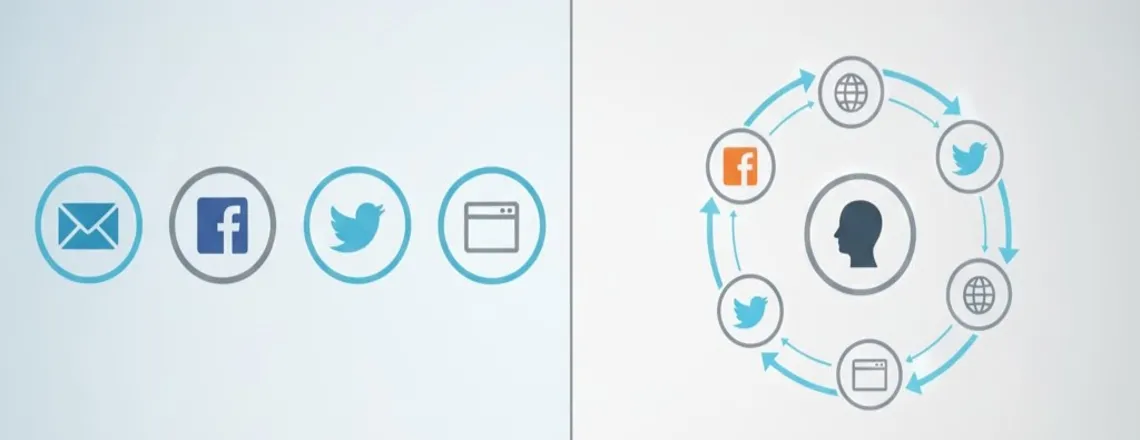
At its core, an effective omnichannel lead nurturing strategy goes beyond simply being present on multiple platforms. It’s about creating an integrated ecosystem where every channel works in harmony to nurture leads toward conversion. This includes leveraging chatbots to deliver instant, personalized interactions that seamlessly connect with data from other touchpoints. When a lead engages with your brand, whether through a chatbot, email, social media, or your website, that information informs and enhances their experience on every other channel they encounter.
The distinction between multichannel and omnichannel approaches is crucial. Multichannel lead nurturing means you’re present and active across various platforms, but these channels often operate in silos with separate strategies, messages, and goals. Adopting an omnichannel approach, however, breaks down these barriers to create a unified experience where channels complement and reinforce each other.
Consider this scenario: A prospect downloads a whitepaper from your website. In a multichannel approach, they might receive a generic follow-up email thanking them for the download. In an omnichannel approach, the system recognizes this download, adjusts their profile, and coordinates a response across channels. They receive a personalized email with relevant content, see retargeted social media ads addressing the whitepaper’s topic, and if they return to your website, they’re greeted with content recommendations based on their interests. When your sales team reaches out, they’re already aware of the prospect’s engagement history.
Why Omnichannel Lead Nurturing Matters
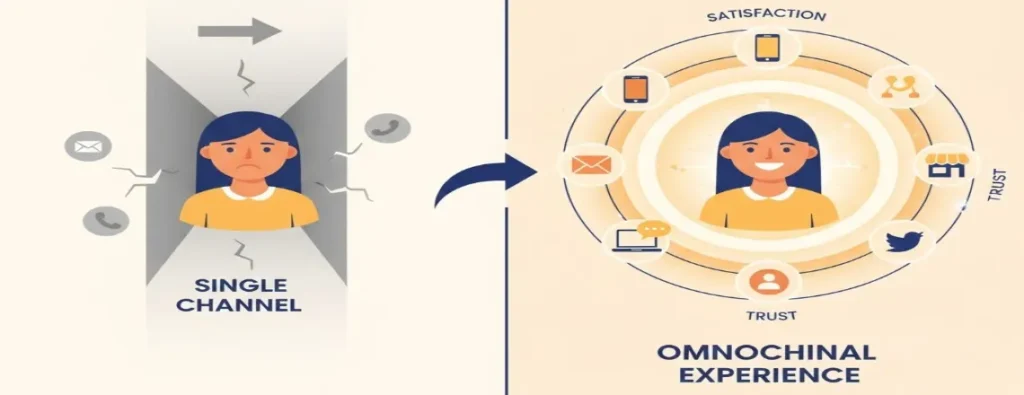
The business case for adopting omnichannel lead nurturing strategies is compelling. Studies consistently show that companies with strong omnichannel engagement strategies retain significantly more customers and see higher purchase frequencies compared to those with weak omnichannel approaches.
Modern buyers have fundamentally changed how they research and make purchasing decisions. The average B2B buyer might interact with a brand through 10 or more touchpoints before making a decision. They expect personalized, relevant experiences and become frustrated when companies treat them as strangers on different platforms.
From a practical standpoint, omnichannel lead generation for B2B offers several critical advantages:
- Improves customer experience: Eliminates friction and inconsistency. When prospects receive cohesive messaging across channels, they build trust in your brand and feel more confident in their decision-making process.
- Generates better data and insights: By tracking prospects across various channels, you gain a comprehensive view of their behaviors, preferences, and pain points. This holistic perspective enables more accurate lead scoring, better segmentation, and more effective personalization.
- Increases conversion rates and shortens the sales cycle: When prospects receive timely, relevant information through their preferred channels at the right time, they move through the buyer’s journey more quickly and with greater confidence.
Core Components of Successful Omnichannel Lead Generation
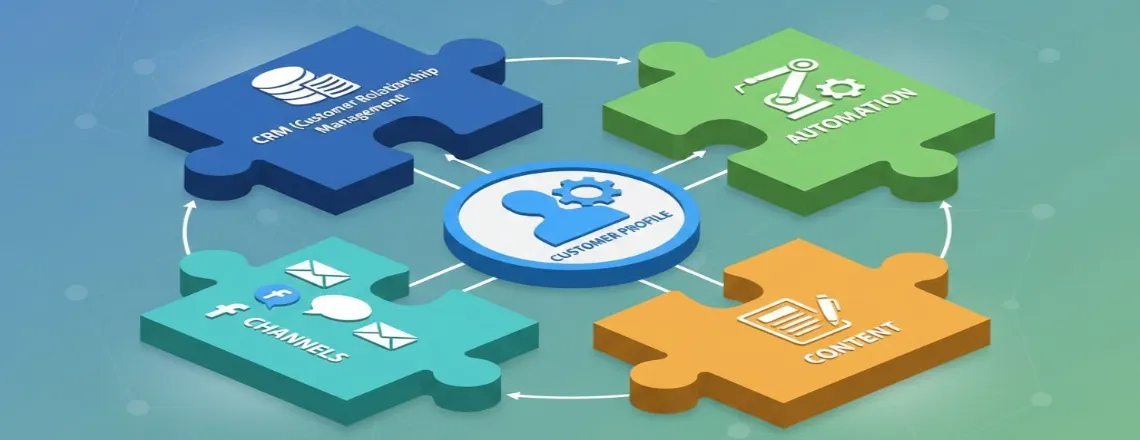
Building a successful lead nurturing program requires several foundational elements working in concert.
Unified Customer Data Platform
The backbone of any omnichannel strategy is a centralized system that collects, organizes, and makes customer data accessible across all channels. This customer data platform (CDP) or integrated CRM creates a single source of truth about each lead. It tracks every interaction, from email opens and website visits to social media engagement and offline events.
This unified data repository enables your marketing automation, sales team, and customer service representatives to access the same information and provide consistent experiences. Without this foundation, you’re essentially running multiple disconnected campaigns rather than an orchestrated omnichannel lead nurturing strategy.
Channel Selection and Integration
Not every channel will be relevant for your specific audience. Effective lead generation starts with understanding where your ideal customers spend their time and how they prefer to consume information.
Typical channel mixes include:
- B2B companies: Email, LinkedIn, website, webinars, industry publications, and targeted display advertising
- B2C brands: Instagram, Facebook, SMS, email, in-app notifications, and physical retail locations
The key is not just being present on these channels but ensuring they’re technically integrated so data flows seamlessly between them. Your email marketing platform should communicate with your CRM, which connects to your advertising platforms, which ties back to your website analytics.
Personalization and Segmentation
Generic, one-size-fits-all messaging fails in an omnichannel environment. Prospects expect brands to remember their previous interactions and provide content based on their specific interests and stage in their buying journey.
Effective segmentation goes beyond basic demographics. It incorporates behavioral data (which content they’ve consumed, which pages they’ve visited), firmographic information (company size, industry, role), and engagement patterns (how frequently they interact, which channels they prefer).
With proper segmentation, you can deliver highly targeted messages. A prospect who downloaded an introductory guide receives different follow-up content than one who’s been comparing your pricing with competitors for weeks.
Content Strategy Across Channels
Your content strategy must account for how different formats and messages work across various channels. A detailed case study might work well as a downloadable PDF on your website, but key insights from that same case study could be reformatted as a LinkedIn post, an infographic shared on social media, key statistics in an email newsletter, and talking points for your sales and marketing teams.
This approach ensures you’re maximizing the value of each piece of content for lead generation while maintaining consistency across channels. The core message remains the same, but the format and depth adapt to each platform’s strengths and audience expectations.
Marketing Automation and Orchestration
Managing omnichannel campaigns manually is essentially impossible at scale. Marketing automation platforms enable you to create sophisticated workflows that trigger specific actions based on lead behavior across channels.
For example, if a prospect opens three consecutive emails about a particular product feature but hasn’t visited your pricing page, the system might automatically suppress promotional emails and instead trigger a personalized email from a sales representative offering to discuss their specific needs.
Building Your Omnichannel Lead Nurturing Strategy
Implementing effective lead nurturing requires a systematic approach. Here’s a framework to guide your implementation.
Step 1: Map the Customer Journey
Start by documenting the typical path prospects take from initial awareness to becoming customers. Identify key decision points, common questions at every stage, and where prospects typically interact with your brand.
This journey map should account for both digital and offline touchpoints. You might discover that prospects often attend webinars early in their research, spend significant time comparing solutions on your website during the consideration phase, and need direct sales conversations before making final decisions.
Step 2: Define Channel Roles
Assign specific roles to each channel based on its strengths and where it fits in the sales funnel. Email might excel at delivering in-depth content and nurturing mid-funnel leads. Social media could be ideal for awareness and engagement. Your website serves as the central hub where prospects can access any resource they need.
Understanding these roles prevents channel conflicts and ensures each platform reinforces rather than contradicts the others.
Step 3: Create Consistent Messaging Frameworks
Develop core message tracks that can be adapted across channels while maintaining consistency. If your primary value proposition centers on helping companies save time through automation, this theme should appear throughout all channels, adapted to each platform’s format and audience expectations.
Create style guides and messaging templates that ensure brand consistency even as you personalize content for different segments and channels for lead generation.
Step 4: Implement Progressive Profiling
Rather than overwhelming prospects with lengthy forms upfront, use progressive profiling to gradually build comprehensive customer profiles over time. Each interaction adds new data points, allowing you to continuously refine personalization without creating friction.
If someone downloads their third piece of content, you might already have their name, email, and company. This time, you could ask about their specific challenges or timeline for making a decision.
Step 5: Establish Lead Scoring Models
Develop scoring systems that assign points based on behaviors across all channels. A webinar attendance might be worth more points than an email open, while a pricing page visit from a decision-maker at a target company might trigger immediate sales outreach.
This scoring should incorporate both explicit data (information prospects provide) and implicit data (behavioral signals across channels) to identify the most engaged, qualified leads.
Step 6: Create Closed-Loop Reporting
Ensure feedback flows from sales back to marketing. When leads convert or are disqualified, this information should inform your lead nurturing strategies and help you refine targeting, scoring, and messaging.
This closed loop enables continuous optimization. You might discover that leads based on certain behaviors convert at higher rates, prompting you to adjust your nurturing efforts accordingly.
Channel-Specific Best Practices for Lead Nurturing
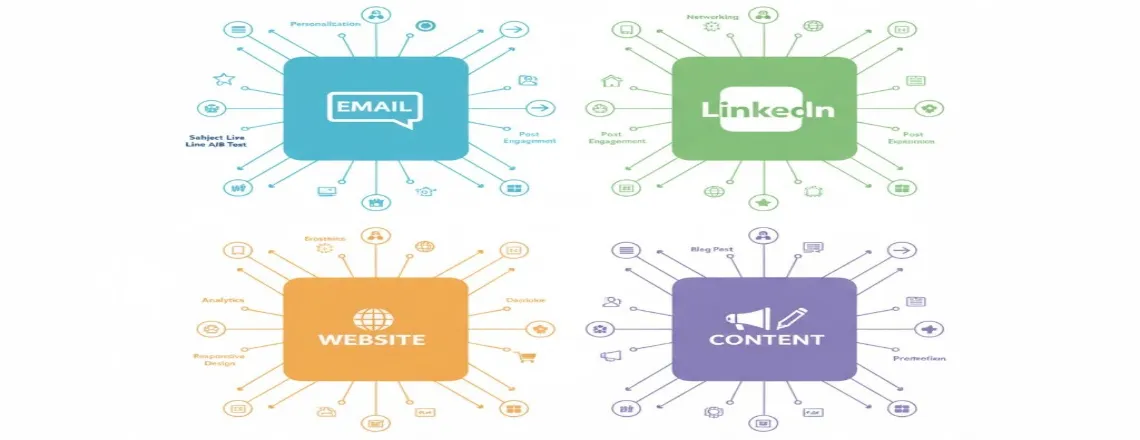
While maintaining overall consistency, each channel requires tailored approaches to maximize effectiveness.
Email Nurturing
Email remains one of the most effective channels for lead nurturing, offering direct access to prospects’ inboxes with the ability to deliver personalized, content-rich messages.
Develop an email sequence that adapts based on engagement. If a prospect consistently opens emails about a particular topic, shift subsequent emails to explore that subject more deeply. If engagement drops, try different content types or adjust your sending frequency.
Use behavioral triggers to ensure relevance. When someone visits your pricing page, follow up with a case study showing ROI. When they download a comparison guide, send additional differentiation content.
Social Media Engagement
Social platforms excel at building relationships and maintaining top-of-mind awareness. Share valuable content consistently, engage with prospects’ posts, and leverage social listening to identify opportunities for personalized outreach.
LinkedIn, in particular, offers powerful capabilities for B2B lead generation. Sales Navigator enables your team to track prospect activity, engage with their content, and share relevant resources at optimal moments.
Paid social advertising complements organic efforts by enabling precise targeting based on demographics, interests, and behaviors. Retargeting ensures your brand remains visible to website visitors as they browse social platforms.
Website Personalization
Your website shouldn’t be a static experience. Use personalization technology to adapt content, calls-to-action, and offers based on what you know about each visitor.
Returning visitors from a specific industry might see case studies from similar companies prominently featured. Prospects who’ve engaged with content about a particular product feature could see that solution highlighted on your landing page.
Implement chat functionality that can provide immediate assistance, answer questions, and guide prospects to relevant resources based on their browsing behavior and profile.
Content Marketing
Develop content for lead nurturing that addresses specific questions and concerns at every stage of the funnel. Awareness-stage content might focus on industry trends and challenges. Consideration-stage content could offer solution comparisons and implementation guides. Decision-stage content provides proof points like case studies, testimonials, and ROI calculators.
Ensure this content is easily discoverable across channels. Promote blog posts through email and social media, repurpose webinar content into multiple formats, and create content hubs on your website that organize resources by topic and buyer stage.
Retargeting and Paid Advertising
Paid channels enable you to re-engage prospects who’ve shown interest but haven’t converted. Retargeting campaigns can display specific messages based on which pages someone visited or which content they consumed.
Segment your retargeting audiences carefully. Someone who visited your homepage once might see general awareness content, while someone who spent 10 minutes on your product pages but didn’t request a demo might see customer success stories and special offers.
Measuring Omnichannel Lead Nurturing Success
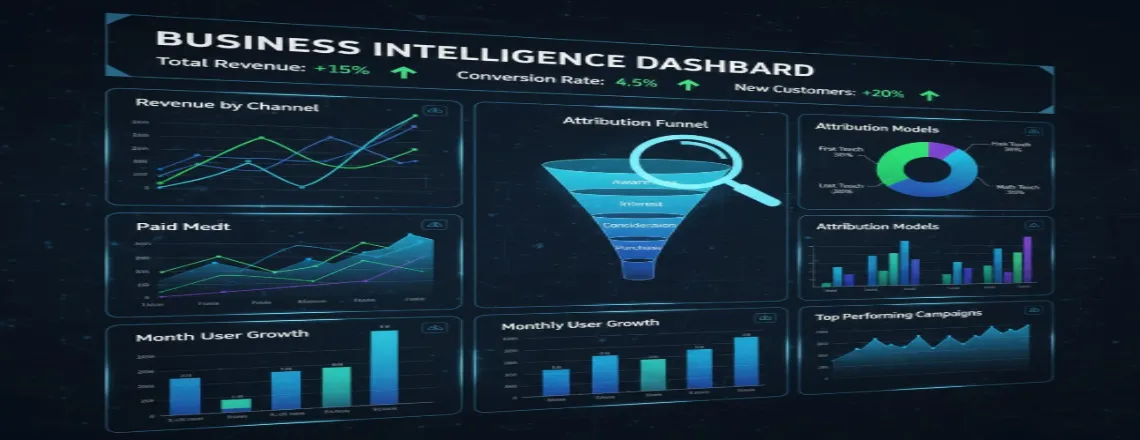
Effective measurement requires looking beyond channel-specific metrics to understand the cumulative impact of your omnichannel nurturing efforts.
Key Performance Indicators
Track metrics at multiple levels. Channel-level metrics (email open rates, social engagement, website traffic) show the health of individual touchpoints. Journey-level metrics (conversion rates by source, time to conversion, touchpoints to conversion) reveal how channels work together.
Focus particularly on:
- Lead Velocity Rate: The speed at which qualified leads enter your pipeline, indicating the health and effectiveness of your nurturing program.
- Multi-Touch Attribution: Understanding which channel combinations drive conversions helps you optimize budget allocation and strategy.
- Engagement Scores: Composite metrics that account for activity across all channels provide better qualification indicators than single-channel engagement.
- Sales Cycle Length: Effective nurturing should help prospects move through the sales funnel more efficiently.
- Customer Lifetime Value by Acquisition Channel: Understanding which nurturing paths produce the most valuable customers informs long-term lead generation strategy.
Attribution Modeling
Single-touch attribution (first-touch or last-touch) fails to capture the complexity of omnichannel journeys. Implement multi-touch attribution models that assign credit to various touchpoints based on their influence on conversion.
Time-decay models give more weight to recent interactions, position-based models emphasize first and last touches while acknowledging middle interactions, and algorithmic models use machine learning to determine each touchpoint’s actual contribution.
Common Challenges and Solutions
Implementing omnichannel lead nurturing isn’t without obstacles. Understanding common challenges helps you prepare and respond effectively.
Data Siloes
Many organizations struggle with disconnected systems that prevent comprehensive customer views. Legacy technology, departmental divisions, and acquisition-related integration issues often create these siloes.
Address this through phased integration projects that connect systems progressively, starting with the highest-impact connections. Consider modern customer data platforms specifically designed to unify data from disparate sources.
Resource Constraints
Omnichannel programs require coordination across teams, channels, and technologies. Smaller organizations might feel overwhelmed by the complexity.
Start focused rather than trying to be everywhere immediately. Perfect the integration of two or three key channels before expanding. Leverage automation to multiply team effectiveness, and consider specialized agencies or consultants for skills or capacity gaps.
Maintaining Consistency
As you scale across channels, ensuring consistent messaging and brand experience becomes increasingly challenging.
Develop comprehensive brand guidelines, messaging frameworks, and content templates that make consistency the path of least resistance. Implement approval workflows for cross-channel lead nurturing campaigns and conduct regular audits to identify inconsistencies.
Privacy and Compliance
Tracking prospects across channels raises important privacy considerations. Regulations like GDPR and CCPA impose specific requirements for data collection, storage, and usage.
Build privacy considerations into your strategy from the beginning. Be transparent about data collection, provide clear opt-out mechanisms, implement proper consent management, and regularly audit your practices for compliance.
The Future of Omnichannel Lead Nurturing

The landscape continues evolving rapidly, with several trends shaping the future of lead nurturing in the digital age:
- Artificial intelligence and machine learning: Enabling unprecedented personalization at scale. AI can analyze vast amounts of behavioral data to predict which content and channels will resonate with each prospect, optimize send times, and even generate personalized copy.
- Conversational marketing: Chatbots, voice assistants, and messaging platforms are creating new opportunities for real-time engagement that integrate with broader nurturing strategies.
- Predictive analytics: Helps identify which leads are ready to buy, which prospects might be at risk of disengagement, and which actions will most effectively guide leads toward conversion.
- Blurring B2B and B2C lines: Business buyers increasingly expect the sophisticated, personalized experiences they receive as consumers, raising the bar for B2B lead nurturing.
Conclusion
This guide to omnichannel lead nurturing represents a fundamental shift in how organizations engage with potential customers. In an era where buyers control their journey and interact with brands across numerous touchpoints, businesses must evolve beyond channel-specific tactics to create truly integrated experiences that nurture relationships at every stage and convert into paying customers.
The companies that excel at omnichannel nurturing share common characteristics: they maintain comprehensive customer data, ensure seamless integration across channels, deliver the right message at the right time at scale, and continuously optimize based on performance data. While implementing an effective omnichannel lead generation strategy requires investment in technology like lead nurturing software, processes, and skills, the returns justify the effort, especially when you use lead nurturing tools to guide prospects through each stage of their buying journey.
Frequently Asked Questions (FAQs)
Multichannel means you’re active on multiple platforms, but they operate independently. Omnichannel creates an integrated experience where all channels share data and work together. When a prospect downloads content, your email, social ads, and sales team all coordinate their follow-up.
Start with 3–4 core channels where your audience is most active. For B2B, that’s typically email, website, LinkedIn, and webinars. Focus on quality integration over quantity. Expand once you’ve mastered the basics.
At a minimum, you need a CRM and a marketing automation platform that integrate well. A customer data platform helps unify all touchpoints. Don’t let tech limitations stop you—start by better connecting your existing tools.
Quick wins like improved email engagement may appear in 4–8 weeks. Full impact on pipeline and revenue usually takes 3–6 months. For B2B companies with longer sales cycles, expect 6–12 months for comprehensive results.
Track metrics like increased conversion rates, shorter sales cycles, and higher deal sizes. Use multi-touch attribution to understand how channels work together. Compare revenue improvements against your investment in tools and content.
The biggest mistake is being present on multiple channels without integrating them. Others include overwhelming prospects with too many touchpoints, failing to personalize based on known data, and trying to be everywhere instead of focusing on where your audience engages most.
Start with 2–3 channels where your customers are most active. Use affordable tools—many CRMs offer free tiers with basic integration. Focus on high-quality content that can be repurposed across platforms. Use automation to scale without additional staff.
Develop a core messaging framework with key themes and a consistent brand voice. Adapt the format for each platform while keeping the underlying message the same. A detailed email case study becomes a short testimonial on social media—but the core story remains consistent.

Daniel Wong
Technical Content Writer
My name is Daniel Wong, a Technical Content Writer from Singapore with a strong interest in AI-powered tools and digital automation. At ChatBoq AI, I focus on creating practical and easy-to-follow content that helps businesses and individuals understand how chatbots work and how to use them effectively.
I enjoy breaking down complex topics like natural language processing (NLP) and conversational AI into simple guides that anyone can follow. Each article is based on careful research, real-world examples, and testing to ensure accuracy and reliability.
Through ChatBoq AI, my goal is to provide readers with trustworthy insights, step-by-step tutorials, and the latest trends in chatbot technology.
✍️
Expert in AI & Chatbot Technology

Leave A Comment