Mastering Lead Qualification with Chatbots: Convert More Prospects into Qualified Leads
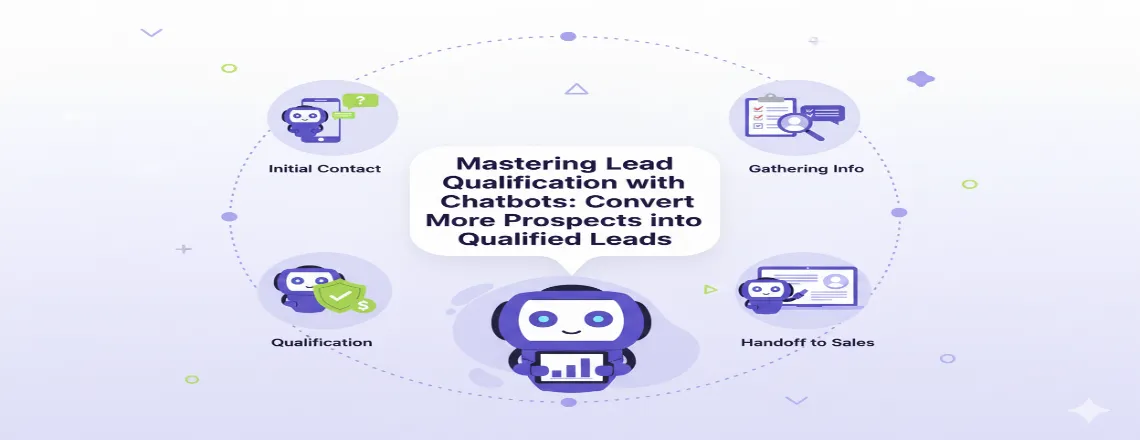
Here’s what mastering lead qualification with chatbots really means: you’re putting AI-powered assistants to work that engage your website visitors the second they show up, ask them smart qualifying questions, and send the serious buyers straight to your sales team while weeding out everyone else. These lead qualification chatbots don’t sleep; they work around the clock, identifying which leads actually have the budget, authority, need, and timeline to make a purchase happen before your sales folks spend even one minute on them.
📑 Table of Contents
- Mastering Lead Qualification with Chatbots: Convert More Prospects into Qualified Leads
- Why Lead Qualification Chatbots Matter?
- Key Benefits of Chatbot for Lead Qualification
- How AI Chatbot Lead Qualification Support Works
- Best Practices for AI Chatbot Lead Qualification
- Best Practices for Training AI Chatbots for Lead Qualification
- Best AI-Powered Chatbots for B2B Lead Qualification
- Challenges in Implementing Lead Qualification Chatbots (And Solutions)
- Case Studies: Companies Winning with Chatbot Lead Qualification
- Measuring Success: ROI Metrics for Lead Qualification Chatbots
- Conclusion
- Frequently Asked Questions (FAQs)
Companies that use a chatbot for lead qualification? They’re seeing conversion rates jump by 30-50% and their cost per qualified lead drop by 50-70%. Pretty impressive numbers. This comprehensive guide to lead generation breaks down exactly how you can build, train, and get these chatbots for lead generation running so they do the heavy lifting of separating actual buyers from people just kicking tires. Unlike traditional lead generation methods, modern AI chatbots streamline the entire qualification process, ensuring no potential lead is missed.
Why Lead Qualification Chatbots Matter?
Look, the sales world has completely changed. Buyers do their own research now. They want answers immediately, and I mean immediately. If you take too long to respond, they’re gone. Those old-school lead qualification process methods where you’d send manual follow-up emails or schedule qualification calls days later? They just don’t work anymore. Buyer behavior has evolved way past that.
Lead generation chatbots catch prospects right when their interest is at its peak. They grab information while people are still engaged, then score those leads using criteria you’ve already set up: things like budget, timeline, whether they can actually make decisions, and what problems they’re facing. The beauty of chatbots for lead generation is how they automate lead qualification without sacrificing quality.
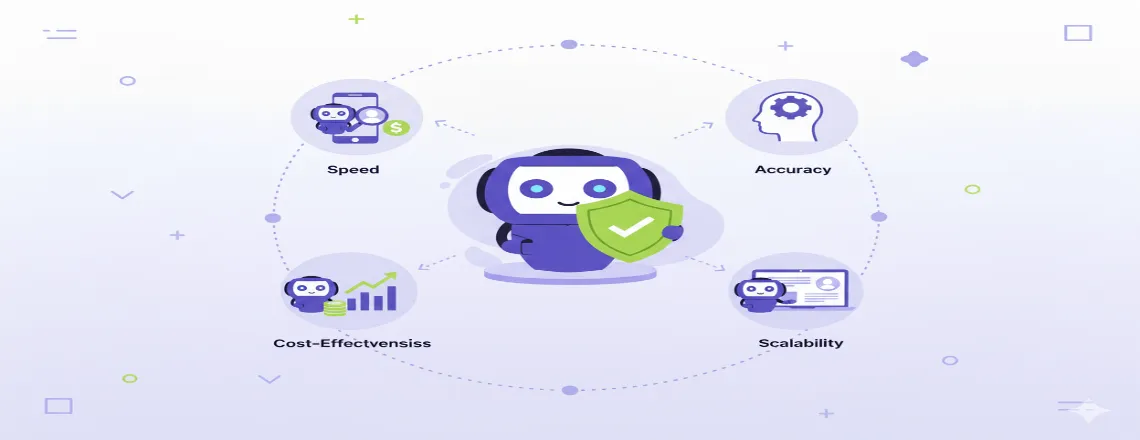
The data backs this up in a big way. When businesses add AI chatbot lead qualification support, here’s what they’re reporting:
- Response times get 67% faster for people reaching out
- Cost per qualified lead drops by 40%
- Lead-to-opportunity conversion rates improve by 55%
- Sales teams end up spending 60% more time on activities that actually matter
B2B companies see especially strong results here. The buying cycles in B2B are complicated; you’ve got multiple stakeholders, long decision processes. That makes early qualification absolutely critical. The best AI-powered chatbots for B2B lead qualification can handle conversations that touch multiple points, remember what was discussed before, and change up their questions based on how prospects respond.
There’s this Harvard Business Review study that found something interesting: companies that respond to leads within five minutes. They’re 100 times more likely to actually connect compared to companies that wait 30 minutes. Lead qualification chatbots respond every single time, instantly. This is where AI chatbots for lead generation truly shine; they ensure every lead gets immediate attention.
Key Benefits of Chatbot for Lead Qualification
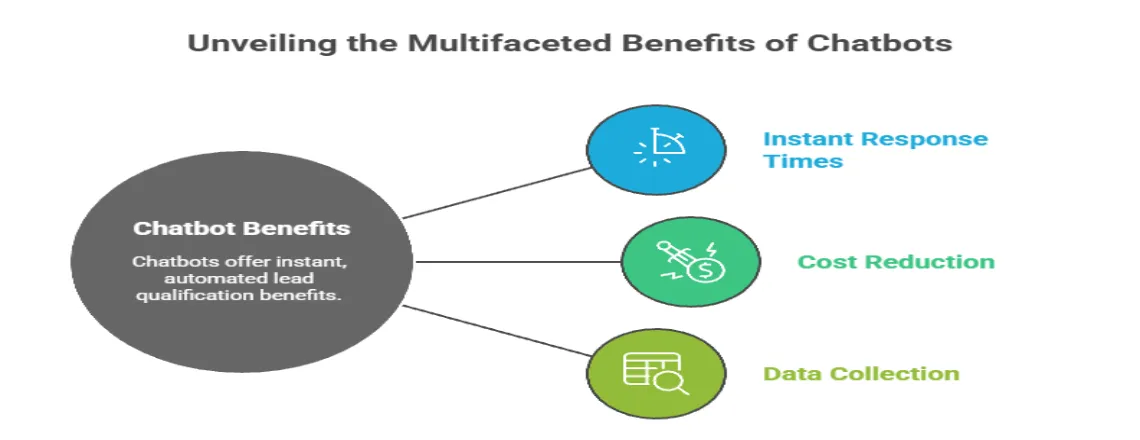
Instant Response Times Drive Higher Engagement
Speed matters, it really does. Lead generation chatbot systems fire back responses instantly to every single website visitor. We’re talking about turning casual browsing into actual qualification conversations within seconds of someone landing on your site. This ability to capture leads in real-time is what separates modern lead gen chatbot solutions from traditional lead approaches.
This changes the whole dynamic. Instead of making people fill out boring forms and then sit around waiting hours (or longer) for someone to call them back, visitors get into qualification conversations right away. The chatbot to qualify leads hits them with targeted questions, shares information that’s actually relevant to them, and even books meetings with your sales reps. All of this happens within minutes of that first contact. Chatbots engage prospects naturally while chatbots qualify leads by asking the right questions at the right time.
Here’s something worth noting: SaaS companies using AI chatbots for lead qualification are seeing form completion rates that are 3-5x higher than what they got with static forms. Why? Because having a conversation just feels easier and way more engaging than filling out some lengthy questionnaire. The best chatbots for lead generation make this process feel effortless.
And don’t overlook the after-hours piece. Your competitors are missing all those weekend and evening leads while your chatbot for lead generation is capturing and qualifying prospects 24/7. One software company I know of found that 34% of their highest-quality leads came from times when the office wasn’t even open. Chatbots provide continuous coverage that human teams simply can’t match.
Cost Reduction Through Automation
Manual lead qualification burns through money fast. You’ve got junior sales reps or SDRs spending hours on calls, firing off emails, researching prospects, and most of those prospects? They’re not even qualified. This whole approach can run you anywhere from $150 to $300 per qualified lead, depending on what industry you’re in.
Chatbot for lead qualification cuts those costs by 50-70%. The qualification happens automatically at first, filtering out people who aren’t qualified before any human gets involved. Your sales team only talks to leads who check all the boxes: right budget, clear timeline, actual need, and the authority to make decisions. This lower cost per lead directly impacts your bottom line.
Financial services companies and tech firms are reporting really strong ROI here. There’s this fintech platform that brought its cost per qualified lead down from $280 to just $95 by adding AI chatbot lead qualification support. And here’s the kicker, they doubled their qualified lead volume at the same time. This is the power of effective lead generation through automation.
Let me put the math in perspective. Say you’ve got a five-person SDR team that’s costing you $300,000 a year. You could cut that down to two people plus a chatbot platform subscription at around $12,000. That’s $168,000 in savings while actually improving both speed and consistency in your qualification process. When you use AI chatbots, the efficiency gains compound quickly.
Speaking of cost-efficiency, understanding how intelligent customer support maintains human touch while automating qualification helps balance automation with personalization seamlessly.
Data Collection That Fuels Smarter Sales
Every single chatbot conversation creates valuable intelligence. We’re not just talking basic contact information here. Lead qualification chatbots are capturing crucial lead data:
- The specific pain points and challenges people are dealing with
- What kind of budget ranges are they working with, and who has spending authority
- When they’re looking to buy, and how they make decisions
- Which competitor products are they currently using
- Technical requirements and what needs to be integrated with what
- Any objections or concerns they have
All this data flows straight into your CRM systems. So when your sales reps make that first contact, they already know everything: what the prospect needs, what they’ll spend, what objections need to be addressed. Integrating chatbots with your existing tech stack creates a seamless flow of information.
Your marketing team gets just as much value out of this. The conversation data shows which messaging actually works, which features people care about, and where they’re getting confused. These insights drive how you optimize your website, what content you create, and how you refine campaigns. AI chatbots help marketing teams make data-driven decisions.
Here’s a real example: one B2B software company noticed through their chatbot data that prospects asking about “enterprise security features” were converting at 3x the rate of general inquiries. They immediately built targeted campaigns around security and increased qualified lead volume by 45%. That’s the kind of actionable intelligence we’re talking about. Chatbots go beyond simple data collection; they provide strategic insights.
How AI Chatbot Lead Qualification Support Works
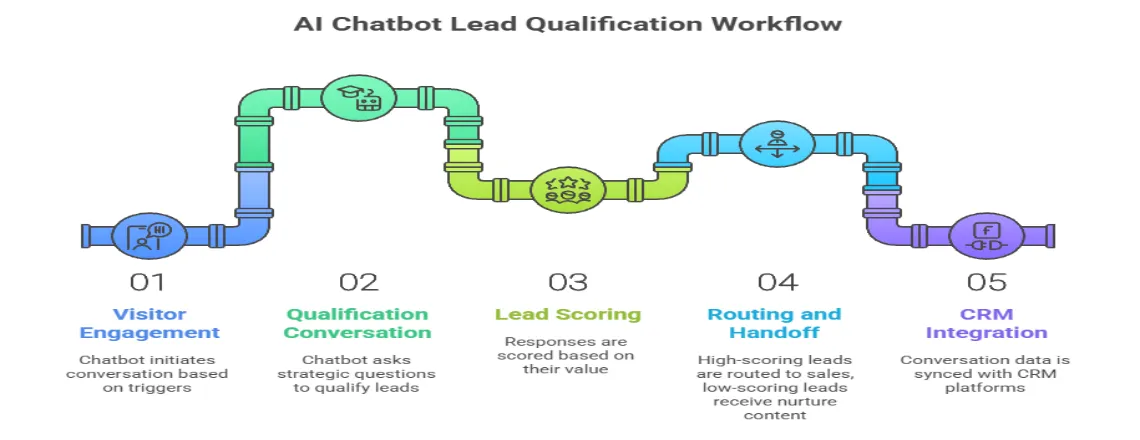
Modern lead generation chatbots blend natural language processing, machine learning, and business logic to run intelligent conversations. This conversational AI approach transforms how businesses streamline lead qualification. Here’s typically how the workflow breaks down:
Step 1: Visitor Engagement
The chatbot kicks things off when visitors hit certain triggers, maybe they’ve been on a page for a while, they’re scrolling in a certain way, showing exit intent, or clicking on key stuff. The opening message speaks to where they are: “Looking for information about enterprise plans?” or “Need help choosing the right solution?” This is where chatbots engage prospects and begin to guide users through the qualification journey.
Step 2: Qualification Conversation
The bot starts asking strategic questions based on qualification frameworks. You’ve probably heard of BANT (Budget, Authority, Need, Timeline) or CHAMP (Challenges, Authority, Money, Prioritization). The questions adjust based on what people say before, so it actually feels like a natural conversation. Chatbots qualify leads by asking contextually relevant questions that adapt in real-time.
Step 3: Lead Scoring
Responses automatically get scored. When someone gives high-value answers like they have a large budget, need something immediately, and can make decisions themselves, their score goes up. Low-value responses like no budget, just browsing around, or no decision authority? Those bring the score down. The system will score the lead based on predefined criteria, creating a lead-based classification system.
Want to ensure you never stop missing leads even during off-hours? The right chatbot setup captures every opportunity, qualifying prospects around the clock.
Step 4: Routing and Handoff
When leads score high, things happen immediately:
- They get calendar links to book meetings on the spot
- They connect with live sales agents
- Account executives get priority notifications
- Personalized follow-up sequences kick in
Leads with lower scores? They receive nurture content, educational resources, or are placed into longer-term email campaigns. This is effective lead management in action. Chatbots can send targeted content based on qualification status.
Step 5: CRM Integration
Everything from the conversation syncs to CRM platforms like Salesforce, HubSpot, Pipedrive, Zoho, you name it. Sales teams can access the complete context: every question that was asked, every answer that was given, the qualification score, and what steps are recommended next. Integrating lead data with your CRM creates a unified view of every lead.
The best AI chatbots for B2B lead qualification take it even further, integrating with:
- Marketing automation platforms so that triggered campaigns can run
- Analytics tools for tracking conversions
- Communication platforms like Slack for team notifications
- Video meeting software, so scheduling is seamless
Chatbots streamline the entire sales funnel, ensuring smooth handoffs at every stage. This is how modern sales chatbots operate, connecting multiple systems to create efficient lead processing.
Best Practices for AI Chatbot Lead Qualification
Design Conversation Flows That Feel Natural

Nobody wants to feel like they’re talking to some robot. The best chatbot for lead qualification should feel like you’re texting with someone who actually knows what they’re talking about. Here’s what you need to follow:
Start with empathy, not interrogation. Lead with value: “I can help you find the right solution in under 2 minutes” beats “Please answer these questions” any day of the week.
Keep questions conversational. Don’t ask “What is your annual revenue range?” Ask “How large is your team?” or “What kind of scale are you working at?” See the difference? This approach helps guide users naturally through the qualification process.
Limit question fatigue. Stick to 5-7 key questions maximum. Every single additional question you add reduces completion rates by 10-15%. Focus on information you absolutely must have, not stuff that would just be nice to know.
Offer quick-reply options. Multiple-choice responses cut down friction big time. Instead of making people type out budget ranges, let them click “$10K-50” or “$50K-100.”
Acknowledge responses. After each answer, throw in brief validation: “Got it, thanks,” or “That helps me understand your needs.” This mimics actual human conversation and keeps people engaged. Chatbots provide real-time feedback that maintains conversational flow.
Show progress. Tell people how many questions are left: “Just 2 more quick questions,” or “Almost done, one last thing.” People want to know they’re not committing to some endless interrogation.
Ask the Right Qualifying Questions

The quality of your questions determines how effective your chatbot actually is. Generic questions just generate generic data. You need specific, strategic questions that reveal true qualification. Chatbots qualify prospects by asking strategic questions that extract maximum value. Understanding how to properly analyze customer queries helps improve your qualification process over time.
Budget Questions
- “What budget range are you working with for this project?”
- “Have you allocated funds for this solution?”
- “Are you comparing options within a specific price range?”
Authority Questions
- “Who else is involved in this decision?”
- “Will you be making this decision independently?”
- “What’s your role in the buying process?”
Need Questions
- “What challenge are you trying to solve?”
- “What’s not working with your current approach?”
- “What happens if you don’t fix this problem?”
Timeline Questions
- “When do you need this solution in place?”
- “Is this urgent, or are you exploring options?”
- “What’s driving your timeline?”
Technical/Fit Questions
- “What tools does your team currently use?”
- “What integrations do you require?”
- “What team size are you supporting?”
Industry-specific questions add another layer of depth. Healthcare chatbots need to ask about HIPAA compliance. Financial services bots should inquire about regulatory requirements. Manufacturing chatbots probe production volumes and capacity needs.
The BANT framework (Budget, Authority, Need, Timeline) is still the gold standard when it comes to B2B qualification. Each conversation should touch on all four elements if you want to accurately score lead quality. When you qualify leads by asking the right questions, conversion rates improve dramatically.
Integrate with Your CRM and Sales Stack
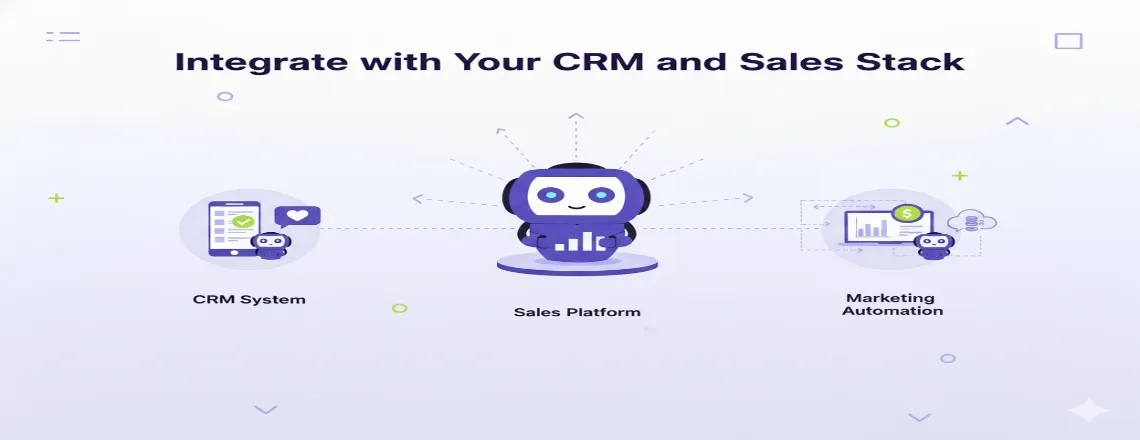
Chatbots that sit in isolation just create data silos and manual work nobody wants to do. Best practices for AI chatbot lead qualification require seamless integration with whatever sales infrastructure you already have in place. The effectiveness of chatbots with CRM integration cannot be overstated.
- CRM Connection: Bi-directional sync means chatbot conversations automatically update contact records, while CRM data informs how the chatbot behaves. When visitors come back, they get personalized greetings based on previous interactions they’ve had. This streamlined lead management approach ensures consistency.
- Marketing Automation: Qualified leads trigger nurture sequences. Unqualified leads go into educational drip campaigns. Hot leads? They get immediate outreach. This is how you automate lead generation while maintaining personalization.
- Calendar Systems: High-value prospects book meetings directly through the chatbot, picking available times right from sales rep calendars. No more scheduling back-and-forth.
- Communication Platforms: Real-time notifications alert sales teams the moment high-priority leads qualify. Slack channels or Microsoft Teams messages include lead details and conversation summaries. For teams handling multiple accounts, having a centralized dashboard to manage multiple clients becomes essential for tracking qualification across different customer bases.
- Analytics Platforms: Track your qualification rates, conversion paths, where people drop off, and ROI metrics. Connect chatbot data with Google Analytics, Mixpanel, or whatever custom dashboards you’re using. This helps you build a lead intelligence system.
Integration quality really determines your ROI here. Companies with fully integrated chatbot systems report sales acceptance rates that are 2.5x higher compared to those relying on manual data transfer. That’s a massive difference. When chatbots work seamlessly with your existing tools, efficiency multiplies.
Best Practices for Training AI Chatbots for Lead Qualification
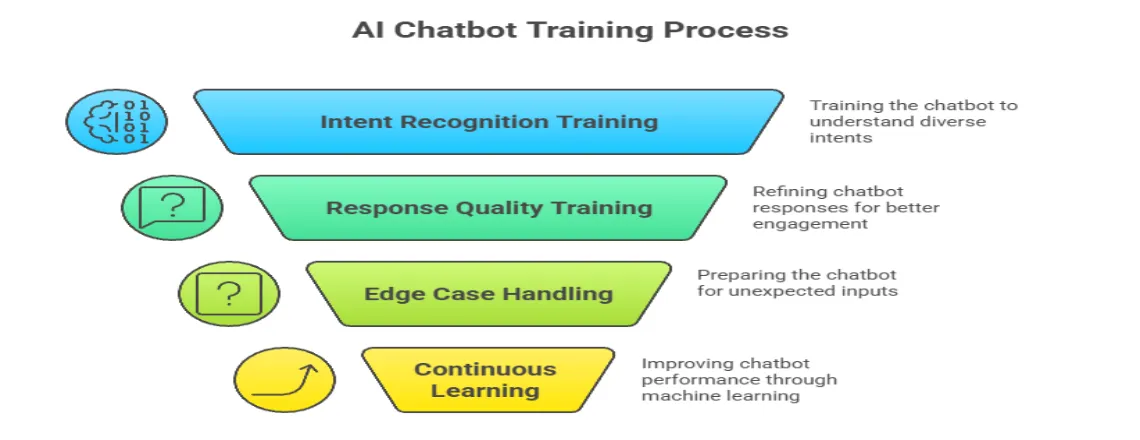
Training determines whether your AI chatbot lead qualification support actually succeeds or just ends up frustrating prospects. Not all chatbots are created equal; success depends on proper training. Follow this systematic approach:
Phase 1: Intent Recognition Training
Feed your chatbot hundreds of different variations of how prospects express intent. You need to train it to recognize:
- Questions about pricing (people say “How much does it cost?” or “What’s your pricing model?” or “Is it expensive?” all different ways of asking the same thing)
- Timeline signals (“We need this ASAP” versus “Just looking around” versus “Planning for Q2”)
- Budget indicators (“We have $50K allocated” versus “We’re bootstrapped” versus “Cost isn’t an issue”)
Use actual conversation data from sales calls, support tickets, and previous chat transcripts. The more variations you throw in there, the better your chatbot gets at understanding diverse phrasing. This training helps AI agent systems understand context and intent.
Phase 2: Response Quality Training
Review chatbot conversations weekly during the first month, daily during that initial deployment phase. Look for:
- Questions that got misunderstood
- Response patterns that feel awkward
- Conversations that hit dead ends
- Qualification opportunities that got missed
Refine responses based on what’s actually working in real conversations. A/B test different phrasings so you can figure out what drives the highest completion rates. Chatbots help improve over time through continuous refinement.
Implementing human-in-the-loop approaches during training phases ensures your chatbot learns from real expertise while maintaining quality control over qualification decisions.
Phase 3: Edge Case Handling
Train your chatbots to handle those unexpected inputs that always pop up:
- Off-topic questions (like “Do you have job openings?”)
- Competitor mentions (“We’re currently using [Competitor]”)
- Objections (“This seems expensive” or “We tried chatbots before and they didn’t work”)
- Technical problems (“The form isn’t working”)
Create fallback responses that gracefully redirect or offer human assistance when the chatbot runs into scenarios it wasn’t trained for. Chatbots can handle most situations, but knowing when to escalate is crucial.
Phase 4: Continuous Learning
The best AI-powered chatbots for B2B lead qualification get better through machine learning. They analyze successful qualification conversations, identify what patterns predict conversion. High-performing conversation flows get prioritized. Low-performing paths get revised.
Set up feedback loops where your sales teams rate lead quality. When sales marks a lead as “excellent qualification,” the chatbot learns which questions and responses led to that outcome. It’s constantly improving itself. This is where the real power of AI-led qualification systems emerges.
One enterprise software company I know about implemented weekly training sessions where marketing and sales teams sat down together to review the previous week’s chatbot conversations. Within 90 days? Their lead qualification accuracy jumped from 62% to 87%. That’s the kind of improvement continuous training delivers. Use AI intelligently, and results compound over time.
Best AI-Powered Chatbots for B2B Lead Qualification
Choosing the right chatbot platform really depends on your industry, what technical requirements you have, and how complex your sales process is. Here are the leading solutions worth looking at for your lead generation strategies:
1. Chatboq
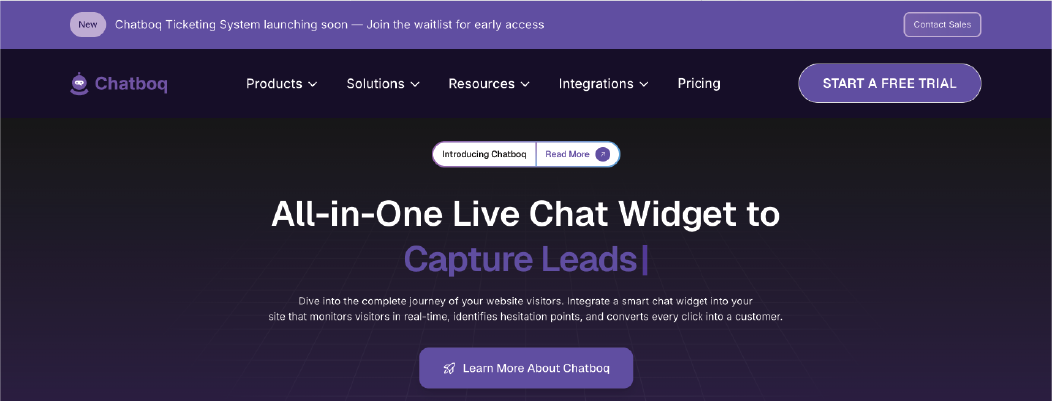
A fast, lightweight AI-powered chatbot platform built for small and mid-sized businesses. Chatboq focuses on instant lead capture, automated responses, smart FAQs, and website live chat widgets designed to boost conversions. No coding required. Best for: Businesses wanting an affordable, easy-to-deploy chatbot for lead qualification and customer engagement. Pricing: Free plan available; premium plans are affordable for SMBs.
2. Drift
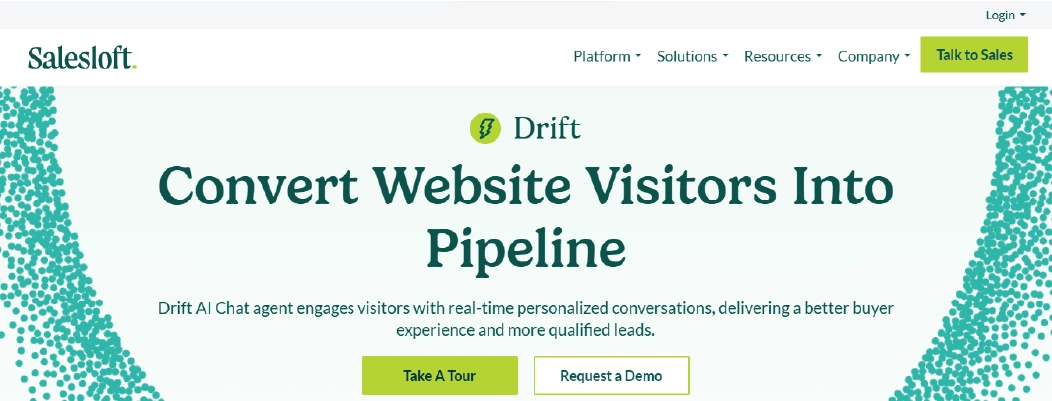
These guys pioneered conversational marketing, and they specialize in B2B lead qualification. Their strengths? Account-based marketing features, deep Salesforce integration, sophisticated lead routing. Best for: Mid-market to enterprise B2B companies dealing with complex sales cycles. Pricing starts at $2,500/month. Chatbots are designed by Drift to handle enterprise complexity.
3. Intercom
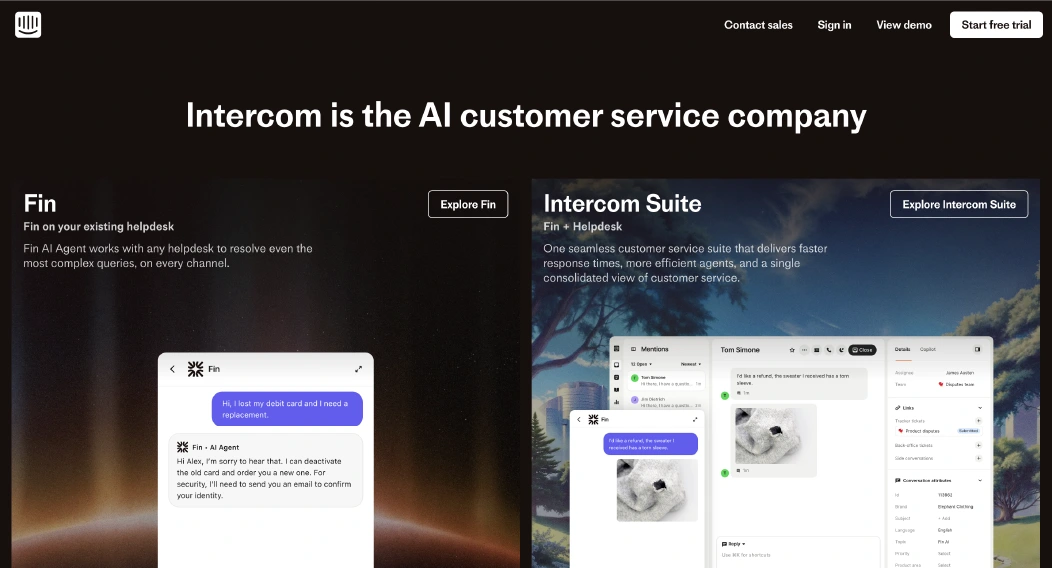
Known for having a flexible conversation builder and a really robust API. Intercom combines lead qualification with customer support, creating unified experiences. They’ve got strong analytics and multichannel support (web, mobile, email). Best for: SaaS companies that want combined sales and support chatbots. Pricing starts at $74/month. Their tool for lead generation capabilities is comprehensive.
4. Qualified
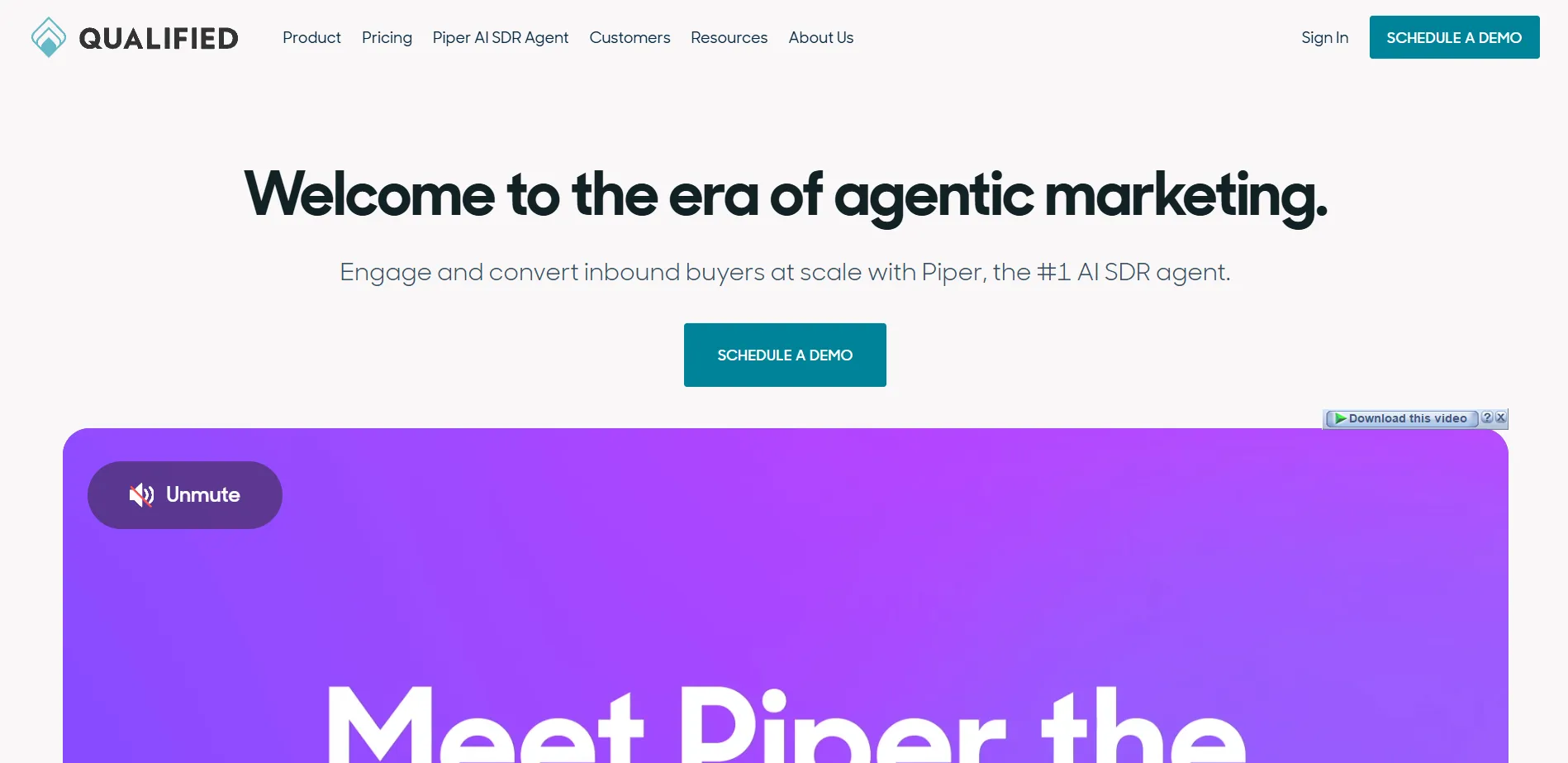
This one’s purpose-built for Salesforce users. Qualified creates chatbot experiences directly from your Salesforce data. You get real-time visitor identification and instant meeting booking. Best for: Sales organizations that are Salesforce-centric. Pricing starts at $3,500/month. Use an AI system that integrates natively with your existing stack.
5. Landbot
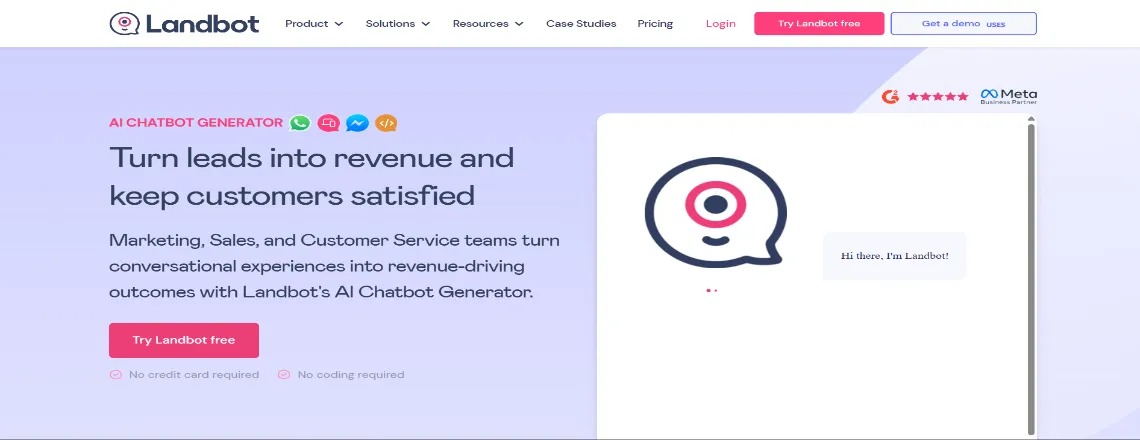
Their visual builder makes creating complex qualification flows accessible, even if you don’t have technical people. Strong template library and WhatsApp integration. Best for: Teams without developers who need quick deployment. Pricing starts at $40/month. Great for teams looking to automate lead capture quickly.
6. Chatbot
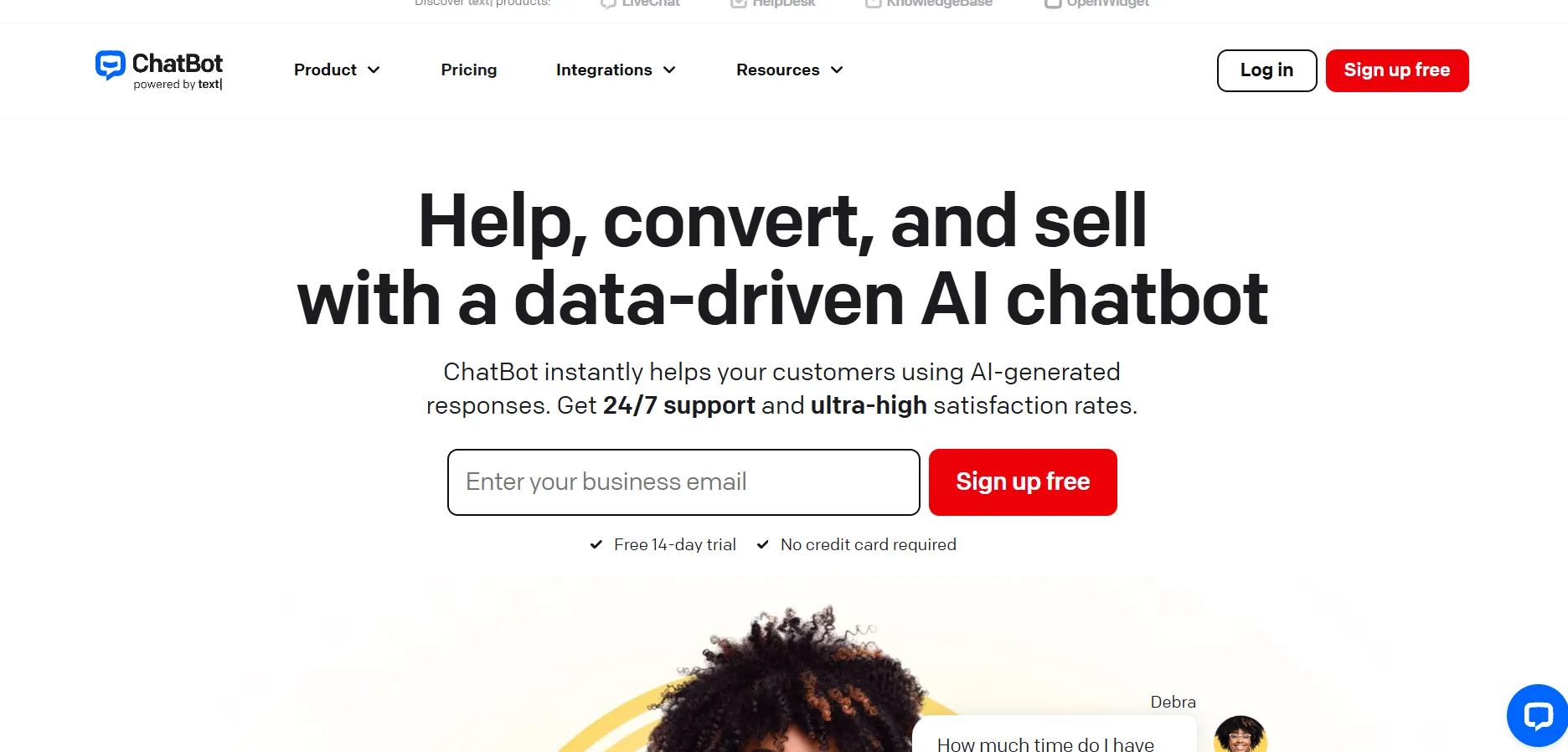
Versatile platform that supports multiple channels like website, Facebook, Instagram, and WhatsApp. They’ve got robust AI training tools and affordable pricing. Best for: Small to mid-sized businesses needing multichannel qualification. Pricing starts at $52/month. Excellent for lead generation across multiple platforms.
7. HubSpot Chatbot
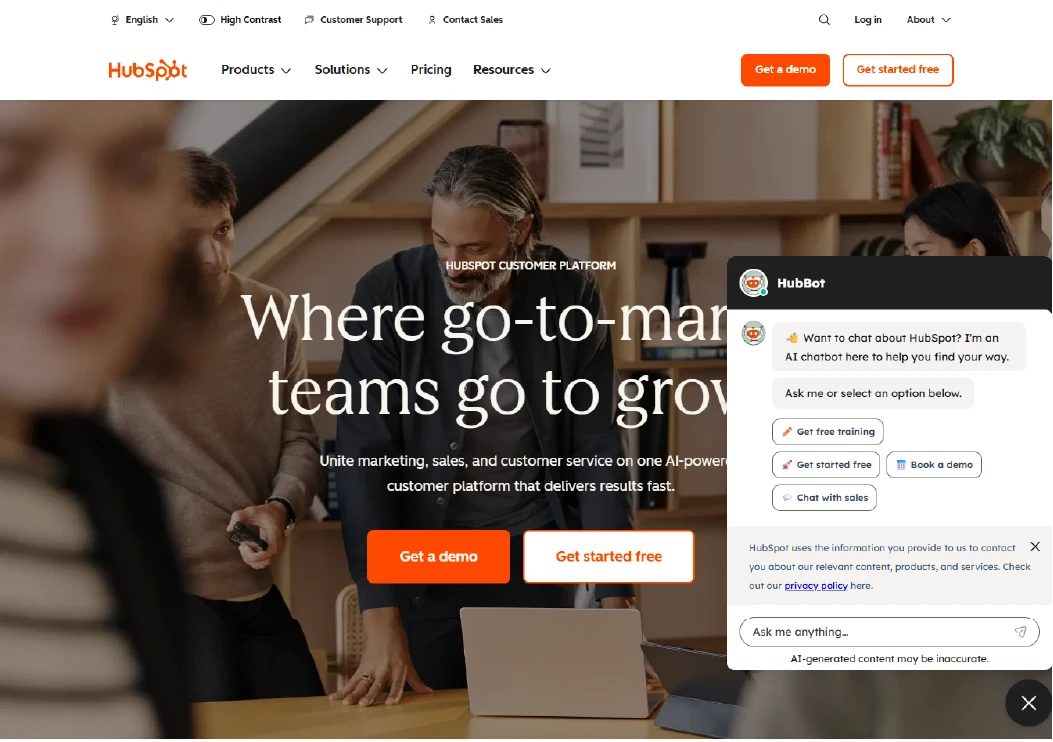
Native integration with HubSpot CRM and marketing automation. There’s even a free tier available. Setup is simple, though it’s less sophisticated than the specialized tools. Best for: Existing HubSpot customers wanting basic qualification. Free to $800/month. Good entry point for AI lead generation beginners.
8. Botpress
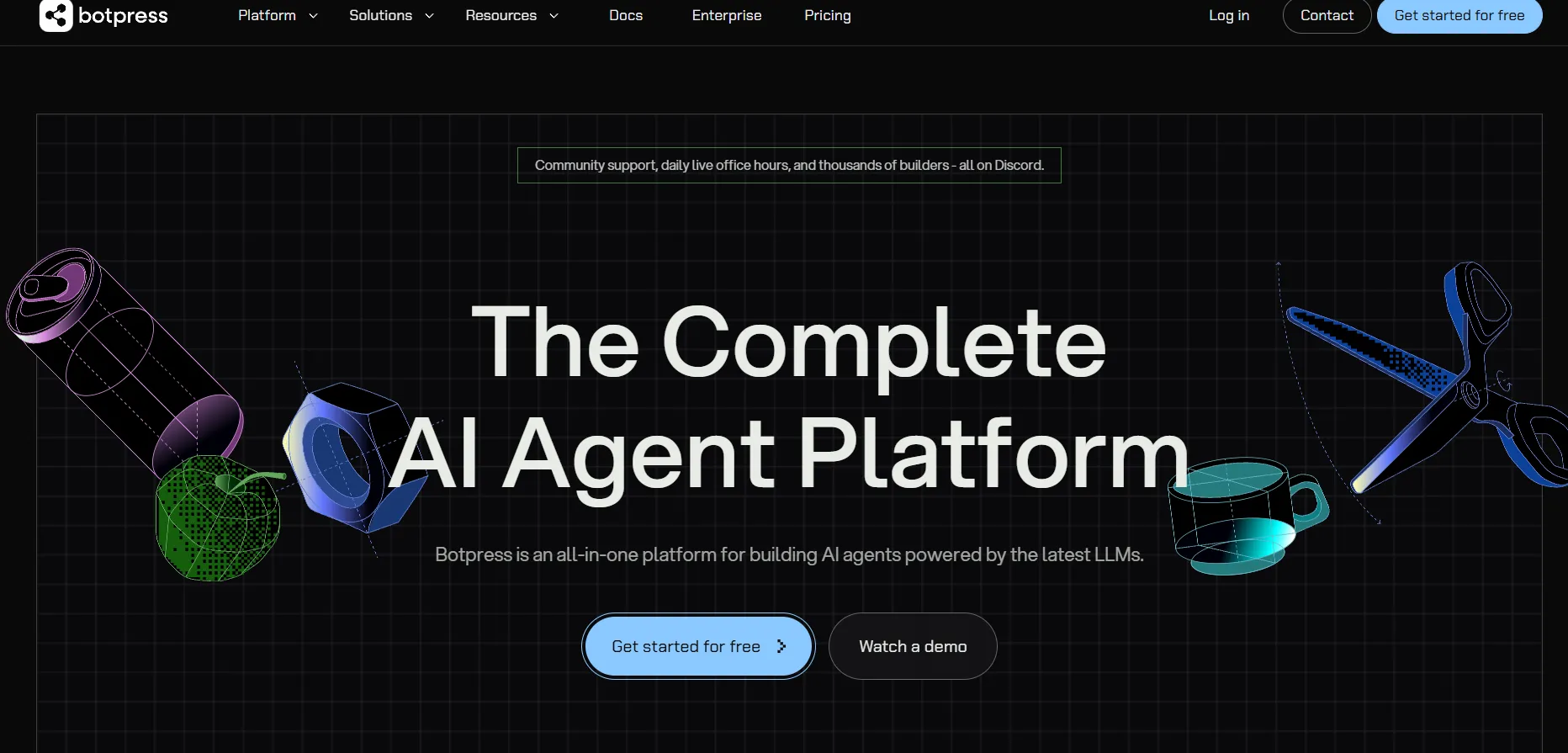
This is an open-source platform offering maximum customization. You’ll need technical expertise, but you get unlimited flexibility. On-premise deployment is available too. Best for: Enterprises with specific compliance or customization requirements. Self-hosted is free; cloud starts at $10/month. When you need the best AI customization, Botpress delivers.
9. ManyChat
Dominates social media lead qualification, especially on Facebook Messenger and Instagram. Really e-commerce and B2C friendly. Best for: Consumer brands using social advertising for lead generation. Pricing starts at $15/month. Strong option for social-based lead gen strategies.
Your selection criteria should include:
- Native CRM integrations that match your specific stack
- Natural language processing capabilities
- How much customization flexibility do you get for your industry
- The depth of reporting and analytics
- Pricing that aligns with your lead volume
- Security and compliance features you need
- What kind of support and training resources do they offer
Remember, chatbots ‘ ability to integrate seamlessly often determines success more than any single feature.
Challenges in Implementing Lead Qualification Chatbots (And Solutions)
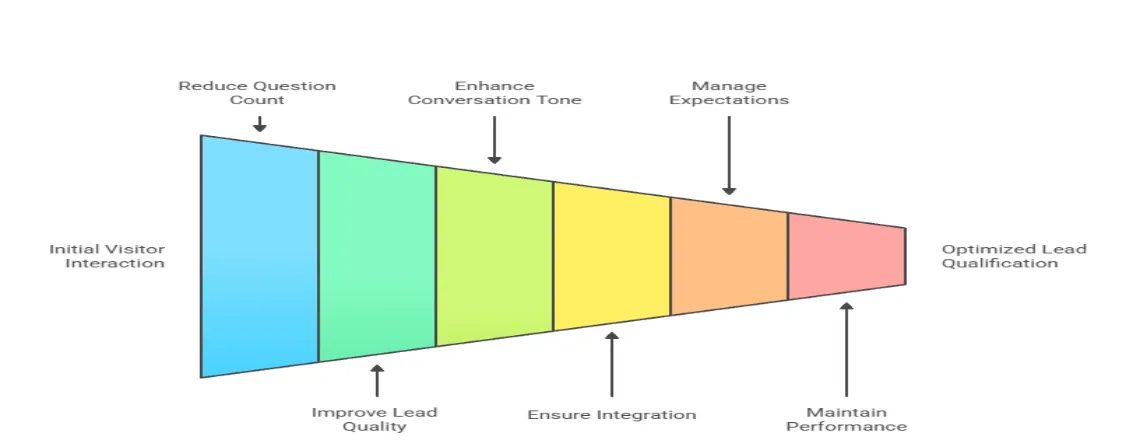
Challenge 1: Low Completion Rates
Visitors start conversations but bail before the qualification actually completes.
Solution: Cut your question count down to 5-7 maximum. Offer some value before you start asking for information, share a relevant resource or insight. Use progress indicators that show how many questions are left. Provide skip options for questions that aren’t essential while still qualifying based on whatever data you can get. Streamline lead qualification by removing unnecessary friction points.
Challenge 2: Poor Quality Leads Despite High Volume
Your chatbot qualifies tons of leads, but when they get to sales, the conversion rates are terrible.
Solution: Go back and revise your qualification criteria with input from the sales team. Add disqualifying questions that filter out poor fits. Use tiered lead scoring like hot, warm, cold instead of just qualified/unqualified. Review deals that actually closed successfully to identify patterns, then train the chatbot to prioritize similar characteristics. Chatbots can qualify leads effectively only when the criteria align with actual buyer profiles.
Challenge 3: Chatbot Conversations Feel Robotic
Prospects complain that interactions feel awkward and mechanical, which hurts how they perceive your brand.
Solution: Write conversational copy that mirrors how your actual sales reps talk. Add personality that reflects your brand voice. Include empathy statements and validation. Test conversations with real prospects before you roll it out to everyone. Consider adding light humor where it makes sense for your industry and brand. The goal is automating messages while maintaining a human touch balance that requires careful conversation design.
Challenge 4: Integration Difficulties
You’re hitting technical challenges trying to connect chatbots to CRM and marketing automation platforms.
Solution: Choose AI chatbot builders, lead qualification support platforms that have native integrations to whatever stack you’re already using. Allocate some technical resources for implementation. Start with basic integration like lead capture, then expand to advanced features like lead scoring, routing, and automation triggers. Work with the platform’s support teams, most of whom offer implementation assistance. Integrating chatbots properly from day one prevents headaches later.
Challenge 5: Managing Expectations
Stakeholders expect chatbots to immediately deliver massive results, which leads to disappointment when early performance is just… realistic.
Solution: Set clear baseline metrics before you launch anything. Communicate upfront that optimization takes 30-60 days as the chatbot learns from actual interactions. Celebrate the incremental wins, faster response times, increased form completions, and positive prospect feedback while you’re working toward those bigger conversion goals. Managing expectations around your lead generation efforts ensures stakeholder buy-in.
Challenge 6: Maintaining Chatbot Performance
Initial results are strong, but then they decline over time as the chatbot becomes outdated.
Solution: Establish monthly review processes. Update qualification questions whenever products, pricing, or sales processes change. Refresh conversation copy to keep it from feeling stale. Add new qualification paths for new products or markets you’re entering. Review what your competitors’ chatbots are doing quarterly for inspiration and to make sure you’re differentiated. Continuous optimization ensures your AI sales funnel stays efficient.
Case Studies: Companies Winning with Chatbot Lead Qualification
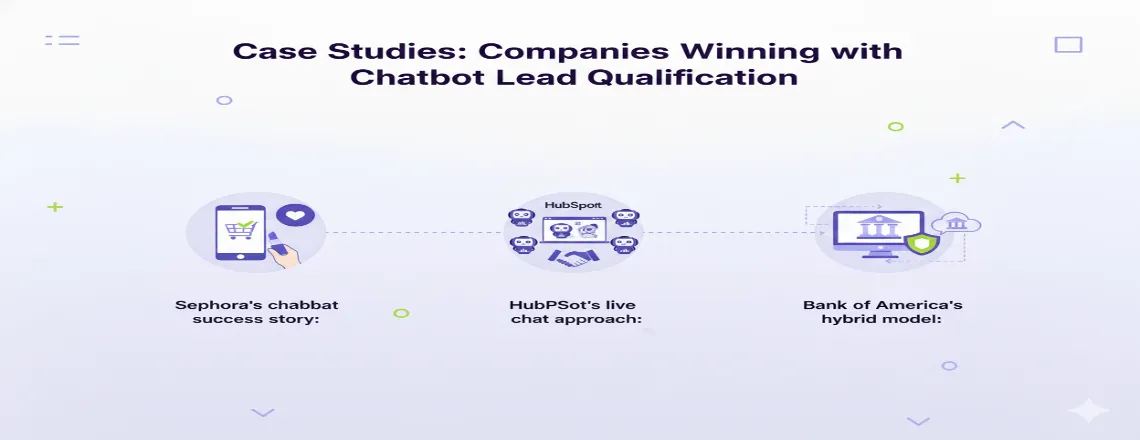
Case Study 1: Enterprise Software Company Doubles Qualified Leads
There was this mid-market cybersecurity software provider struggling hard with lead quality. Their marketing team was generating 500+ leads monthly, but only about 50 actually met sales criteria. That meant reps were wasting tons of time on prospects who weren’t qualified. They weren’t effectively using chatbots to engage prospects at the critical moment.
They decided to implement a lead qualification chatbot using Drift. They focused on BANT criteria:
- Company size (both employees and revenue)
- What security infrastructure do they currently have
- Whether the budget was authorized
- What their implementation timeline looked like
Here’s what happened after 90 days:
- 800 total leads captured (that’s a 60% increase)
- 180 qualified leads (a 260% increase in qualified volume)
- Cost per qualified lead dropped from $320 to $115
- Sales team satisfaction scores improved by 45%
- Their demo-to-close conversion rate increased from 12% to 19%
The key success factor? Sales and marketing got aligned on qualification criteria before they deployed the chatbot. That meant qualified leads actually matched what sales needed. When you properly use chatbots for qualification, the entire sales funnel improves. This consulting firm’s success mirrors what many service businesses discover when they implement instant AI customer support that qualifies leads while simultaneously providing immediate value to prospects.
Case Study 2: Professional Services Firm Reduces Sales Cycle by 40%
A management consulting firm was spending 2-3 weeks qualifying inbound leads through endless email exchanges and phone tag. Decision-makers couldn’t find time for initial calls, which created these huge qualification bottlenecks. Their traditional lead generation approach was failing in a fast-paced market.
They deployed a chatbot for lead generation that:
- Asked about project scope and budget right up front
- Identified who the decision-makers and influencers were
- Provided estimated pricing ranges
- Scheduled consultations directly through calendar integration
Results within 6 months:
- Average qualification time decreased from 18 days to 4 days
- Consultation booking rate increased by 85%
- Their proposal win rate improved from 28% to 41%
- Partners saved 15 hours every single week
The critical insight here? Providing transparent pricing during chatbot qualification built trust and pre-qualified budget fit. That resulted in much higher-quality consultations. They learned how to streamline lead qualification without sacrificing relationship quality. This is effective lead generation at scale.
Case Study 3: Financial Services Platform Scales Without Adding Staff
This fintech platform offering business loans was experiencing rapid growth, but it couldn’t afford to scale its qualification team at the same rate. They needed to handle 3x the lead capacity without tripling their headcount. They needed to automate lead processing intelligently.
They implemented an AI chatbot lead qualification support that:
- Collected business information (revenue, time in business, credit profile)
- Assessed what the loan amount and purpose were
- Pre-qualified applicants against their lending criteria
- Routed approved applicants straight to loan officers
Results after 12 months:
- Lead volume increased from 600 to 2,200 monthly
- The qualification team only grew by 1 person (instead of the projected 6 they thought they’d need)
- Approval rate increased from 31% to 47% because of better qualifications
- The time to funding decreased by 5 days
- Customer satisfaction scores improved by 23%
Their innovation? The generation chatbot is an AI-powered system that educates prospects about what documentation they’d need during the qualification process. That reduced all the back-and-forth after the human handoff. They mastered lead nurturing through automated education, creating a smoother experience for potential lead prospects.
Measuring Success: ROI Metrics for Lead Qualification Chatbots
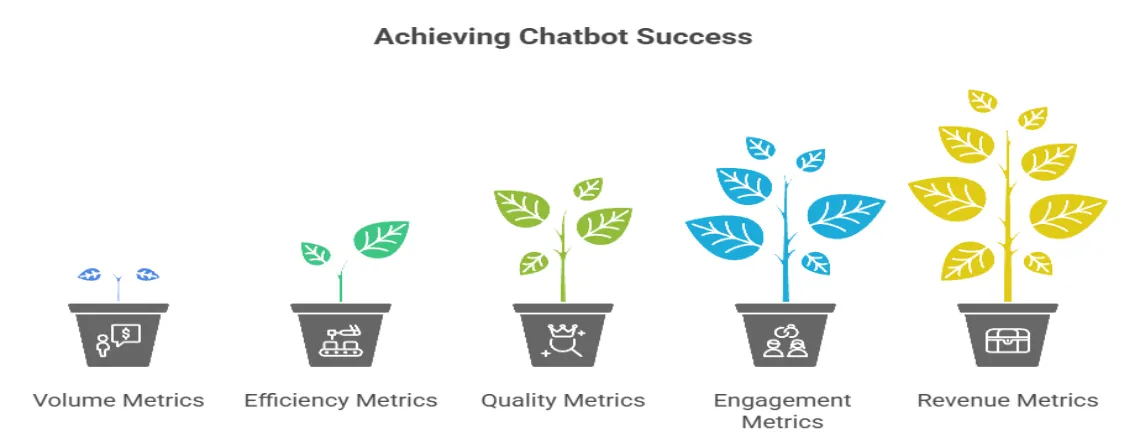
Track these metrics so you can prove the chatbot’s value and spot optimization opportunities for your lead generation efforts:
Volume Metrics
- Total conversations that got initiated
- How many qualification conversations have actually been completed
- Qualified leads that were generated
- Leads broken down by qualification tier (hot/warm/cold)
- Month-over-month lead growth
Efficiency Metrics
- Average time to qualification (compared to your previous manual process)
- Cost per qualified lead
- How much sales rep time gets saved on qualification
- Forms completed (chatbot versus static forms)
- After-hours lead capture
If you’re working with e-commerce businesses, tracking metrics around cart abandonment is equally important. Learn how to reduce cart abandonment through smart chatbot qualification that addresses purchase hesitations in real-time.
Quality Metrics
- Qualified lead to opportunity conversion rate
- Opportunity to close rate
- Average deal size from chatbot-qualified leads
- How satisfied is your sales team with lead quality
- Time from qualification to that first meeting
Engagement Metrics
- Conversation completion rate
- Average questions asked before people drop off
- Where are the most common drop-off points?
- Engagement rate by traffic source
- How often do people come back for return conversations
Revenue Metrics
- The pipeline that the chatbot influenced
- Closed revenue you can attribute to the chatbot qualification
- Sales cycle length (chatbot versus traditional methods)
- Impact on customer acquisition cost
- Marketing ROI improvement
Calculate ROI Using This Framework:
Costs
- Platform subscription fees
- Implementation and setup time
- Hours spent on training and optimization
- Integration development
- Ongoing management time
Benefits
- Sales hours saved × hourly rate
- Increased qualified lead volume × conversion rate × average deal value
- Reduced cost per lead × total leads
- Faster sales cycle × deal value × opportunity cost
- Marketing efficiency gains
Here’s an example ROI calculation:
- Platform cost: $500/month (that’s $6,000 annually)
- Implementation: $3,000 one-time
- Management: 10 hours/month × $50/hour = $6,000 annually
- Total cost: $15,000 first year
Benefits
- Sales time saved: 30 hours/week × $75/hour × 52 weeks = $117,000
- Additional qualified leads: 100/month × 20% conversion × $5,000 deal value = $120,000
- Reduced acquisition cost: $150 × 1,200 leads = $180,000
- Total benefit: $417,000
Industry Benchmarks to Target:
- Conversation Start Rate: 15-25% of your website visitors should initiate chatbot conversations
- Completion Rate: 45-65% of conversations that start should actually reach qualification completion
- Qualified Lead Rate: 20-35% of completed conversations should result in qualified leads
- Sales Acceptance Rate: 70% or more of chatbot-qualified leads should be accepted as legitimate opportunities by your sales teams
- Lead-to-Opportunity Conversion: 25-40% for chatbot-qualified leads (compared to 15-25% for traditionally qualified leads)
These metrics help you understand whether your best chatbots for lead generation are performing optimally and where adjustments might be needed.
Conclusion
Lead qualification chatbots deliver some of the highest ROI you’ll find in your entire sales technology stack. Companies implementing these tools consistently report faster sales cycles, higher conversion rates, and dramatically reduced qualification costs. Most are seeing 10x or better ROI within that first year alone.
Start with one high-traffic page and deploy a simple qualification bot focused on 5-7 strategic questions covering budget, authority, need, and timeline. Integrate it tightly with your CRM, measure results weekly, and refine based on actual conversation data you’re collecting. Within 90 days, you’ll have a qualification system working 24/7 to identify your best prospects while your competitors are sleeping. The question really isn’t whether you should implement chatbot lead qualification; it’s how quickly you can get it deployed before your market share starts diminishing.
Frequently Asked Questions (FAQs)
A lead qualification chatbot is an AI tool that automatically engages website visitors, asks qualifying questions, and identifies high-intent leads in real time.
They analyze visitor behavior, ask targeted questions, score leads based on responses, and send qualified leads directly to your CRM or sales team.
They save time, automate lead sorting, improve response time, and boost conversions by filtering out low-quality leads instantly.
Chatboq AI, HubSpot Chatbot, Drift, Intercom, and Tidio are among the best lead qualification chatbots in 2025.
Yes. AI chatbots engage instantly, reduce drop-offs, and pass only qualified prospects to the sales team, improving conversion rates significantly.
Lead qualification chatbots cost between $10 to $99 per month for small businesses and $500+ for enterprise solutions.
AI chatbots are faster and always available, but the best results come from combining AI automation with human follow-up for high-intent leads.
They typically ask about budget, requirements, timeline, business size, and intent — similar to BANT and CHAMP frameworks.
Yes. Platforms like Chatboq AI, HubSpot, and Drift integrate seamlessly with CRMs such as Salesforce, Pipedrive, Zoho, and HubSpot CRM.

Daniel Wong
Technical Content Writer
My name is Daniel Wong, a Technical Content Writer from Singapore with a strong interest in AI-powered tools and digital automation. At ChatBoq AI, I focus on creating practical and easy-to-follow content that helps businesses and individuals understand how chatbots work and how to use them effectively.
I enjoy breaking down complex topics like natural language processing (NLP) and conversational AI into simple guides that anyone can follow. Each article is based on careful research, real-world examples, and testing to ensure accuracy and reliability.
Through ChatBoq AI, my goal is to provide readers with trustworthy insights, step-by-step tutorials, and the latest trends in chatbot technology.
✍️
Expert in AI & Chatbot Technology

Leave A Comment