
Effective Chatbot Marketing Strategies for Real Engagement
In today’s competitive digital landscape, brands are constantly searching for ways to engage customers more effectively. One powerful solution? Chatbot marketing strategies.
📑 Table of Contents
- Effective Chatbot Marketing Strategies for Real Engagement
- Understanding Chatbot Marketing and Its Growing Importance
- Key Benefits of Chatbot Marketing Strategies
- Top Chatbot Marketing Strategies for Real Engagement
- Optimizing Your Chatbot Strategy for Conversions
- Measuring Chatbot Marketing Success
- Real-World Examples of Chatbot Marketing Success
- Real-World Case Studies: Chatbot Marketing in Action
- Conclusion: Chatbot Marketing is the Future of Engagement
- Frequently Asked Questions (FAQs)
With the rise of AI-powered chatbots for marketing, businesses are transforming how they communicate, offering personalized, instant, and interactive customer experiences. From customer support automation with chatbots to AI chatbots for lead generation, these tools are redefining how businesses attract, engage, and retain customers.
Let’s explore how to build an effective chatbot marketing strategy that not only drives engagement but also builds long-term brand loyalty.
Understanding Chatbot Marketing and Its Growing Importance
What is Chatbot Marketing?
Chatbot marketing uses conversational AI tools to communicate with users in real time, answering questions, generating leads, recommending products, and nurturing relationships.
Why It Matters:
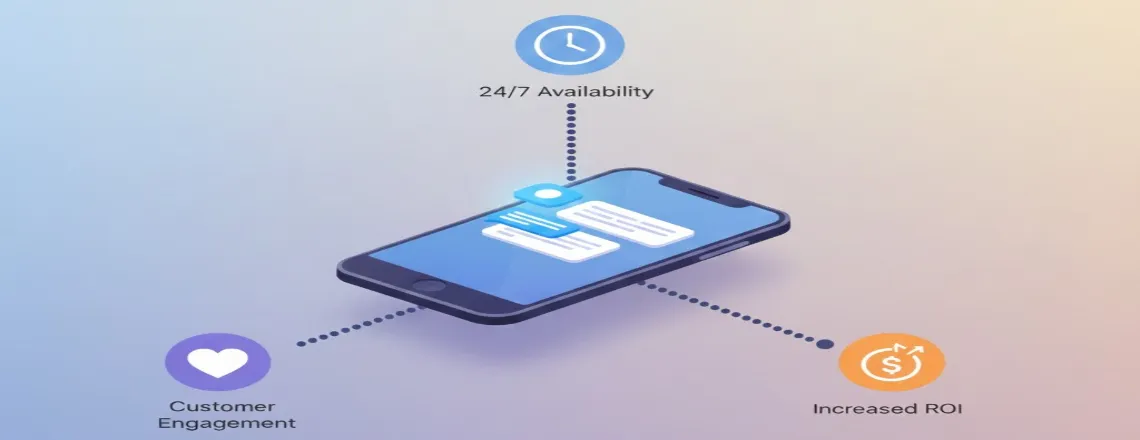
- Customers expect instant responses, and chatbots provide 24/7 support, ensuring they receive immediate assistance whenever needed.
- Businesses seek cost-efficient automation, and chatbots reduce manual workloads, enabling companies to scale more efficiently.
- Marketers strive for personalized experiences, and AI chatbots analyze user behavior to deliver tailored, relevant communication.
Key Benefits of Chatbot Marketing Strategies
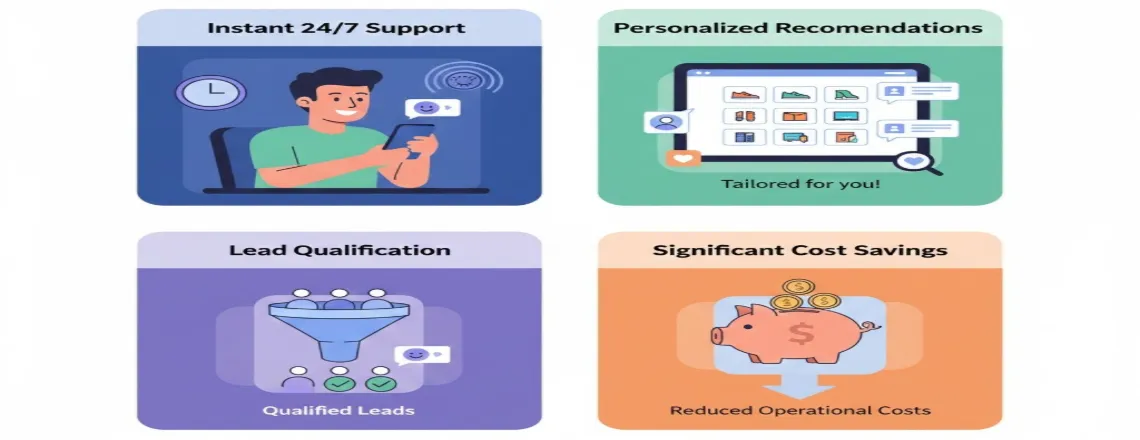
Implementing chatbot marketing can help brands connect better with audiences, increase satisfaction, and boost revenue.
1. Instant 24/7 Customer Interaction
Chatbots ensure customers get help whenever they need it. No waiting, no downtime — only seamless communication.
Example:
Domino’s Pizza uses chatbots across messaging apps to allow customers to order instantly, resulting in higher order frequency and faster responses.
2. Personalized Conversations
AI-powered chatbots analyze user data (like browsing history or past purchases) to create customized recommendations.
Example:
Sephora’s Virtual Artist chatbot suggests beauty products based on user preferences, boosting sales and satisfaction.
3. Efficient Lead Generation
AI chatbots for lead generation can qualify leads automatically by asking key questions, saving time for sales teams. A well-designed sales chatbot can streamline your entire pipeline from first contact to conversion.
Example:
Drift uses chatbots to identify and qualify leads in real-time before routing them to the right sales rep.
4. Cost Reduction Through Automation
By automating customer support with chatbots, businesses reduce staffing costs while maintaining high-quality service.
Example:
H&M’s chatbot assists with product searches, order tracking, and size recommendations, cutting customer service costs.
5. Data Collection for Smarter Marketing
Chatbots collect customer insights (queries, interests, purchase history), turning them into actionable marketing data.
Top Chatbot Marketing Strategies for Real Engagement
Now that you understand the benefits, here’s how to design a chatbot marketing plan that drives results.
1. Personalize User Journeys
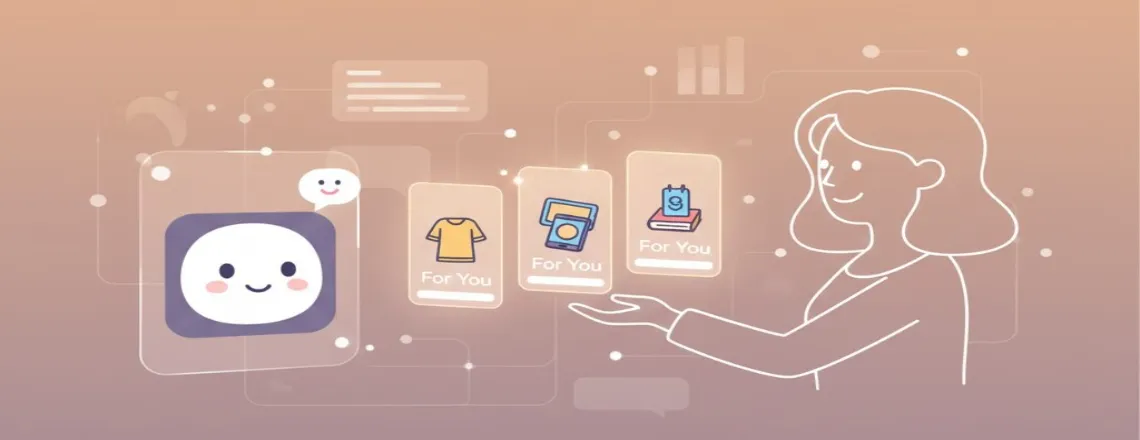
Use chatbots to deliver contextual and personalized content. The more relevant your interactions, the higher the engagement.
- Greet users by name.
- Recommend products or services based on their preferences.
- Remember returning customers and tailor responses accordingly.
2. Automate Lead Qualification and Follow-Ups
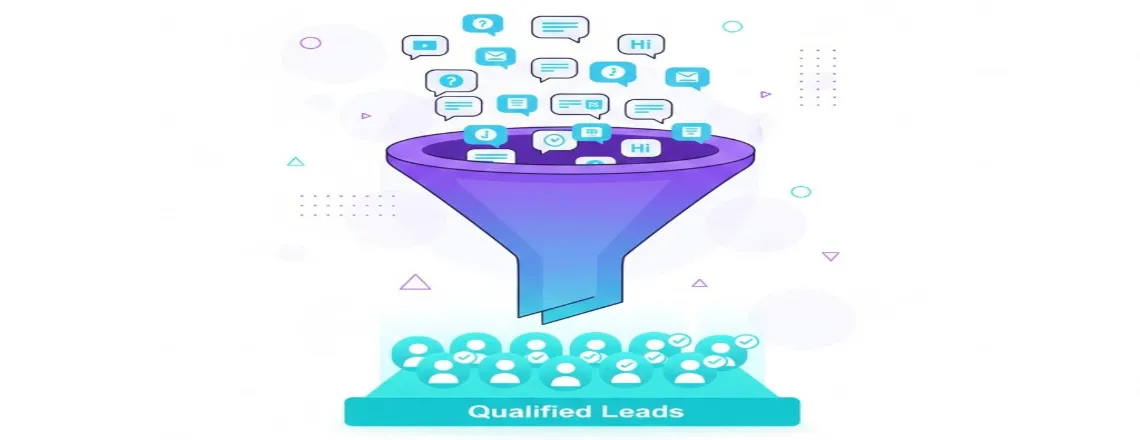
Chatbots can nurture leads through automated sequences:
- Qualify leads by asking specific questions.
- Send personalized follow-up messages.
- Schedule demos or calls directly through chat interfaces.
3. Integrate Chatbots Across Channels
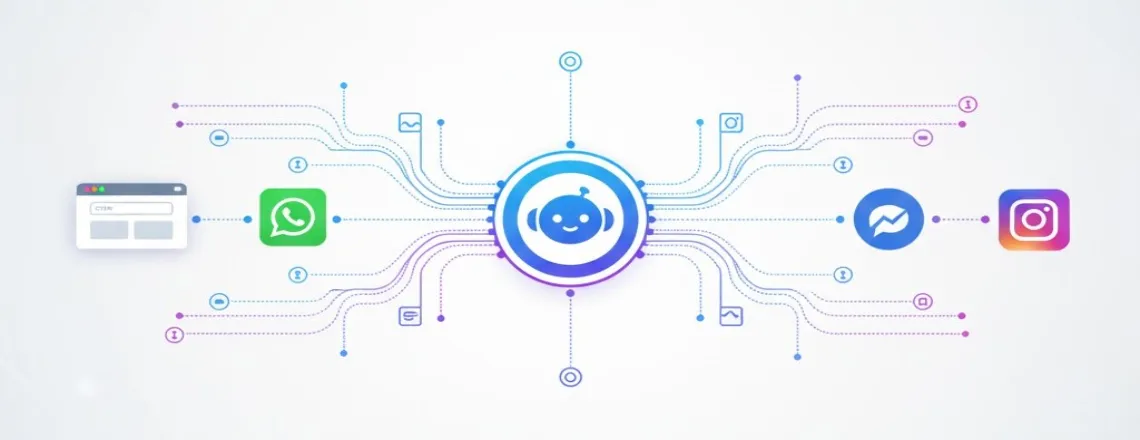
Customers interact on different platforms, websites, Facebook Messenger, WhatsApp, and Instagram.
Integrate your chatbot to ensure a consistent experience across all touchpoints.
Example:
KLM Airlines uses chatbots on Facebook Messenger and its website to assist with flight bookings and updates.
4. Create Interactive Chat Experiences
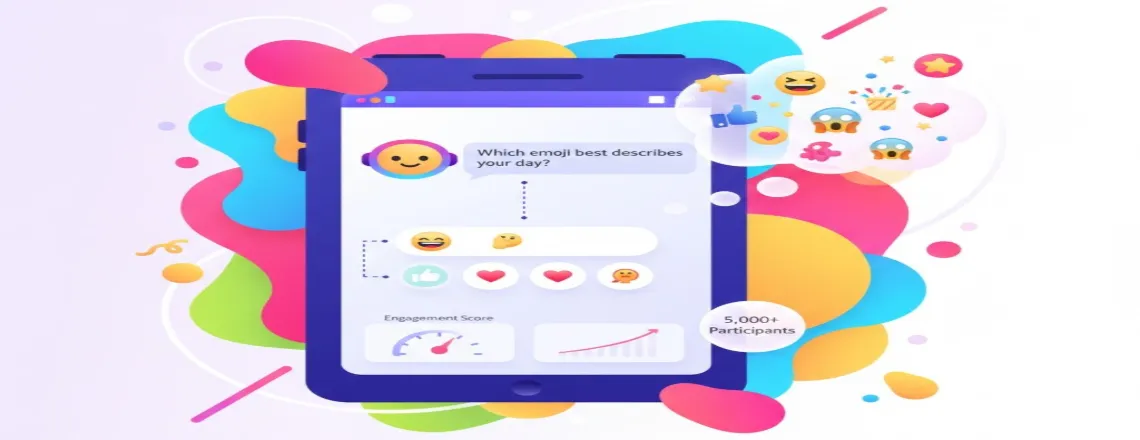
Engage customers with interactive content quizzes, polls, and games to increase retention and enjoyment.
Example:
M&M’s chatbot campaign used a “Which M&M flavor are you?” quiz to increase engagement and website traffic.
5. Align Chatbots with Your Sales Funnel
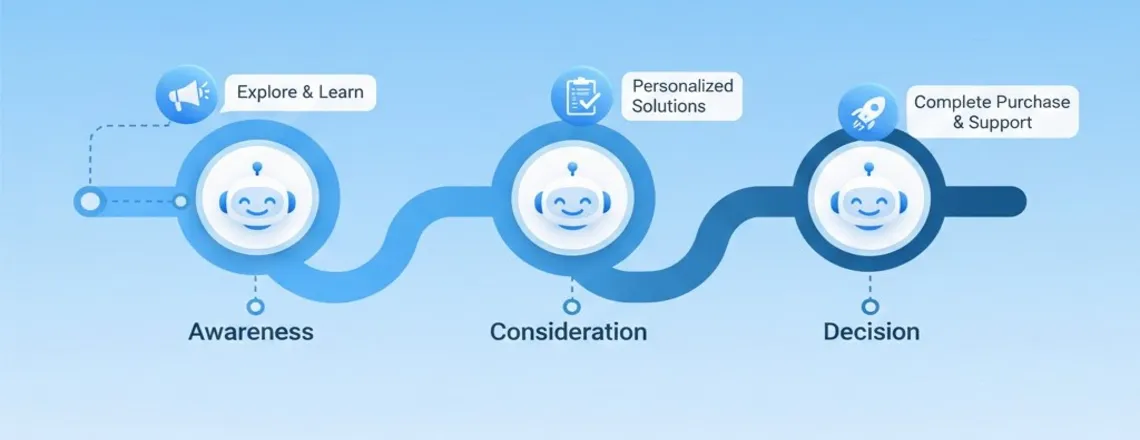
Map chatbot messages to each stage of your sales funnel: awareness, consideration, and decision, so they deliver the right message at the right time.
Optimizing Your Chatbot Strategy for Conversions
1. Use Smart CTAs (Calls-to-Action)
Encourage users to take the next step, such as downloading an eBook, scheduling a demo, or making a purchase directly within the chat.
2. Integrate Chatbots with CRM and Analytics Tools
Integrate your chatbot with systems like HubSpot, Salesforce, or Google Analytics to unify data and personalize communication at scale.
3. Test and Refine Your Chatbot Performance
Analyze metrics like engagement rate, conversion rate, and satisfaction (CSAT) to identify areas of improvement.
Measuring Chatbot Marketing Success
Here are the top metrics (KPIs) to track chatbot performance:
| Metric | What It Measures | Goal |
| Engagement Rate | % of users who interact with the bot | Gauge interest |
| Conversion Rate | % completing a desired action | Assess effectiveness |
| CSAT | User satisfaction score | Measure customer happiness |
| Lead Quality | Number of qualified leads | Evaluate targeting |
| Retention Rate | Returning user ratio | Track loyalty |
Real-World Examples of Chatbot Marketing Success
- Domino’s Pizza: Seamless ordering via chatbot increased convenience and order volume.
- L’Oréal: AI chatbot recommends beauty products, leading to higher online sales.
- Drift: Boosted sales-qualified leads by automating website conversations.
- Sephora: Chatbots improved customer retention with personalized recommendations.
Real-World Case Studies: Chatbot Marketing in Action
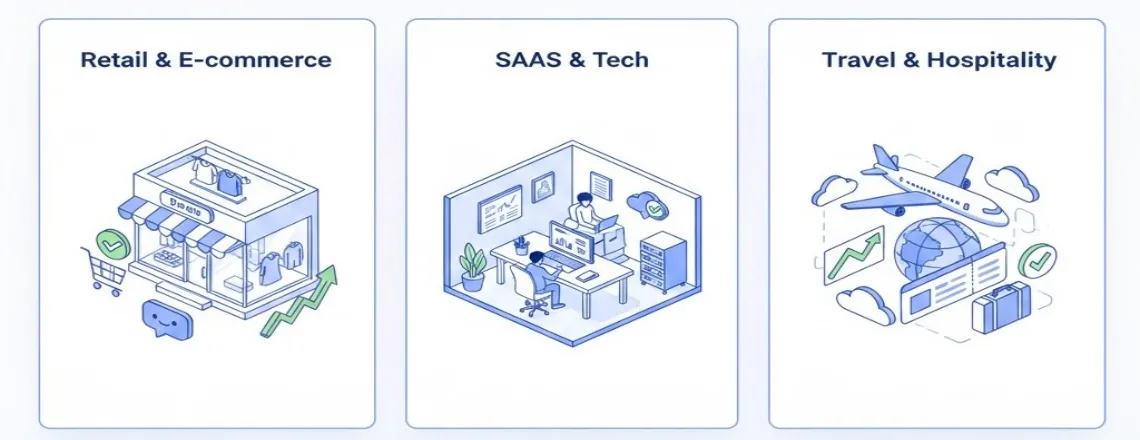
Case Study 1: E-commerce Brand Boosting Sales with Chatbots
H&M used a chatbot for product searches, size recommendations, and order tracking. This led to faster responses, increased engagement, and a 15% boost in sales from personalized recommendations. If you’re looking to achieve similar results, explore how an ecommerce chatbot can transform your online store.
| Bot for sale | Rating | Free plan/trial | Best for |
| Tidio | 4.7/5 ⭐️ | ✅ | AI and custom chatbots |
| Customers.ai | 4.8/5 ⭐️ | Free trial | Multichannel communication |
| Intercom | 4.5/5 ⭐️ | Free trial | Enterprise businesses |
| Drift | 4.4/5 ⭐️ | ❌ | Conversational sales |
| Zendesk | 4.2/5 ⭐️ | Free trial | Reports and analytics |
| WATI | 4.6/5 ⭐️ | Free trial | WhatsApp communication |
| Aivo | 4.5/5 ⭐️ | ❌ | Multilingual chatbots |
Case Study 2: SaaS Company Improving Lead Generation
Drift’s chatbot engaged website visitors in real-time, qualifying leads and passing them to sales. This reduced the sales cycle, generated 35% more qualified leads, and improved ROI.
Case Study 3: Travel Company Enhancing Customer Retention
KLM’s chatbot provided real-time flight updates, booking options, and customer support across multiple platforms. It increased customer satisfaction, engagement, and loyalty.
Conclusion: Chatbot Marketing is the Future of Engagement
The future of marketing is conversational. By implementing effective chatbot marketing strategies, brands can create personalized, scalable, and engaging customer experiences. Whether your goal is lead generation, customer support automation, or brand loyalty, chatbots can help you achieve it efficiently.
Frequently Asked Questions (FAQs)
A plan to use chatbots to engage customers, generate leads, and improve support automation.
By providing instant responses, personalized interactions, and 24/7 availability.
Not entirely. Chatbots handle routine tasks and escalate complex issues to humans.
They analyze data using NLP (Natural Language Processing) to offer contextual replies.
Brands like Sephora, Domino’s, and Drift have used chatbots to improve engagement and conversions.
Yes, by qualifying leads, capturing information, and sending personalized follow-ups.
Use platforms like HubSpot, Intercom, or Drift for seamless integration.
Using bots to resolve FAQs, track orders, and manage service inquiries automatically.
Track metrics like conversion rate, engagement rate, and cost savings.
Absolutely! Chatbots offer affordable, scalable solutions that help small businesses grow.

Daniel Wong
Technical Content Writer
My name is Daniel Wong, a Technical Content Writer from Singapore with a strong interest in AI-powered tools and digital automation. At ChatBoq AI, I focus on creating practical and easy-to-follow content that helps businesses and individuals understand how chatbots work and how to use them effectively.
I enjoy breaking down complex topics like natural language processing (NLP) and conversational AI into simple guides that anyone can follow. Each article is based on careful research, real-world examples, and testing to ensure accuracy and reliability.
Through ChatBoq AI, my goal is to provide readers with trustworthy insights, step-by-step tutorials, and the latest trends in chatbot technology.
✍️
Expert in AI & Chatbot Technology

Leave A Comment