
Top Customer Success Interview Questions and Answers (2025 Guide)
Customer Success (CS) is no longer just a support role. By 2025, it will have become a strategic growth lever, helping businesses increase retention, drive revenue, and improve long-term satisfaction.
📑 Table of Contents
- Top Customer Success Interview Questions and Answers (2025 Guide)
- Key Highlight
- Key Skills Required For Customer Success Roles
- Basic Customer Success Interview Questions and Answers
- Data-Driven and Analytical Customer Success Questions
- Product Knowledge and Onboarding Interview Question
- Customer Retention and Loyalty Building
- Customer Success Manager (CSM) and Leadership
- Customer Engagement and Success Metrics
- Tips to Prepare for 2025 Customer Success Interviews
- Conclusion
- Frequently Asked Questions (FAQs)
Preparing for a Customer Success interview today requires a mix of strategic thinking, empathy, problem-solving, and mastery of modern CRM tools and analytics platforms. Professionals who can help customers succeed while positively impacting business growth are in high demand worldwide.
Key Highlight
| Master the top Customer Success interview questions Use data-driven strategies to prevent churn Boost adoption with personalized onboarding programs Enhance engagement through multichannel communication tools Show leadership in global customer success initiatives |
Key Skills Required For Customer Success Roles
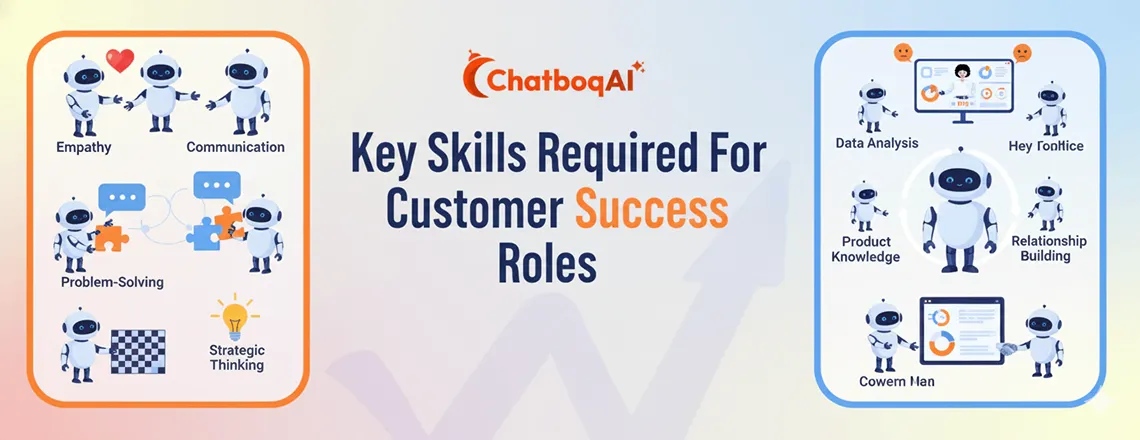
Universal Skills Every Customer Success Professional Needs
- Communication Skills: Explain value clearly and effectively.
- Empathy: Understand customer pain points deeply.
- Problem-Solving: Resolve complex challenges efficiently.
- Analytical Skills: Use metrics like Customer Health Score (CHS), Customer Lifetime Value (CLV), and Net Promoter Score (NPS) to guide decisions.
- Product Knowledge: Train and onboard clients with confidence.
- Adaptability: Manage multiple time zones and evolving products.
- Collaboration: Work seamlessly with cross-functional teams.
Soft Skills vs Technical Expertise
- Soft Skills: Conflict resolution, negotiation, adaptability, cultural awareness.
- Technical Expertise: CRM platforms, analytics tools, onboarding software, workflow automation using AI chatbots (Chatboq is a great example for tracking adoption and engagement metrics).
Basic Customer Success Interview Questions and Answers
1. Tell us about your experience with Customer Success
Sample Answer: “I managed 50 B2B SaaS clients to ensure adoption and retention. By analyzing usage data and conducting quarterly business reviews, I improved renewals by 15%. Collaborating with Product teams helped enhance features, making clients happier and more engaged.”
2. How do you measure Customer Success?
Sample Answer: “I track NPS, CHS, churn rate, product adoption, and CLV. Tools like Chatboq help me visualize trends and spot at-risk accounts. For example, proactive outreach to clients with declining customer engagement improved adoption by 20%.”
3. How do you handle a difficult customer?
Sample Answer: “I listen actively, clarify expectations, and outline actionable steps. Once, a client was frustrated with delayed updates. Coordinating with Product and Support teams, I provided a clear timeline and consistent follow-ups. Trust was rebuilt, and the client shared positive feedback.”
4. Describe a time you prevented customer churn.
Sample Answer: “A client had low software adoption. I provided personalized onboarding, identified gaps, and shared resources. Monthly check-ins increased adoption by 40%, resulting in a successful renewal.”
5. Tools and Platforms Familiarity.
Sample Answer: “I use Salesforce, Chatboq, Gainsight, HubSpot, Zendesk, Intercom, Tableau, and Google Analytics to track KPIs, adoption trends, and engagement insights.”
6. How do you prioritize tasks across multiple clients?
Sample Answer: “I prioritize based on health scores, renewal dates, and growth opportunities. Urgent issues come first. Tools like Trello, Asana, and Chatboq dashboards help me stay organized and ensure no client is overlooked.”
7. Strategies to improve product adoption
Sample Answer: “Focus on education and engagement. Webinars, in-app messages, personalized resources, and analytics dashboards help customers see value quickly.”
8. How do you work with cross-functional teams?
Sample Answer: “I coordinate with Sales, Product, and Marketing using shared dashboards and regular meetings to ensure a seamless customer experience.”
9. How do you handle disengaged customers?
Sample Answer: “I analyze usage data, schedule discovery calls, uncover challenges, and provide tailored support. One client increased weekly logins by 60% after a personalized engagement plan.”
10. Where do you see the future of Customer Success?
Sample Answer: “Customer Success will be more data-driven and AI-assisted. Predictive analytics, multi-channel engagement, and personalized experiences will dominate. Professionals need empathy, analytical skills, and technical fluency to make a measurable impact.”
11. Describe a time when you resolved a conflict between teams in different countries.
Sample Answer: Our US and APAC teams disagreed on escalation. I set up a joint video call, clarified workflows, and suggested a unified process. Communication improved, and the client’s issues were resolved efficiently.
12. Tell me about a time you had to adapt quickly to a sudden company policy change affecting international clients.
Sample Answer: When EU data privacy rules changed, I updated onboarding documents, trained local teams, and informed clients. Onboarding continued smoothly, and clients appreciated our proactive communication.
13. Tell me about a time you had to persuade a client from a different culture to adopt a new product feature.
Sample Answer: An APAC client hesitated to use a new feature. I understood their concerns, showed similar success stories, and guided them through live demos. Adoption grew 40%, and the partnership strengthened.
14. Describe a situation where you had to manage different expectations from clients in multiple countries.
Sample Answer: European clients wanted detailed reports, US clients preferred dashboards. I created custom templates and automated dashboards. Engagement and satisfaction increased.
15. Give an example of resolving a major client issue under tight deadlines.
Sample Answer: A client faced downtime before a launch. I coordinated IT and support teams across time zones, implemented a temporary solution, and kept the client updated. The launch succeeded, and trust increased.
Data-Driven and Analytical Customer Success Questions
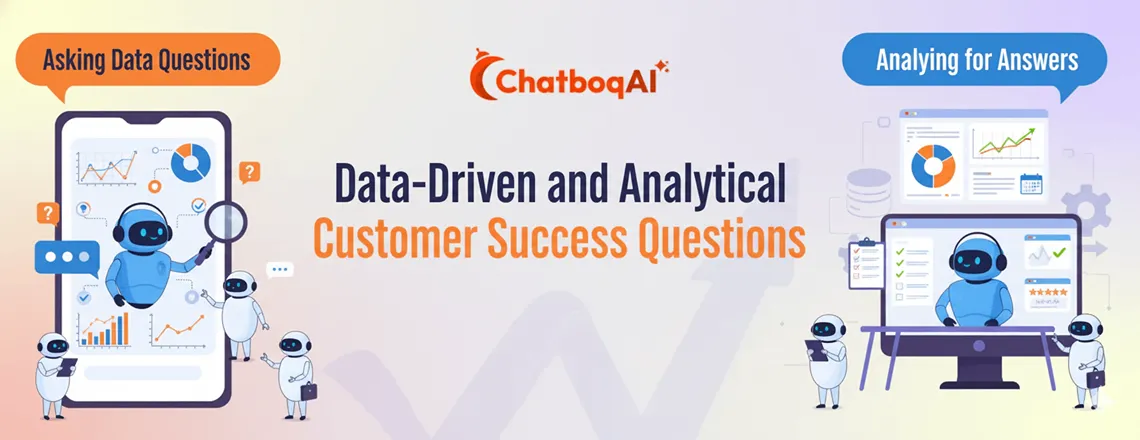
Data is at the heart of modern Customer Success. Metrics like Churn Rate, Net Promoter Score (NPS), Customer Lifetime Value (CLV), and Customer Health Scores not only measure performance but also help you proactively guide customers toward success. Here are four key questions you’re likely to face, along with engaging ways to answer them:
1. How do you measure Customer Success using data?
Sample Answer: I track NPS, churn, and product usage patterns. Proactive check-ins for mid-tier clients reduced churn by 12% in six months using tools like Chatboq.
2. Give an example where data influenced your decision-making.
Sample Answer: We noticed enterprise clients not using dashboards churned more. Targeted webinars boosted adoption by 45% and reduced churn by 8% in a quarter.
3. How to leverage NPS and Customer Health Scores to prevent churn?
Sample Answer: “I segment NPS feedback, promoters become advocates, passives get engagement, detractors trigger intervention. Combined with CHS, I anticipate issues before they arise.
4. Telling stories with data to engage stakeholders?
Sample Answer: I use dashboards to highlight trends and revenue impact, making analytics actionable for stakeholders.
Product Knowledge and Onboarding Interview Question
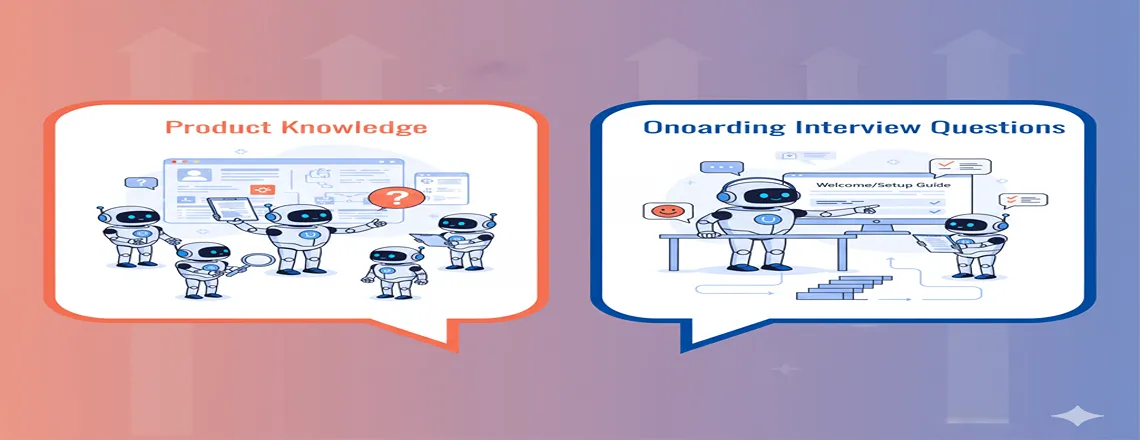
1. How do you explain product features to clients across different languages and cultures?
Sample Answer: “I use clear language, visuals, and region-specific examples. For example, translating guides for European clients ensures quick understanding and confidence.
2. Can you give an example of a successful global onboarding program you implemented?
Sample Answer: In my previous role, I developed a multi-lingual onboarding webinar series with follow-up guides. I also paired clients with success coaches from their region. This personalized approach increased adoption by 40% within the first three months.
3. How do you demonstrate quick learning when training clients?
Sample Answer: I actively learn client workflows before sessions and adapt my training in real-time. By asking targeted questions and using live product demos, I help clients grasp complex features quickly, reducing the typical onboarding timeline by 30%.
4. How do you handle a client struggling with new product features?
Sample Answer: I first analyze usage data to identify gaps, then provide step-by-step tutorials, personalized walkthroughs, and check-ins. For example, a client with low reporting usage increased their activity by 60% after I customized a learning path for them.
5. How do you ensure clients retain knowledge after onboarding?
Sample Answer: I create accessible knowledge bases, follow-up emails, and short video tutorials. This supports self-paced learning and reinforces adoption, leading to long-term satisfaction and lower support requests.
Customer Retention and Loyalty Building
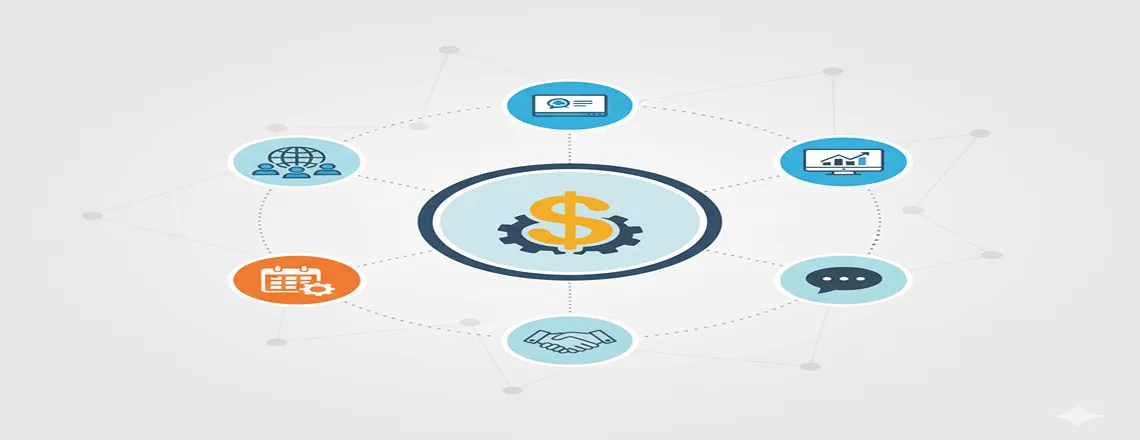
- Retain customers globally: Combine proactive check-ins, analytics, and personalized engagement.
- Upselling: Recommend features aligned with client goals to build trust.
- Renewals: Adapt to regional practices (multi-year discounts in Europe, flexible plans in the US).
- Loyalty drivers: Some regions value responsiveness, others recognition programs.
- Measurable impact: Track churn, renewals, and upsell metrics, translating results into actionable stories.
Customer Success Manager (CSM) and Leadership
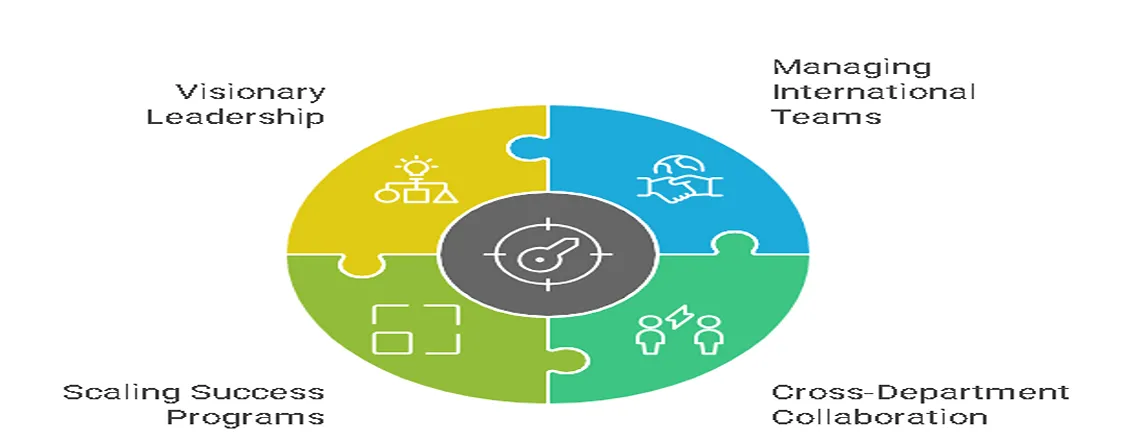
- Managing international teams: Clear communication, time-zone awareness, cultural sensitivity, and tools like Chatboq for alignment.
- Building remote trust: Transparency, regular updates, and recognition of achievements.
- Cross-department collaboration: Coordinate with Product, Sales, and Marketing using dashboards.
- Scaling success programs: Analyze adoption, customize playbooks per region, replicate workflows globally.
- Visionary leadership: Anticipate trends, align teams, and drive global growth and retention initiatives.
Customer Engagement and Success Metrics
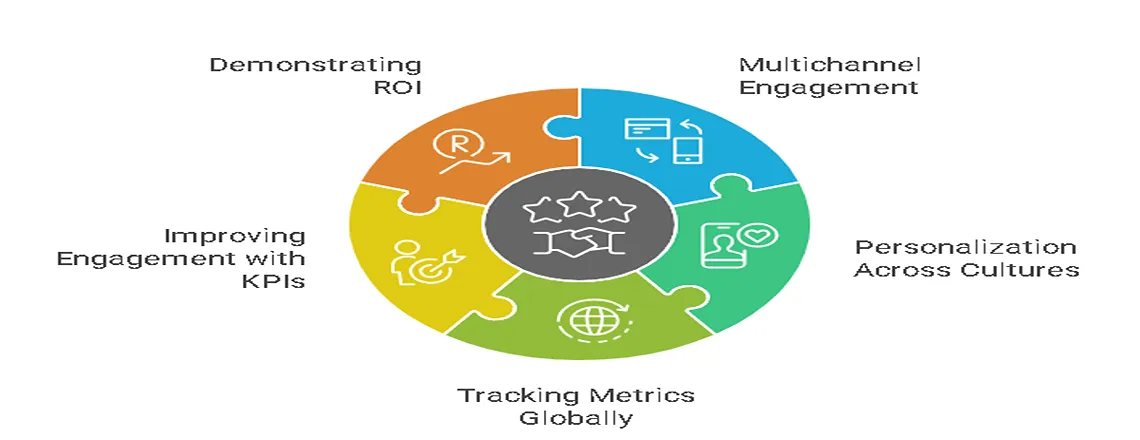
- Multichannel engagement: Combine email, in-app messages, webinars, social media, and chat.
- Personalization across cultures: Adjust tone, examples, and content formats for each market.
- Tracking metrics globally: Standardize CSAT, CES, CLV; monitor trends via dashboards.
- Improving engagement with KPIs: Target passive users through re-engagement campaigns; increase satisfaction by 35%.
- Demonstrating ROI: Link retention, upsell, and engagement to revenue impact; tools like Chatboq make tracking simple.
Tips to Prepare for 2025 Customer Success Interviews
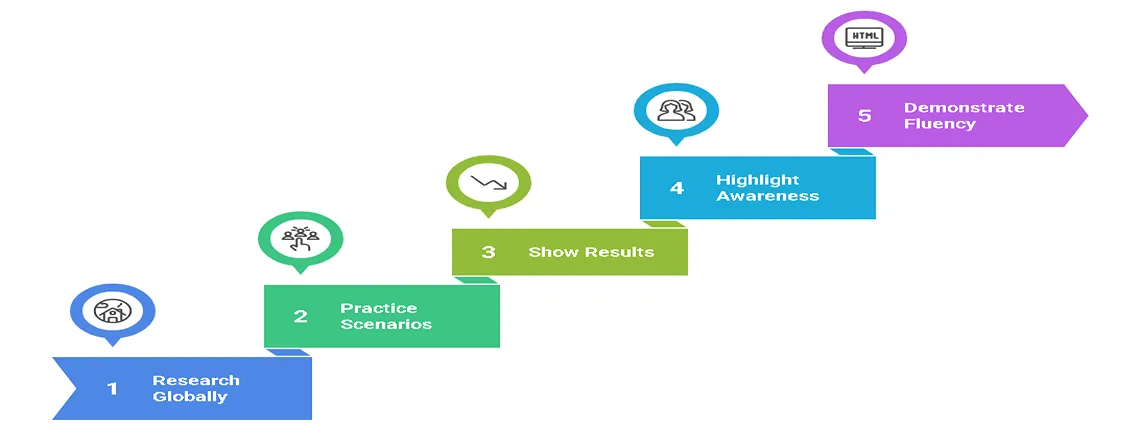
- Research globally: Understand international clients, regional trends, and platforms they use.
- Practice with real-world scenarios: Use case studies to explain strategies for retention, adoption, and engagement.
- Show measurable results: Share KPIs, analytics, and data-driven outcomes.
- Highlight cultural awareness: Emphasize empathy, adaptability, and collaboration in multicultural contexts.
- Demonstrate technical fluency: Be familiar with CRM tools, analytics dashboards, and engagement platforms like Chatboq.
Conclusion
Success in a Customer Success interview in 2025 is more than knowing tools or metrics. Demonstrate that you care about your customers, solve problems proactively, and use data-driven insights to guide decisions. Share real-world examples, think globally, and highlight how platforms like Chatboq can streamline analytics, adoption tracking, and engagement, making you a standout candidate and future CS leader.
Start your free trial at Chatboq to experience how intelligent dashboards and proactive customer engagement can transform your CS strategy.
Frequently Asked Questions (FAQs)
Customer Success (CS) is a strategic role driving retention, revenue, and customer satisfaction using data, empathy, and modern CRM tools.
Communication, empathy, problem-solving, analytical skills, product knowledge, adaptability, and collaboration are essential.
Use metrics like NPS, Customer Health Score (CHS), CLV, churn rate, and product adoption to track engagement and satisfaction.
Questions often cover experience, data-driven decision-making, handling difficult clients, preventing churn, and working with cross-functional teams.
Analyzing NPS, CHS, and usage patterns allows proactive engagement and intervention before clients disengage.
Salesforce, Gainsight, HubSpot, Zendesk, Intercom, Tableau, Google Analytics, and Chatboq help track KPIs and manage engagement.
Listen actively, clarify expectations, provide actionable solutions, and follow up regularly to rebuild trust.
Use personalized onboarding, webinars, in-app messages, tutorials, and ongoing client education to drive adoption.
By maintaining clear communication, cultural awareness, time-zone management, and using collaboration tools to align teams.
Customer Success will be increasingly data-driven, AI-assisted, and focused on personalized, multi-channel engagement for measurable growth.

Daniel Wong
Technical Content Writer
My name is Daniel Wong, a Technical Content Writer from Singapore with a strong interest in AI-powered tools and digital automation. At ChatBoq AI, I focus on creating practical and easy-to-follow content that helps businesses and individuals understand how chatbots work and how to use them effectively.
I enjoy breaking down complex topics like natural language processing (NLP) and conversational AI into simple guides that anyone can follow. Each article is based on careful research, real-world examples, and testing to ensure accuracy and reliability.
Through ChatBoq AI, my goal is to provide readers with trustworthy insights, step-by-step tutorials, and the latest trends in chatbot technology.
✍️
Expert in AI & Chatbot Technology

Leave A Comment