

Conversational Customer Service: Channels & Best Practices
Conversational customer service has become one of the most innovative ways to improve the customer service experience. It uses AI chatbots, live chat, and messaging apps like WhatsApp and Facebook Messenger to communicate with customers in real time. Unlike traditional customer service methods that relied on long phone calls or delayed emails, this conversational approach focuses on natural, two-way dialogues that make customers feel valued and connected.
📑 Table of Contents

With the help of conversational AI, businesses can now handle customer queries instantly, automate responses, and maintain a friendly, human tone. According to Gartner, more than half of companies now track the financial results of their AI for customer service efforts, proving that modern communication channels powered by conversational platforms not only save time but also boost customer engagement.
Key Feature
| Real-time, personalized customer support interactions AI-driven automation for faster responses Multichannel engagement across chat and social Data insights improve customer service strategy Seamless handoff between bots and humans |
Traditional vs. Conversational Approach

For decades, traditional customer service relied on emails, phone calls, and manual responses from service reps. This approach worked when customer expectations were low, but today’s customers expect faster replies, seamless experiences, and personalized attention across multiple channels.
In contrast, conversational customer service leverages conversational AI in customer service to interact with customers naturally and proactively. It helps support teams provide answers in seconds, reduces wait times for customers, and delivers the kind of good customer experience that strengthens customer relationships.
Here is a comparison table showcasing the main differences between the two strategies.
| Feature | Traditional customer service | Conversational customer service |
| Communication style | Uses pre-scripted and standardized replies | Utilizes conversational tone and natural language |
| Channels | Phone calls, emails, and SMS messaging | Social media, chatbots, and messaging platforms |
| Personalization | Mostly generic one-off interactions | Relational to build long-term relationships |
| Approach of engagement | Reactive approach to issues as they arise | Can handle an unlimited number of simultaneous inquiries |
| Automation | Largely limited to solutions like automated voice response | Extensive use of automations and AI |
| Scalability | Scaling challenges and rising costs | Can handle unlimited number of simultaneous inquiries |
| Availability | Runs within business hours | 24/7 support |
| Experience | Long response times | Instant responses |
This evolution shows how implementing conversational AI and multichannel customer service helps businesses improve the customer experience and efficiently provide service across every customer service channel.
Major Benefits of Conversational Customer Service

1. Enhanced Customer Experience
A major benefit of conversational AI is the way it transforms the overall customer experience. Through conversational AI tools, companies can personalize communication, ensuring customers feel recognized and appreciated. This not only builds customer loyalty but also increases customer satisfaction and customer retention.
For instance, Gecko Hospitality achieved 90% automation with AI chatbots, showcasing the benefits of conversational technology in real-world customer interactions. When customers get instant, helpful replies, they’re more likely to return, creating a better service experience and a stronger customer journey.
2. Increased Efficiency and Productivity
Using AI for customer service allows businesses to automate repetitive customer questions through multiple channels like SMS, web chat, or social media. This lets support teams focus on complex customer issues while automation handles simple inquiries.
According to Deloitte, AI for customer service assistants has significantly improved efficiency and customer response speed, helping service teams resolve problems faster and improve customer service quality. This combination of automation and human empathy creates a perfect balance that customers across industries now demand.
3. Data Insights and Analytics
Every customer conversation produces valuable customer data that enhances customer relationship management (CRM) systems. With integrated conversational CRM, businesses can track customer preferences, identify customer needs, and analyze customer feedback for continuous improvement.
This detailed view of the customer helps organizations predict what customers want, design smarter customer engagement campaigns, and provide first contact resolution with confidence.
Key Conversational Customer Service Channels

Live Chat
Live chat is a vital channel for customer service, enabling real-time interactions with customers. Eye-oo implemented automation with live chat and reduced wait times for customers by 86%, improving overall customer satisfaction. Agents can multitask, use canned responses, and provide seamless help, creating a consistent service experience that aligns with modern customer expectations.
Chatbots
AI chatbots are at the core of conversational service. They use conversational AI and machine learning to interact with customers, understand tone, and personalize answers. Integratec, for example, uses AI chatbots to collect leads, track customer queries, and deliver 24/7 conversational support. This setup improves efficiency and customer service without overwhelming the contact center.
Phone Support
Even with automated customer service, human connection remains essential. Phone support enables emotional empathy that AI cannot replace entirely. Many companies now combine AI voice assistants with human agents to deliver a seamless hybrid experience. Golden Nugget, for example, automated 34% of its reservations while improving the overall customer experience.
SMS and Messaging Channels
Messaging apps and SMS allow for personal, two-way communication. They’re perfect for confirmations, feedback, and appointment reminders. Atlantic Golf Course uses WhatsApp to manage reservations with conversational AI, reducing friction and helping to streamline customer interactions.
While slower, email support still plays a key role in handling detailed customer issues and creating documented threads. Companies like Signalhire use automated replies that generate tickets instantly, offering another support channel to improve customer response rates.
Social Media
Social media has evolved into a major communication channel for conversational customer service. Platforms like Facebook Messenger, Instagram, and X let brands interact with customers instantly. Wendy’s witty and relatable tone on X is a great example of conversational support done right, engaging customers across various audiences while maintaining good customer relationships.
Best Practices for Conversational Customer Service
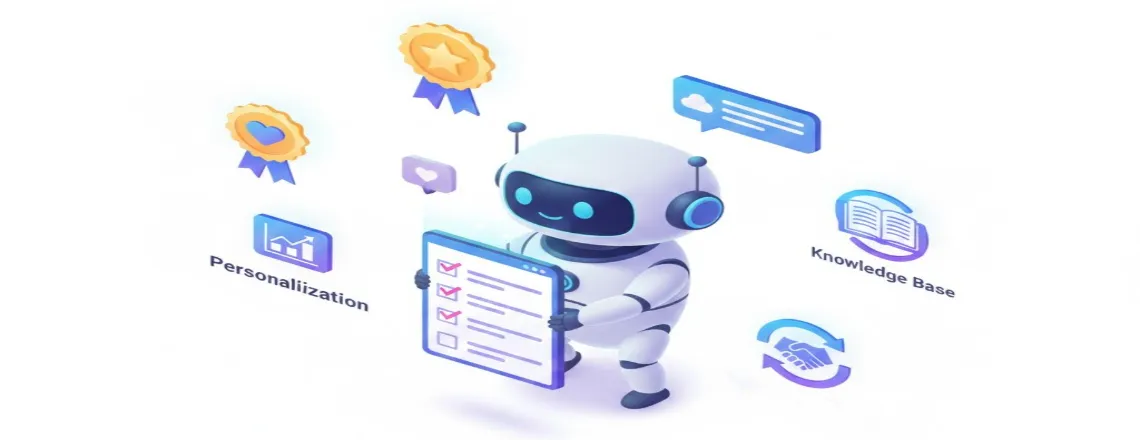
1. Choose the Right Tools
Selecting the right conversational tools is one of the best practices for conversational engagement. Businesses should consider scalability, automation, and CRM integration to ensure great service and effective customer support.
2. Personalize Every Message
To make your customers feel appreciated, use customer data and behavior insights to personalize every message. Starbucks is known for its best practices for conversational customer engagement, remembering names, orders, and preferences through its app to deliver a warm, personalized customer experience.
3. Build a Knowledge Base
Apple’s comprehensive support library sets an example in implementing conversational knowledge hubs. Having an accessible database helps support teams provide instant answers, empowering customers across locations to find solutions faster.
4. Train and Monitor AI
Companies like IBM invest heavily in conversational AI customer service systems, training them with real-world customer interactions and support data. This ensures AI chatbots stay accurate, updated, and empathetic. Proper training and monitoring AI is a key best practice for maintaining consistent customer service channels.
5. Ensure Seamless Human Handoff
A seamless transition between bots and humans prevents frustration and enhances first contact resolution. Sephora’s chatbot hands conversations to agents who can see previous chats, reducing repetition and improving service across departments.
6. Collect and Act on Customer Feedback
Gathering customer feedback is crucial for streamlining customer processes and improving customer service. Amazon, for example, constantly analyzes post-chat surveys to enhance both AI for customer service and human training. This data-driven approach not only helps improve customer experiences but also ensures customers feel valued after every interaction.
Final Thoughts
Conversational customer service, powered by AI and CRM integration, is transforming support across industries. By combining automation, multichannel engagement, and human empathy, companies can deliver faster, smarter, and more personalized experiences.
Platforms like Chatboq.com enable businesses to manage all conversational channels seamlessly, turning every interaction into an opportunity to enhance customer satisfaction, build trust, and strengthen long-term customer relationships. Embracing this approach ensures companies remain competitive in the era of AI-driven customer support.
Get started with Chatboq today to streamline your conversational support, boost customer engagement, and deliver exceptional CX across every channel.
Frequently Asked Questions (FAQs)
Conversational customer service uses AI, live chat, and messaging apps to provide real-time, personalized assistance to customers, improving the customer experience.
Conversational AI automates routine customer queries, allowing support teams to focus on complex customer issues, while maintaining a seamless service experience.
The main benefits of conversational approaches include enhanced customer satisfaction, faster resolution, better customer engagement, and actionable insights from customer interactions.
Effective channels include live chat, messaging apps like WhatsApp and Facebook Messenger, email support, and phone support, enabling customers across various platforms to connect easily.
By leveraging customer data, CRM, and conversational AI tools, companies can personalize messages and offer personalized customer experiences that make customers feel valued.
AI for customer service automates repetitive inquiries, helps support teams respond faster, provides insights on customer preferences, and ensures a consistent customer service experience.
Implementing conversational customer service requires the right conversational platform, training AI chatbots, monitoring customer feedback, and ensuring seamless handoffs between AI and human agents.
By reducing wait times for customers, providing personalized customer support, and maintaining great service, conversational customer service directly enhances customer satisfaction.
Key best practices include choosing the right conversational tools, personalizing interactions, building a knowledge base, training AI, providing seamless human handoff, and analyzing customer feedback.
Yes. Omnichannel customer service lets companies engage customers across multiple channels, including live chat, messaging apps, email support, and social media, ensuring a consistent customer service experience.

Daniel Wong
Technical Content Writer
My name is Daniel Wong, a Technical Content Writer from Singapore with a strong interest in AI-powered tools and digital automation. At ChatBoq AI, I focus on creating practical and easy-to-follow content that helps businesses and individuals understand how chatbots work and how to use them effectively.
I enjoy breaking down complex topics like natural language processing (NLP) and conversational AI into simple guides that anyone can follow. Each article is based on careful research, real-world examples, and testing to ensure accuracy and reliability.
Through ChatBoq AI, my goal is to provide readers with trustworthy insights, step-by-step tutorials, and the latest trends in chatbot technology.
✍️
Expert in AI & Chatbot Technology

Leave A Comment