
How to Use Chatbots in Marketing: Step-by-Step Guide for 2025
The landscape of digital marketing is evolving rapidly, and chatbots have emerged as essential tools for businesses looking to scale personalized engagement and drive meaningful conversions. As we move through 2025, the sophistication of AI chatbots has reached new heights, making them indispensable for modern marketing strategies.
📑 Table of Contents
- How to Use Chatbots in Marketing: Step-by-Step Guide for 2025
- Why Use Chatbots in Marketing?
- Understanding Different Types of Chatbots
- Step-by-Step Process for Chatbots in Marketing
- Legal, Ethics, and Privacy: Must-Haves for 2025
- Common Mistakes to Avoid
- High-Impact Use Cases with Marketing Examples
- Ready-to-Use Copy Templates
- Trends to Watch in 2025
- Quick Implementation Checklist
- Creating Your Chatbot Marketing Strategy
- How AI Agents Are Transforming Chatbot Capabilities
- Final Thoughts
- Frequently Asked Questions (FAQs)
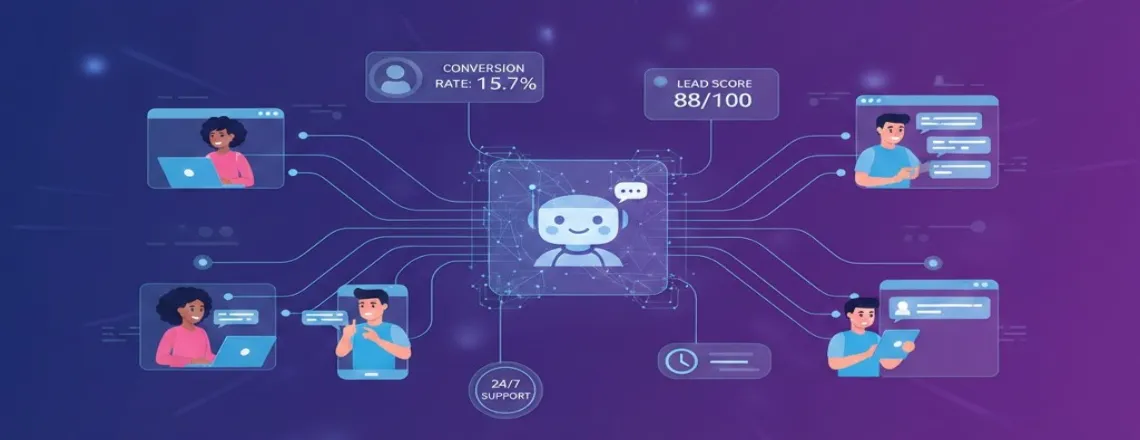
This step-by-step guide will walk you through everything you need to know about implementing chatbots for marketing purposes and maximizing their impact on your business.
Why Use Chatbots in Marketing?
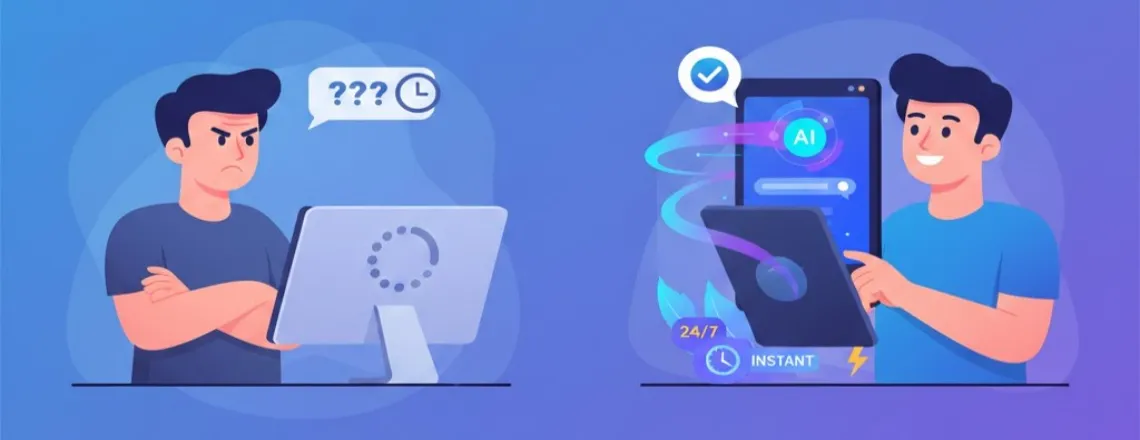
Chatbots reduce friction at every stage of the customer journey, scale personalized outreach, improve lead qualification, and provide 24/7 engagement that human teams simply cannot match. The question is no longer whether to use chatbots, but how to deploy them strategically to enhance your marketing efforts.
In 2025, advanced AI-powered chatbots can handle complex queries, automate workflows, and integrate seamlessly across channels, including web, mobile, social media, and messaging apps. These conversational AI systems have become sophisticated enough to understand context, generate relevant content, and guide users through the sales funnel with remarkable precision.
Top Benefits of Chatbot Marketing
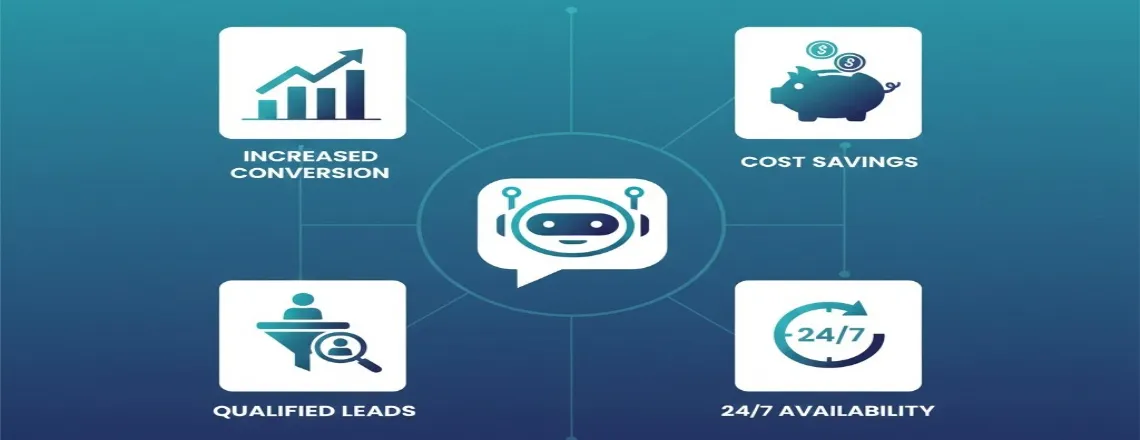
When you use chatbots in marketing effectively, you unlock several competitive advantages:
Higher conversion rates through real-time assistance and conversational CTAs. A well-designed chatbot can instantly respond to visitor questions and guide potential customers toward conversion actions.
Significant cost savings by automating repetitive support inquiries and lead capture processes. Marketing chatbots can handle hundreds of simultaneous conversations.
Better audience segmentation via conversational data and behavioral signals. Every chatbot interaction provides valuable insights into customer needs and preferences.
Enhanced lead generation capabilities that qualify prospects automatically and route high-value leads to your sales team immediately.
Understanding Different Types of Chatbots
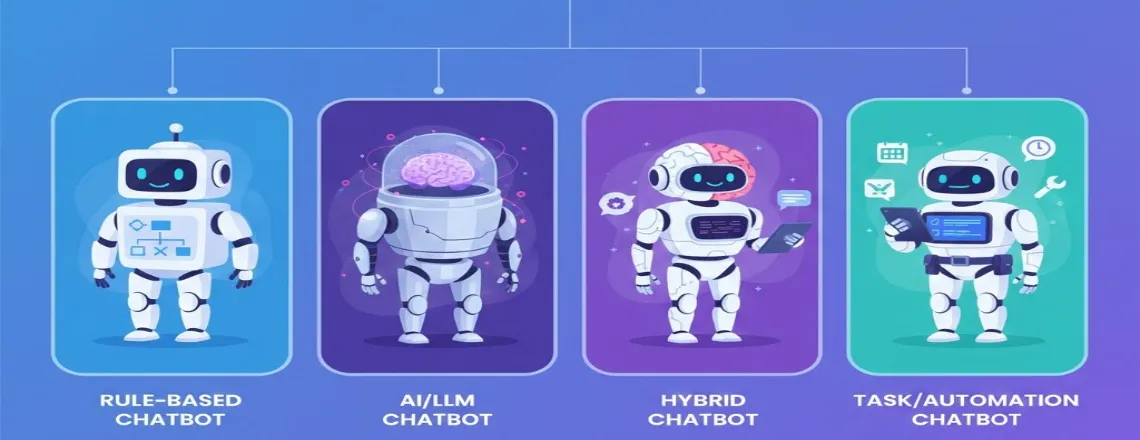
Before you create a chatbot, it’s essential to understand which type of chatbot best serves your marketing needs.
Rule-based bots follow simple decision trees for FAQs and structured lead capture. These chatbots provide predictable responses and work well for handling common questions with straightforward answers.
AI/LLM chatbots leverage advanced language models for open-ended conversation, contextual answers, and dynamic content generation. These AI chatbots can understand nuance and adapt their responses based on conversation flow.
Hybrid bots combine rules and AI for the best of both worlds—predictable actions for critical workflows plus flexible responses for complex inquiries.
Task/automation bots integrate deeply with backend systems to handle booking, checkout, and form-filling. These chatbots streamline specific marketing tasks and create seamless user experiences.
Step-by-Step Process for Chatbots in Marketing
Step 1: Define Goals and Audience
The foundation of effective chatbot marketing begins with crystal-clear objectives. Start with measurable goals such as increasing marketing qualified leads (MQLs), reducing support tickets, shortening the sales cycle, or boosting demo signups.
Map user intent and channel preference carefully. Are your visitors browsing casually, actively researching solutions, or ready to buy? The answers will shape your entire chatbot strategy.
Key questions to answer: What specific conversion action matters most to your marketing campaign? Which pages or channels will host the chatbot? What constitutes an acceptable handoff to human agents?
Step 2: Choose the Right Chatbot Platform
Selecting the best chatbot platform is crucial for long-term success. Consider these essential criteria:
- Channel support: Can the platform deploy chatbots across your required channels?
- AI quality: What AI model powers the chatbot? How well does it understand context?
- Integration capability: Does it connect with your CRM, marketing automation tools, and analytics?
- Security and compliance: Does the chatbot tool meet data protection requirements?
- Cost and scalability: How does pricing scale with usage?
Popular 2025 options include enterprise cloud vendors offering fine-tuning capabilities, specialist conversational marketing platforms, and open-source stacks for complete control.
Step 3: Design Conversations That Convert
This is where chatbot marketing strategies come to life. Creating an effective chatbot requires thoughtful conversation design.
Define a clear primary objective for each conversation flow. Whether you want to book a demo or answer pricing questions, every chatbot interaction should have a purpose aligned with your overall marketing goals.
Lead with helpful microcopy that sets the right tone. For example: “Hi, I’m Ava, here to help. Are you exploring solutions, comparing pricing, or ready to talk to sales?”
Use progressive disclosure to avoid overwhelming visitors. Offer choices first, then expand based on responses.
Design fallback and escalation paths for when the chatbot doesn’t understand or when users need human assistance. Ensure that chatbot interactions don’t become dead ends.
Keep flows short and use CTAs that map directly to your conversion metrics.
Step 4: Personalization and Data Use
Modern marketing chatbots excel at personalization when given the right data. Use first-party data and session signals to personalize greetings, product suggestions, and timing. A chatbot can offer tailored recommendations based on browsing behavior or past purchases.
However, respect for privacy must be paramount. Collect minimal personally identifiable information (PII), clearly disclose how you use chatbot data, and offer easy opt-outs. Leverage CRM IDs to surface past interactions and tailor offers appropriately.
Step 5: Integrate and Automate
The true power of chatbots to enhance marketing effectiveness comes through integration. Connect your chatbot to your CRM, marketing automation platform, analytics tools, and support infrastructure.
Automate critical marketing tasks like lead scoring, contact tagging, support ticket creation, and campaign triggers. When a chatbot interaction indicates high purchase intent, it should automatically notify sales and trigger personalized email marketing sequences.
Step 6: Test, Measure, Iterate
Implementing a chatbot is just the beginning. Continuous optimization separates effective AI implementations from failed experiments.
Track these critical KPIs: conversion rate improvements, lead generation quality, containment rate (questions resolved without human intervention), time to resolution, customer satisfaction scores, and retention impact.
Run A/B tests on opening messages, CTAs, and personalization approaches. Use conversation transcripts and intent classification to refine flows continuously and improve chatbot performance systematically.
Legal, Ethics, and Privacy: Must-Haves for 2025
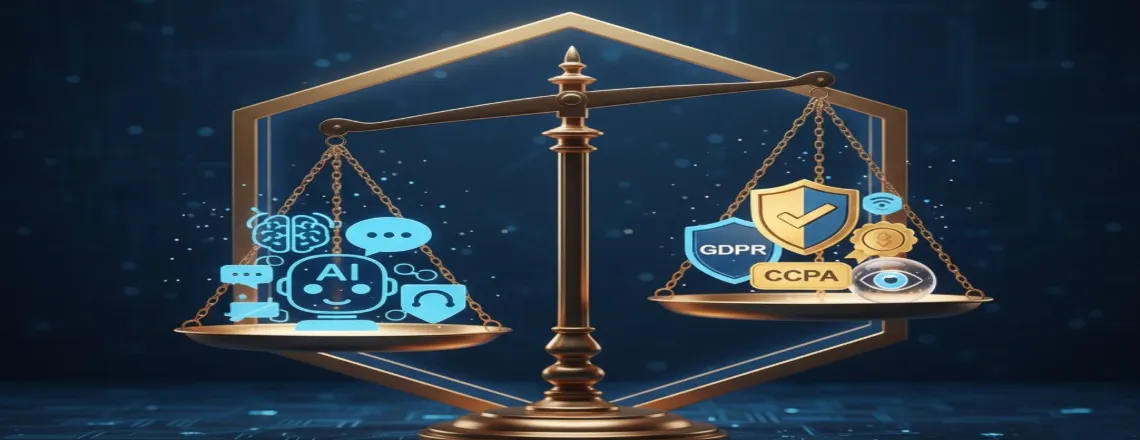
As AI chatbots become more sophisticated, ethical deployment becomes more critical. Chatbots in marketing must operate transparently and responsibly.
Disclose AI use clearly; users should know they’re interacting with a chatbot. Obtain explicit consent for data collection and comply with all regional laws, including GDPR and CCPA/CPRA. Secure data in transit and at rest, and maintain an easy path to escalate to a human when needed.
Common Mistakes to Avoid
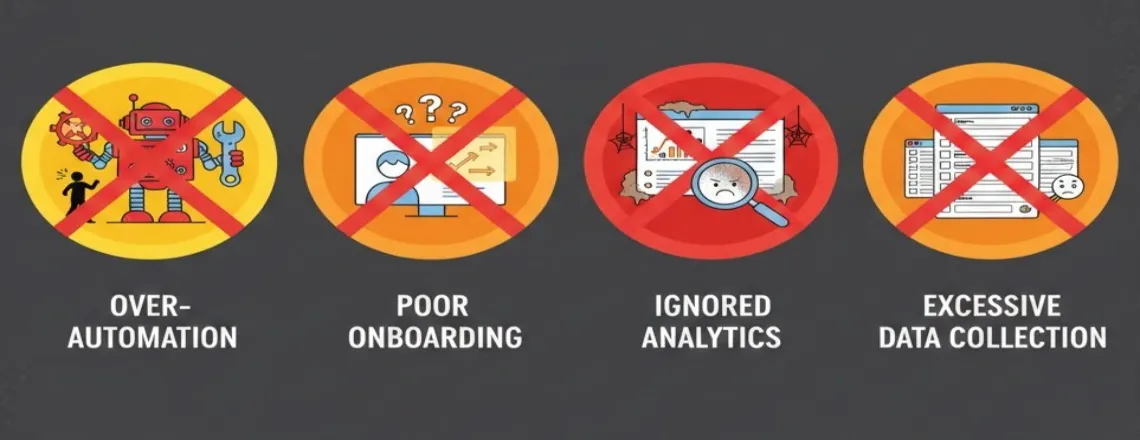
Over-automating sensitive conversations without a human fallback. While chatbots can handle many inquiries, some situations require human empathy. Know when your chatbot doesn’t have the capability to handle a conversation appropriately.
Poor onboarding, where users don’t understand the chatbot’s capabilities. Set clear expectations from the first interaction.
Ignoring conversation analytics. Regular analysis of chatbot interactions is essential for continuous improvement.
Collecting too much data upfront. Asking for excessive information increases friction and drives drop-offs.
High-Impact Use Cases with Marketing Examples
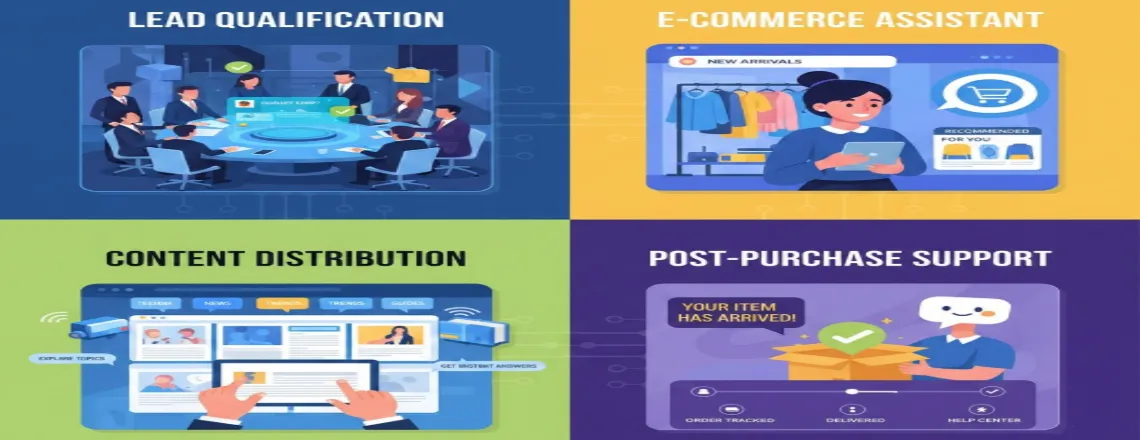
Lead qualification: AI chatbots for lead generation ask targeted qualification questions, score leads, and book sales calls automatically. This use case delivers one of the clearest benefits of chatbot marketing.
E-commerce assistant: Marketing chatbots guide customers through product selection, answer sizing questions, and recover abandoned carts with dynamic offers. A chatbot can help shoppers find exactly what they need while upselling complementary products.
Content distribution: The chatbot suggests articles, webinars, and personalized resources based on visitor intent. This transforms your chatbot into a content marketing engine that guides potential customers through educational material.
Post-purchase support: Chatbots handle returns, order status checks, and upsell warranties or accessories, reducing support costs while identifying cross-sell opportunities.
Ready-to-Use Copy Templates
Greeting (web): “Hi—I’m Ava, here to help. Are you exploring solutions, comparing pricing, or ready to talk to sales?”
Lead capture flow: “Great—can I get your name and email so I can share a tailored demo time? If you prefer, choose a time on our calendar.”
Re-engagement message: “We noticed you checked [product]. Would you like a 10% coupon or a quick demo? Reply ‘COUPON’ or ‘DEMO’.”
Trends to Watch in 2025
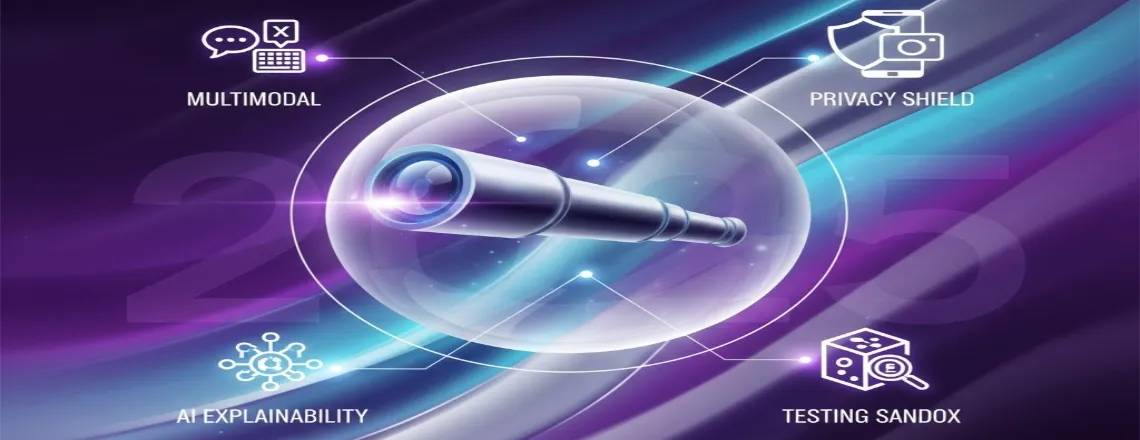
Multimodal bots combining text, voice, and image understanding will become mainstream.
On-device inference for privacy-sensitive interactions addresses privacy concerns while reducing latency.
Responsible AI features, including explainability and hallucination mitigation, ensure accuracy.
Synthetic users and sandbox testing help catch edge cases before public deployment.
Quick Implementation Checklist
- Define 1-3 measurable goals tied to your marketing strategies
- Map user journeys and select channels where your chatbot will operate
- Choose a chatbot platform with the required integrations and security
- Design conversation flows with clear fallback paths
- Set KPIs and configure analytics tracking
- Test with real users and iterate weekly for 30–90 days
Creating Your Chatbot Marketing Strategy
An effective chatbot marketing strategy requires alignment between technology, content, and business objectives. Start with customer research to understand common questions and pain points. Define your chatbot’s personality to match your brand. Create content specifically for chatbot delivery, snackable explanations, and quick guides work best.
Plan for scale from the start. Your chatbot platform should handle growth from hundreds to thousands of conversations without degrading performance. Integrate with your broader marketing strategies so the chatbot amplifies email marketing, digital marketing, and paid advertising efforts rather than operating in isolation.
How AI Agents Are Transforming Chatbot Capabilities

The distinction between traditional chatbots and modern AI agents is significant. An AI agent can reason, make decisions, and take actions autonomously within defined parameters. For marketing purposes, this means sophisticated recommendations based on entire browsing histories, understanding complex multi-part questions, and coordinating across multiple systems.
Using AI chatbots powered by advanced AI models enables conversations that feel genuinely helpful rather than robotic. As these capabilities mature, chatbots use natural language to bridge the gap between what customers want and what businesses can deliver at scale.
Final Thoughts
Chatbot marketing delivers strong results when planned carefully. Start small, track performance, and focus on user experience and privacy. When used correctly, chatbots support rather than replace your marketing team by handling routine inquiries and improving efficiency.
Modern chatbots create consistent, seamless interactions across customer touchpoints. The companies that win in 2025 and beyond will use chatbots as genuine service enhancements, not gimmicks.
Success comes from knowing your customers, designing helpful conversations, and refining based on data. With today’s mature tools and best practices, now is the time to build a thoughtful chatbot marketing strategy. A chatbot is only as effective as the design and strategy behind it, so invest wisely.
Frequently Asked Questions (FAQs)
Chatbot marketing is a strategy that uses automated conversational interfaces to engage customers, qualify leads, provide support, and guide users through marketing funnels. Marketing chatbots operate 24/7 across web, mobile, and messaging platforms to scale personalized interactions.
To build a chatbot, start by defining specific goals (lead generation, support automation, or sales assistance), choose a chatbot builder that integrates with your existing tools, design conversation flows that address customer pain points, and test extensively before full deployment. Most businesses use a chatbot platform rather than building from scratch.
The benefits of chatbot marketing include higher conversion rates through instant engagement, cost savings from automated support, improved lead qualification, better customer data collection, reduced cart abandonment, and 24/7 availability. Chatbots provide scalable personalization that human teams cannot match.
Modern AI chatbots powered by large language models can handle increasingly complex queries, understand context, and provide nuanced responses. However, an effective chatbot always includes clear escalation paths to human agents for sensitive or highly complex situations. The best chatbots know their limitations.
AI chatbots for lead generation qualify prospects by asking targeted questions, scoring responses based on buying intent, capturing contact information naturally through conversation, and automatically routing qualified leads to sales teams. This automation ensures no lead goes unattended, regardless of time or volume.
Rule-based chatbots follow predetermined decision trees and provide scripted responses to specific inputs. AI chatbots use machine learning and natural language processing to understand intent, generate dynamic responses, and handle unexpected queries. Hybrid approaches combine both for reliability and flexibility.
Costs vary widely based on complexity and platform. Basic chatbot builders start around $50–200 monthly for small businesses, while enterprise conversational AI platforms can cost thousands per month. Custom development requires additional investment but provides complete control. Calculate ROI by measuring support cost savings and conversion improvements.
Track conversion rates, lead quality scores, containment rate (issues resolved without human help), average resolution time, customer satisfaction scores, and revenue attributed to chatbot interactions. Compare these metrics to pre-chatbot baselines and continuously A/B test conversation flows to improve chatbot performance.

Daniel Wong
Technical Content Writer
My name is Daniel Wong, a Technical Content Writer from Singapore with a strong interest in AI-powered tools and digital automation. At ChatBoq AI, I focus on creating practical and easy-to-follow content that helps businesses and individuals understand how chatbots work and how to use them effectively.
I enjoy breaking down complex topics like natural language processing (NLP) and conversational AI into simple guides that anyone can follow. Each article is based on careful research, real-world examples, and testing to ensure accuracy and reliability.
Through ChatBoq AI, my goal is to provide readers with trustworthy insights, step-by-step tutorials, and the latest trends in chatbot technology.
✍️
Expert in AI & Chatbot Technology

Leave A Comment