
All You Need to Know to Use Chatbots in Business: Complete Guide 2025
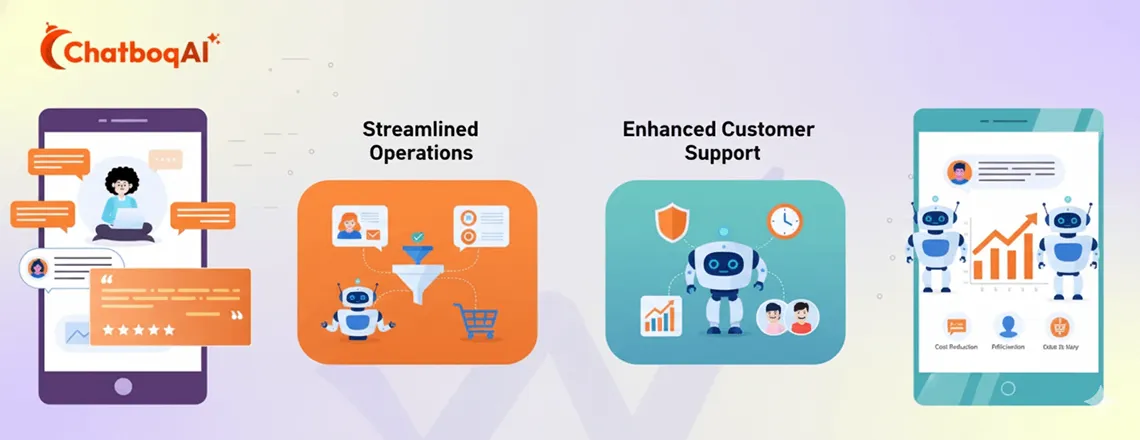
In 2025, chatbots in business are transforming how companies engage with customers and streamline operations. Modern AI chatbots are no longer simple tools; they function as intelligent assistants capable of understanding context, predicting user needs, and delivering personalized solutions. Businesses of all sizes are leveraging chatbot automation to reduce costs, enhance customer support automation, and improve efficiency across marketing, sales, and service channels.
📑 Table of Contents
- All You Need to Know to Use Chatbots in Business: Complete Guide 2025
- What is a Chatbot and Why It Matters in 2025
- Where and How Businesses Use Chatbots
- Best Practices for Chatbot Implementation
- Practical Chatbot Use Cases Across Industries
- How Do Chatbots Work?
- Measuring Chatbot Performance: Key Metrics to Track
- The Evolution of Chatbots in Business: From Turing to ChatGPT
- Why Businesses Need Chatbots Today
- Benefits of Chatbots in Business
- Common Challenges and How to Overcome Them
- The Future of Chatbots: 2025 and Beyond
- Conclusion
- Frequently Asked Questions (FAQs)
From marketing chatbots that nurture leads to ecommerce chatbots that guide purchases, these digital assistants transform user interactions into seamless experiences. As chatbot platforms evolve, integrating AI into workflows becomes easier, creating measurable business value and stronger customer relationships. Learn more about AI chatbots.
What is a Chatbot and Why It Matters in 2025

A chatbot is an AI-powered assistant that simulates human conversation through text or voice. It helps users find information, make purchases, or receive support, all in real time.
In 2025, business chatbots are essential because they support scalability and enhance efficiency. Companies use customer service chatbots, marketing chatbots, and ecommerce chatbots to handle high volumes of requests without hiring more staff. Chatbot platforms and chatbot frameworks allow businesses to integrate these tools with CRMs, websites, and apps. The rise of conversational AI in 2025 ensures that chatbots are more human-like, creating seamless interactions that boost engagement and loyalty.
Where and How Businesses Use Chatbots
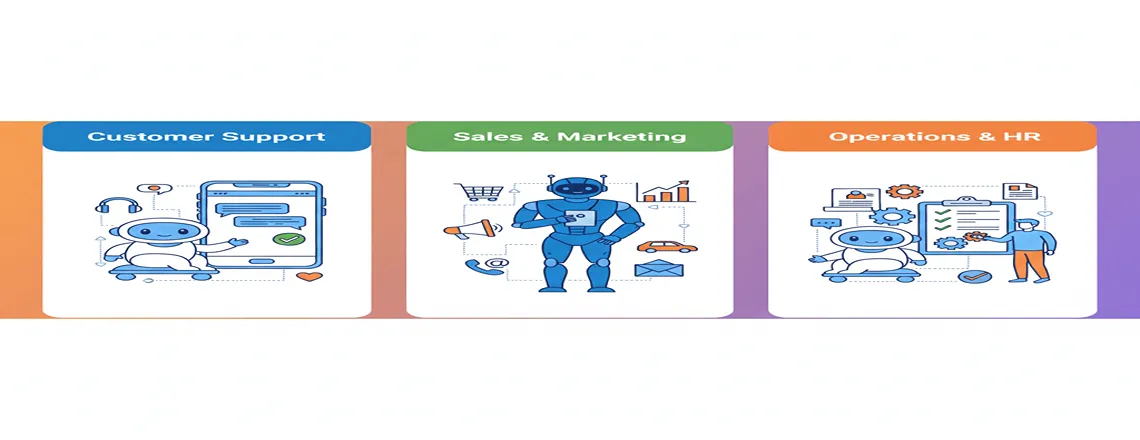
Modern business chatbots are no longer limited to website pop-ups. Companies today deploy them across multiple digital touchpoints, including websites, mobile apps, social media messengers, and even CRM systems. This allows businesses to maintain a consistent, 24/7 presence wherever customers prefer to engage.
Chatbots appear throughout the customer journey, from the pre-sales stage to checkout and post-purchase support. On a company’s website, a customer service chatbot instantly answers FAQs, tracks orders, or resolves common issues without human intervention. In e-commerce, AI-powered chatbots help users find the right products, compare prices, and guide them through payment and shipping details, boosting conversions and reducing cart abandonment.
In marketing, chatbots act as virtual assistants that qualify leads, share personalized offers, and nurture prospects through automated conversations. They can send reminders, product updates, or even integrate with email marketing tools for seamless engagement.
Enterprises also use internal chatbots within CRMs or workplace platforms to automate repetitive workflows, such as scheduling meetings, updating databases, or retrieving customer insights.
Across industries, chatbot applications vary:
- Customer service chatbots handle FAQs, complaints, and live support handovers.
- Marketing chatbots improve lead generation, engagement, and conversions.
- E-commerce chatbots recommend products, track orders, and simplify checkout.
- Healthcare chatbots assist with appointment scheduling and symptom checks.
- Finance and banking chatbots handle account queries and transaction updates.
- Education chatbots support students with assignments, course navigation, and enrollment assistance.
- Travel and hospitality chatbots manage bookings, itinerary changes, and personalized recommendations.
By combining AI, NLP (Natural Language Processing), and automation, chatbots make customer interactions faster, more personalized, and data-driven. Businesses that use chatbot technology effectively see measurable improvements in customer satisfaction, operational efficiency, and sales growth.
Best Practices for Chatbot Implementation
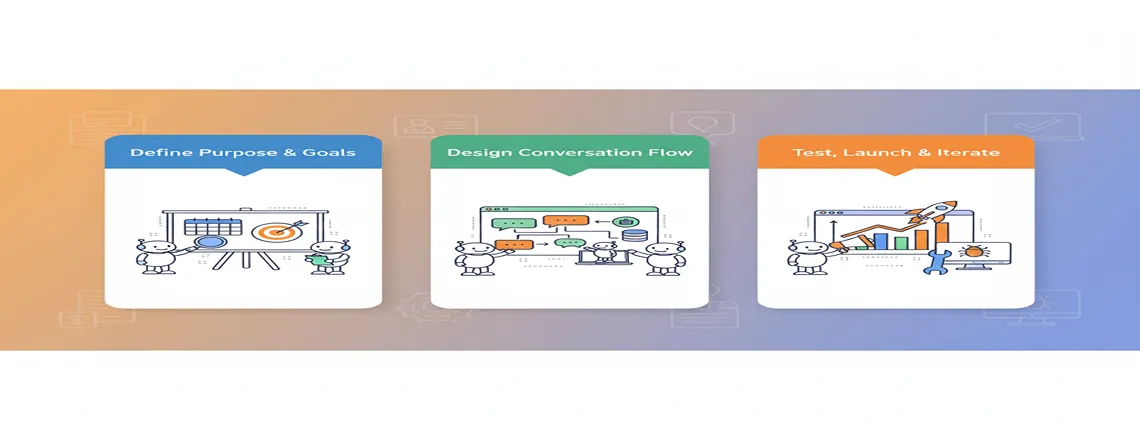
- Align chatbots with customer goals, not just technology
- Ensure human-bot collaboration for complex queries
- Continuously train, monitor, and test the chatbot
- Maintain transparency and data security for trust
- Use feedback loops for continuous improvement
Following these chatbot implementation strategies ensures success and sustainability.
Why Chatbots Are Growing So Popular
The adoption pace reflects the chatbot market growth: global estimates place the market value rising steeply in 2025. Grand View Research. Many businesses choose automation over scaling staff. Chatbots cut costs, improve speed, and allow instant engagement.
Users prefer fast, conversational interactions. The shift toward AI-powered assistants and generative AI chatbots ensures chatbots feel more human. Their appeal also lies in being scalable, always available, and capable of handling volume.
Practical Chatbot Use Cases Across Industries
Chatbots now show value in many sectors: support, marketing, health, finance, education, and travel. The range is vast, and their potential grows every day.
For customer support and service, bots provide instant help, route complex cases, or offer self-service guides. In marketing and lead nurturing, they share content, run quizzes, or capture emails.
In sales and e-commerce, they upsell, cross-sell, and guide users through purchase flows. Healthcare chatbots assist patients, triage symptoms, or remind appointments. Educational chatbots tutor students, answer homework, or aid admissions.
In banking, finance, and insurance, bots help users check balances, file claims, or offer product comparisons. Travel, real estate, and hospitality bots assist booking, recommend itineraries, or manage guest queries.
How Do Chatbots Work?
Understanding how chatbots work helps businesses design better automation. A chatbot processes user input, identifies intent, and sends a suitable response. It relies on NLP (Natural Language Processing), machine learning, and chatbot frameworks.
There are three main types of chatbots: rule-based, AI, and hybrid chatbots. Rule-based bots follow fixed scripts, while AI bots learn from data and adapt dynamically. Hybrid bots mix both approaches, offering the best of reliability and intelligence.
Comparison: Rule-Based, AI, and Hybrid Chatbots
| Types | Strengths | Weaknesses | Best Use Case |
| Rule-based chatbots | Predictable, controlled | No learning | Simple tasks, compliance workflows |
| AI chatbots | Adaptive, learns context | Can make errors | Personalization, open dialogue |
| Hybrid chatbots | Balanced reliability + flexibility | More complex setup | Most business scenarios |
Measuring Chatbot Performance: Key Metrics to Track
Evaluating chatbot performance ensures businesses derive maximum value. Track Customer Satisfaction Score (CSAT), containment rates, average response and resolution times, and engagement metrics. Analyze how AI chatbots handle FAQs, automate tasks, and improve sales. By measuring these KPIs, businesses can refine workflows, identify gaps, and enhance chatbot personalization.
A metric chart example includes resolution time, engagement percentage, and conversion rates, helping businesses assess the ROI of chatbot deployment for websites.
The Evolution of Chatbots in Business: From Turing to ChatGPT
The chatbot history timeline began with early programs like ELIZA and PARRY. These simple rule-based chatbots could mimic conversation, but lacked understanding.
Later, virtual assistants like Siri, Alexa, and Cortana made AI accessible, enabling users to complete tasks by voice.
Today, generative AI chatbots such as ChatGPT, Claude, and Gemini are redefining the future of chatbots, offering personalized, context-aware experiences.
By 2025, multimodal chatbots can process text, voice, and images, transforming how we communicate online.
Why Businesses Need Chatbots Today
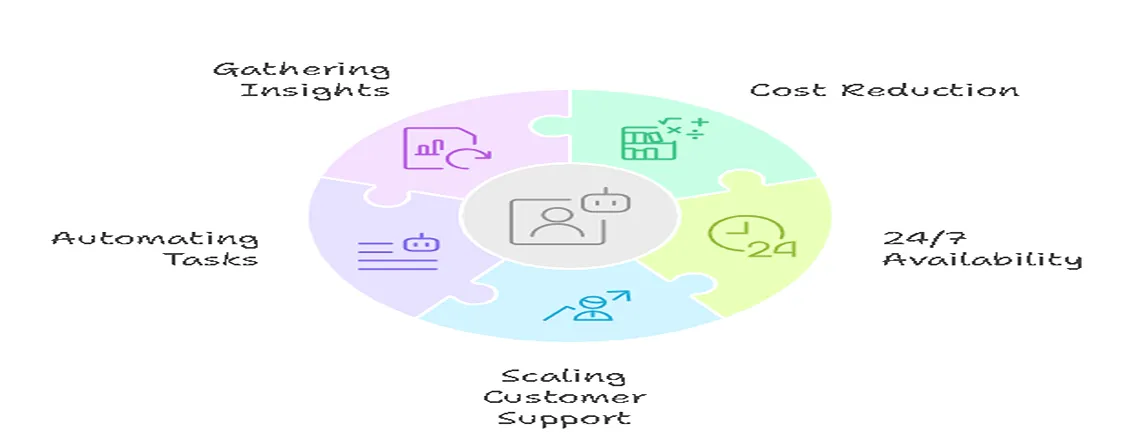
Rising customer expectations and support costs make automation essential. Chatbots for 24/7 customer support enable businesses to operate around the clock, handling thousands of chats without extra staff.
They also improve customer support automation, streamline workflows, and reduce operational costs, making them indispensable in 2025.
Cost Reduction and 24/7 Availability
Human teams can’t work nonstop, but AI chatbots can. They operate day and night, reducing costs while maintaining quality.
Scaling Customer Support Without Hiring More Staff
Scaling with people is costly and slow. Chatbots let companies expand instantly, managing thousands of interactions at once.
Automating Repetitive Tasks and FAQs
Bots handle password resets, order tracking, and appointment booking. This chatbot automation saves time and improves efficiency.
Gathering Insights from Customer Data
Each bot conversation is data. You can analyze patterns, pain points, and preferences. That feeds product strategy, marketing, and personalization.
Benefits of Chatbots in Business
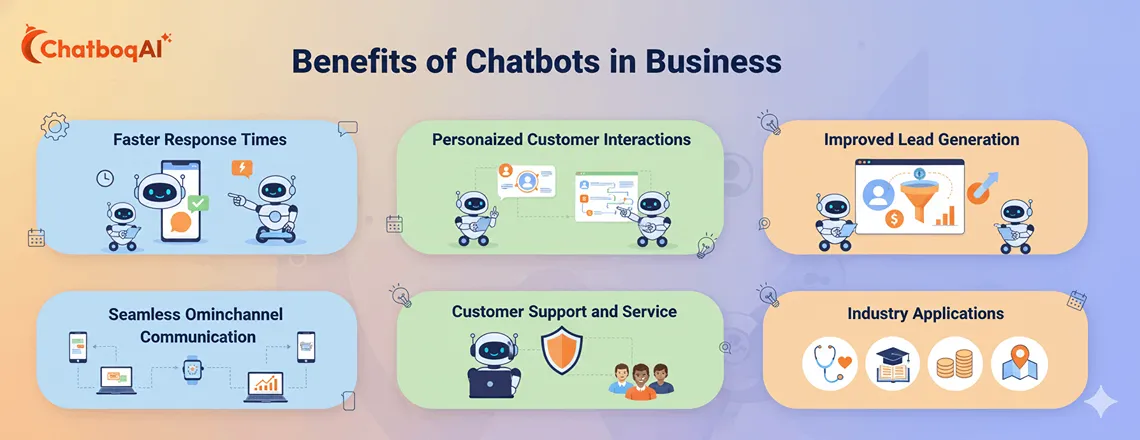
Chatbots bring many wins. They speed response, free human agents, and deliver personalization. They also drive leads, improve engagement, and increase efficiency.
Faster Response Times
Chatbots reply in milliseconds. No waiting, no queue. That instant reaction improves trust and conversion.
Personalized Customer Interactions
Bots powered by AI and data can adapt tone, product suggestions, and responses to each visitor. That is chatbot personalization.
Improved Lead Generation and Qualification
Chatbots ask qualifying questions, filter leads, and schedule calls. That becomes a chatbot for lead generation in your funnel.
Seamless Omnichannel Communication
Bots operate across channels, website chat, social media, and messaging apps, without losing context. That ensures coherence in the chatbot customer journey.
Customer Support and Service
AI-powered customer service chatbots allow instant answers to queries, reduce wait times, and enhance satisfaction.
Marketing and Lead Nurturing
Chatbot automation for lead generation provides prospects with relevant content, promotions, and follow-ups without manual effort.
Sales and E-commerce
Ecommerce chatbots handle inquiries, suggest products, and guide users through the checkout process.
Healthcare and Telemedicine
Healthcare chatbots book appointments, provide symptom checks, and offer reminders for medications.
Education and E-Learning
Chatbot applications in education help students with homework, exams, and course navigation.
Banking, Finance, and Insurance
Finance chatbots process account queries, transactions, and policy support efficiently.
Travel, Real Estate, and Hospitality
Virtual assistants provide booking assistance, recommendations, and personalized travel or stay suggestions.
Boost your sales and engagement with Chatboq AI-powered assistants. See how it works. Start Demo
Common Challenges and How to Overcome Them
Chatbots are powerful, but they come with pitfalls. Understanding them helps you build stronger systems.
One major issue is a lack of empathy and emotional understanding. AI can misinterpret frustration or sarcasm. Another is language and contextual memory issues; bots sometimes lose track in long conversations.
Data security and privacy are big in 2025. You’ll face security and privacy concerns when bots handle sensitive data. Also, knowing when to hand off to a human agent is crucial. A bot that can’t escalate gracefully will frustrate users.
By designing fallback paths, logging, and supervised escalation, you can mitigate these challenges.
The Future of Chatbots: 2025 and Beyond
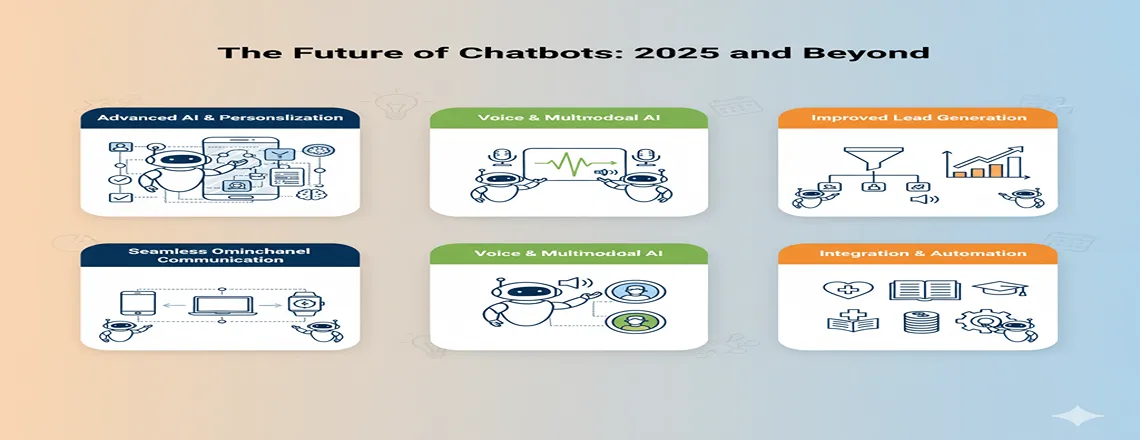
- Multimodal AI assistants: Text, voice, and visual interactions
- Generative AI: Smarter, personalized, context-aware conversations
- Lead generation automation: AI chatbots enhance sales and funnel efficiency
- Human + AI hybrid support: Combines empathy with efficiency
Companies using Chatboq.com gain a competitive edge through intelligent, real-time, and personalized customer experiences.
Conclusion
Chatbots in business are essential for 2025 and beyond. By understanding what a chatbot is, how chatbots work, and chatbot applications across industries, companies can leverage AI chatbots, hybrid models, and chatbot automation to improve efficiency, scale operations, and boost customer satisfaction. Explore Chatboq today to deploy intelligent AI-powered assistants that transform workflows, enhance lead generation, and revolutionize the customer experience.
Boost your business with Chatboq AI chatbots today!
Frequently Asked Questions (FAQs)
An AI chatbot is software that interacts with users via text or voice to automate tasks, support, or engagement.
Chatbots improve efficiency, reduce costs, scale support, and deliver personalized customer experiences.
Rule-based, AI-powered, and hybrid chatbots handle structured, adaptive, or combined interactions.
AI chatbots learn context and adapt responses, while rule-based bots follow fixed scripts.
Yes, modern AI chatbot platforms connect with websites, apps, CRMs, and social media channels.
E-commerce, healthcare, finance, education, travel, and customer service see significant gains.
Yes, they handle repetitive queries, allowing human staff to focus on complex tasks.
Key metrics include response time, resolution rate, engagement, CSAT, and conversion rate.
Proper implementation ensures data privacy, encrypted communication, and compliance with regulations.

Daniel Wong
Technical Content Writer
My name is Daniel Wong, a Technical Content Writer from Singapore with a strong interest in AI-powered tools and digital automation. At ChatBoq AI, I focus on creating practical and easy-to-follow content that helps businesses and individuals understand how chatbots work and how to use them effectively.
I enjoy breaking down complex topics like natural language processing (NLP) and conversational AI into simple guides that anyone can follow. Each article is based on careful research, real-world examples, and testing to ensure accuracy and reliability.
Through ChatBoq AI, my goal is to provide readers with trustworthy insights, step-by-step tutorials, and the latest trends in chatbot technology.
✍️
Expert in AI & Chatbot Technology

Leave A Comment