
Chatbots for Millennials: Why and How Smart Brands Should Be Using Them
Millennials send an average of 67 text messages per day and spend over three hours on messaging apps. For a generation that grew up with AOL Instant Messenger and now lives on WhatsApp, digital conversation is the default mode to communicate with brands.
📑 Table of Contents
- Chatbots for Millennials: Why and How Smart Brands Should Be Using Them
- Understanding the Millennial Consumer
- Why Millennials Actually Want Chatbots
- The Business Case: Why Smart Brands Are Investing
- How to Build an Effective Chatbot Strategy for Millennials
- Common Pitfalls to Avoid
- Real-World Success Stories
- Measuring Success: Metrics That Matter
- Conclusion
- Frequently Asked Questions (FAQs)
Traditional customer service through phone trees and email tickets feels archaic to millennials who expect instant responses. Chatbots for millennials and AI-powered conversational interfaces align perfectly with how this demographic wants to interact. This article explores why chatbots for millennials are essential and provides a blueprint for implementation.
Understanding the Millennial Consumer
Millennials, those born roughly between 1981 and 1996, represent the largest generation in the workforce and wield approximately $2.5 trillion in global spending power. But their value extends beyond current purchasing capacity; their brand loyalty and digital influence shape market trends across industries.
The behavioral traits of millennials set them apart as true digital natives. They don’t just use technology; they think through it. Multi-tasking across devices is second nature, and millennials expect brands to keep pace with their connected lifestyle. Unlike previous generations, they prioritize experiences over possessions and value authenticity over polish. They can detect corporate-speak from a mile away and gravitate toward brands that communicate like humans, not press releases.
The “always-on” mentality defines their interaction expectations. Millennials don’t compartmentalize their lives into business hours and personal time. They shop at midnight, research purchases on their website or app during lunch breaks, and expect customer support channels whenever a question arises. Their mobile-first behavior means that any customer touchpoint must work flawlessly on smartphones because that’s where they live digitally.
Why Millennials Actually Want Chatbots
Half of millennials say they prefer messaging for customer service interactions over traditional phone calls. Studies consistently show that 60% of millennials have used chatbots, and millennials prefer text-based communication over voice calls. This isn’t about settling for inferior service; it’s about fundamentally different communication values.
Self-service appeals to their independent nature. Millennials believe they can solve a problem without contacting live support from a human representative. Text-based channels such as chatbots and FAQs are valuable tools for customers who want to handle many different types of requests independently, from managing account information and settings to making purchases and bookings.
24/7 availability matches their lifestyle. Whether it’s a 2 AM question about a product specification or a Sunday afternoon order tracking query, chatbots provide instant access. Millennials want to get an instant response from a chatbot rather than wait for business hours. This aligns with millennial shopping habits, which don’t respect traditional retail hours.
Speed matters more than formality. Millennials will trade lengthy pleasantries for quick, efficient resolutions. A bot that answers their simple questions in 30 seconds and helps them get a faster resolution beats a friendly phone call that takes 10 minutes. The promise of a well-designed chatbot is speed without sacrificing accuracy.
Digital communication reduces social anxiety. Not every millennial wants to talk on the phone, especially about routine matters. Chatbots and other self-service options provide a comfortable, pressure-free way to interact with brands without the social dynamics of human conversation.
Messaging feels native and familiar. This generation learned to communicate digitally through AIM buddy lists and text messages. Conversational AI feels like a natural extension of how they already engage with customers in their personal lives.
The Business Case: Why Smart Brands Are Investing

Chatbots for millennials deliver more than just improved communication—they offer measurable business value. Beyond appealing to millennial preferences, chatbot strategy delivers results that justify the investment. Many businesses are discovering that the use of AI can transform their customer service operations.
Cost efficiency scales beautifully. A single AI chatbot can handle customer interactions with thousands of simultaneous conversations. The ability to handle customer service issues at scale, reducing the number of incoming calls and resulting in fewer support tickets, means brands using this technology see dramatic cost reductions. This doesn’t mean eliminating human support; it means you can use customer service automation to handle many requests to an automated channel, freeing humans for complex cases that require the technical knowledge to answer sophisticated questions.
Response times drop dramatically. While email might take 24 hours and phone wait times can stretch to 10 minutes, AI-powered chatbots respond instantly. By directing many requests to an automated channel, overall support response times improve significantly. This improvement in response time across all channels directly correlates with higher customer satisfaction scores among millennials, creating a better experience that builds customer experience and overall trust.
Data collection becomes seamless. Every chatbot interaction generates valuable data about customer queries and pain points. This information feeds back into product development, marketing strategies, and service improvements in ways that traditional customer service channels can’t match.
Competitive differentiation in crowded markets. As consumer expectations evolve, brands without artificial intelligence capabilities increasingly feel outdated. The widespread use of AI assistants means customers who do not use these tools may find competing services more responsive. Early adopters gain a competitive edge by meeting millennials where they are.
Leading brands report impressive returns on their AI investments. Sephora’s chatbot generated over 11 million messages in its first 10 months, while companies using bots for customer service report up to 30% cost savings compared to traditional support channels. The customer experience promise of these implementations shows that response times will be faster, and overall trust in your company increases when you bridge the gap between self-service and live support effectively.
How to Build an Effective Chatbot Strategy for Millennials
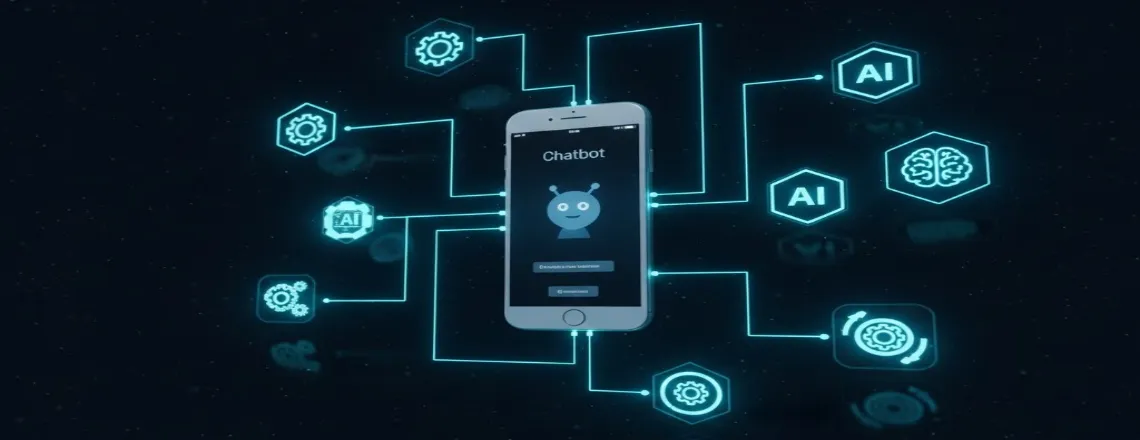
Understanding chatbots for millennials requires more than just deploying technology; it demands strategic thinking aligned with millennial preferences and behaviors.
Know Your Use Cases
Before introducing a chatbot, identify specific problems it should solve. AI chatbots work best when brands using them focus on clear use cases. The most effective implementations start focused rather than trying to do everything:
- Customer service and FAQs: Answering common customer queries about hours, policies, shipping, and returns
- Product recommendations: Guiding customers through selection based on preferences and needs
- Order tracking and updates: Providing real-time information without requiring a login to multiple systems
- Feedback collection: Gathering customer insights through conversational surveys
- Content delivery: Sharing relevant blog posts, videos, or resources based on user interests
Design Principles That Resonate
Creating a bot that millennials actually want to use chatbots and other self-service tools requires thoughtful design that balances efficiency with personality. The experience promise of a well-designed chatbot lies in its ability to feel human while delivering machine efficiency.
- Conversational tone is non-negotiable. Your chatbot should sound like a helpful colleague, not a corporate FAQ page. Use contractions, natural language, and even appropriate humor. If your brand voice is friendly on social media, your bot should match that authenticity.
- Personality makes the interaction memorable. Give your AI chatbot a name and a consistent character. Whether it’s witty, earnest, or quirky, personality helps millennials feel like they’re interacting with something human-adjacent rather than just software. This is what chatbots can help achieve, turning routine interactions into engaging experiences.
- Response speed sets the baseline. Aim for responses under one second for basic queries. Millennials expect instant gratification, and even slight delays can create frustration when they know they’re talking to a bot.
- Visual elements enhance engagement. Don’t rely solely on text. Incorporate GIFs, emojis, product images, and quick-reply buttons. Millennials communicate visually, and your conversational AI should too.
- Mobile-first design is mandatory. Test extensively on smartphones. Ensure buttons are easily tappable, text is readable, and the customer experience feels natural on smaller screens where most interactions will occur.
- Easy escalation preserves trust. Always provide a clear path to live support from a human when the chatbot reaches its limits. The gap between self-service and live support should be seamless. Nothing frustrates millennials more than being trapped in an unhelpful automation loop without access to the attention of a live agent when needed or time for a live agent to resolve complex customer service issues.
Choose the Right Platforms
Deploy your AI bot where your millennial audience already spends time:
- Facebook Messenger: With over 1.3 billion users, it’s the largest chatbot platform, and where many millennials already message businesses
- Instagram Direct: Ideal for visual brands and seamlessly integrates with shopping features
- WhatsApp Business: Popular among millennials internationally, and offers end-to-end encryption
- SMS/text messaging: Universal reach without requiring any app downloads
- Website live chat: Captures visitors at the moment of highest intent
The best approach often involves multiple platforms with a unified artificial intelligence backend, ensuring a consistent customer experience wherever customers initiate conversations. This strategy helps you use your customer service resources more efficiently while maintaining quality.
Personalization and AI Capabilities
Generic chatbot experiences feel impersonal and unhelpful. Leverage conversational AI and customer data to create tailored interactions that represent millennials and the customer experience they demand:
Use customer purchase history, browsing behavior, and previous conversations to contextualize responses. If someone asks about skincare products and previously bought moisturizer for sensitive skin, your AI should remember and incorporate that information.
Natural language processing (NLP) helps your bot understand intent even when questions are phrased differently. The difference between “Where’s my order?” and “Has my package shipped yet?” is negligible to humans but can trip up basic chatbots. Quality chatbot technology with advanced NLP makes conversations feel natural.
Predictive recommendations show that your artificial intelligence is thinking ahead. If someone inquires about a camera, proactively suggesting compatible lenses or memory cards demonstrates helpful intelligence rather than a passive response. This is how a chatbot makes the interaction valuable by anticipating needs.
The key is balancing the use of customer service automation with authenticity. Millennials can tell when AI is doing the heavy lifting, and that’s fine as long as it’s genuinely helpful rather than creating more friction or strain on other customer support channels.
Integration with Broader Marketing Strategy
Your AI chatbot tool shouldn’t exist in isolation. It needs to work harmoniously with other marketing channels:
Ensure omnichannel consistency so conversations can start on Instagram, continue via email, and conclude on your website without losing context. Integrate with your CRM system, so customer service representatives have a complete conversation history when they take over from the bot, ensuring seamless customer service interactions.
Align chatbot promotions and messaging with your broader social media campaigns. If you’re running a sale, your AI assistants should know about it and proactively mention it when relevant. Coordinate with email marketing so customers aren’t receiving contradictory information across channels.
Track everything. Use analytics to understand where conversational exchanges succeed or fail, which questions stump your chatbot, and what paths lead to conversions. This data should inform continuous improvements to the customer experience and help you use the chatbot more effectively.
Common Pitfalls to Avoid

Even well-intentioned AI chatbot implementations can backfire if you make these mistakes:
- Over-automation without human backup creates customer service nightmares. If your bot can’t handle customer service issues beyond basic queries, make reaching support from a human representative simple and quick. Otherwise, you’ve just added an extra frustrating step.
- Robotic or overly formal language kills engagement with millennials. If your chatbot sounds like a legal document, it’s worse than no bot at all.
- Ignoring context and conversation history forces customers to repeat themselves, one of the most annoying aspects of traditional customer service. Your AI should remember what was said 30 seconds ago.
- Poor handoff to human agents wastes the customer’s time and the efficiency gains you’ve achieved. When transferring to a human, pass along the conversation history so customers don’t start over.
- Not testing across devices means you might build a customer experience that works beautifully on desktop but fails on mobile, where the majority of interactions happen.
- Neglecting to update and improve turns your chatbot into a liability. Customer needs evolve, products change, and your AI must keep pace.
Real-World Success Stories
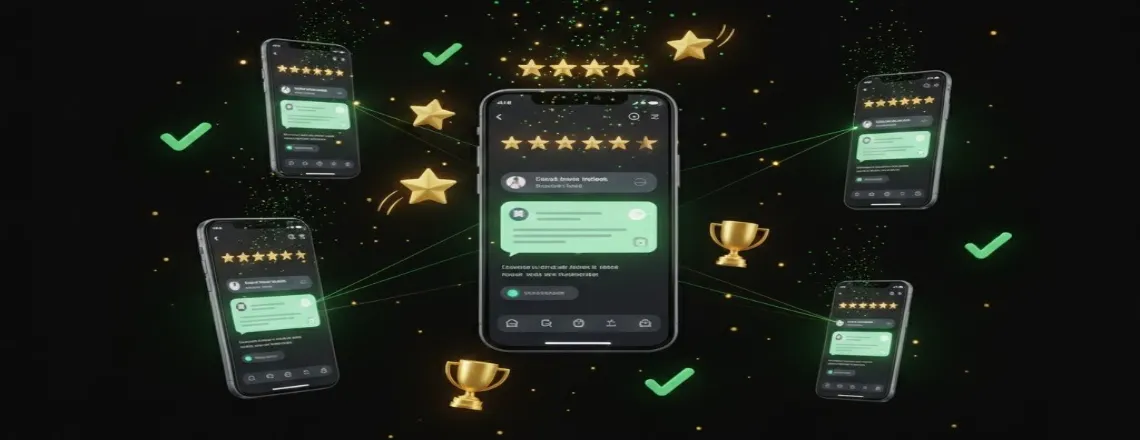
Sephora revolutionized beauty retail with its conversational AI on Kik and Facebook Messenger, offering makeup tutorials, product recommendations, and a virtual artist feature that lets users try on products digitally. The chatbot creates an engaging customer experience that drives both online and in-store purchases, demonstrating the valuable tools for customers that AI can provide.
- H&M deployed an AI bot that acts as a personal stylist, asking about preferences and occasions to recommend complete outfits. This conversational approach to product discovery increased engagement and basket sizes among millennial shoppers.
- Domino’s made ordering pizza as simple as sending an emoji. Their AI chatbot works across Facebook Messenger, Twitter, text, and smart speakers, meeting customers on whatever platform is most convenient. The result is higher-order frequency and customer satisfaction.
- Bank of America’s Erica has handled over 1 billion client requests, helping millennials with everything from balance inquiries to credit score improvements. By making financial services conversational, they’ve strengthened relationships with younger customers.
The common thread? These brands didn’t just build chatbots; they reimagined customer experiences around millennial communication preferences using artificial intelligence.
Measuring Success: Metrics That Matter
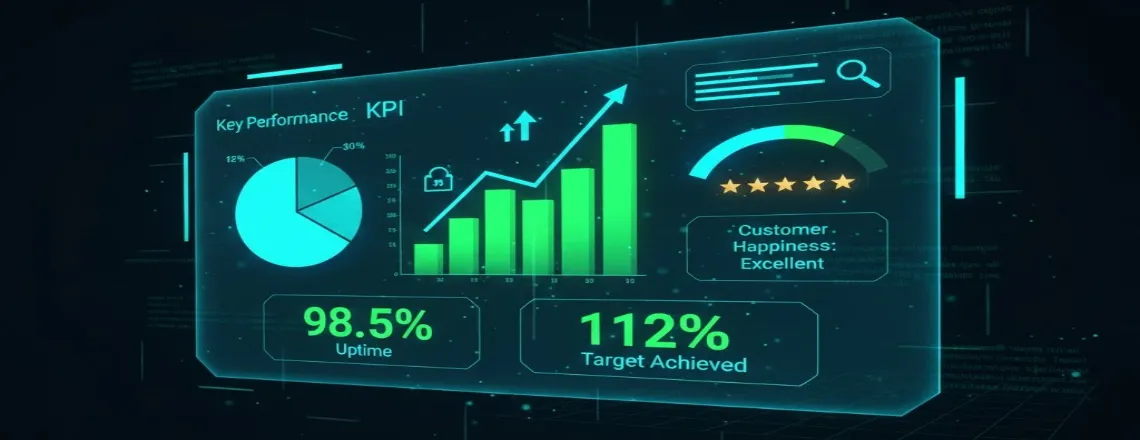
Track these KPIs to evaluate your AI chatbot’s performance:
- Response time and resolution rate: How quickly does your bot respond, and what percentage of inquiries does it fully resolve?
- Customer satisfaction scores (CSAT): Survey users after chatbot interactions to gauge satisfaction
- Engagement and retention rates: How many people return to use chatbots again?
- Conversion rates: What percentage of conversational interactions lead to purchases or desired actions?
- Cost per interaction: Compare AI chatbot costs versus traditional customer service channels
- User feedback and sentiment analysis: What are people actually saying about the experience?
Set benchmarks and continuously iterate based on data, not assumptions about what millennials want.
Conclusion
Chatbots for millennials aren’t futuristic; they’re essential for brands engaging this influential demographic. The brands winning with millennial audiences understand how this generation communicates and deliver convenience without sacrificing authenticity.
Implementing chatbots for millennials starts with solving one customer service pain point. Choose a platform where your customers gather. Design with personality and mobile-first principles. Test, measure, and iterate. The future of brand-customer relationships is conversational, instant, and personalized. Smart brands are building those relationships today.
Frequently Asked Questions (FAQs)
Millennials prefer chatbots for quick queries like order status or store hours. For complex problems or sensitive issues, they still value human interaction. The key is offering both self-service and live support options with seamless transitions.
DIY platforms like ManyChat start at $15–$150 per month. Custom enterprise chatbots range from $30,000 to $150,000+ for development, plus ongoing maintenance. Many brands start with a platform solution to validate ROI before investing in custom builds.
It depends on where your audience is most active. E-commerce brands perform well on Facebook Messenger and Instagram Direct. International audiences often prefer WhatsApp, while B2B brands usually prioritize website chat. Start with one platform, optimize, then expand.
Write conversationally using contractions and casual language. Give the chatbot a clear personality, and use emojis or GIFs where appropriate. Human-written scripts outperform purely technical flows—your chatbot should sound like your social media manager, not a user manual.
Chatbots are excellent at collecting complaint details and routing issues correctly. However, frustrated customers still require human empathy. The best approach is programming the bot to detect frustration and escalate quickly while passing context to human agents.
Platform-based chatbots can be launched in days or weeks. Custom chatbot development typically takes 3–6 months. Launch quickly with essential flows and improve continuously using real user data instead of waiting for a “perfect” build.
No. Chatbots handle repetitive, high-volume questions, freeing human agents to focus on complex issues that require judgment and empathy. The most effective support models combine automation with seamless human escalation.
Key metrics include resolution rate, customer satisfaction (CSAT), response time, containment rate, and conversion rate. Monitoring conversation drop-offs and failure points helps identify where the chatbot needs improvement.
Chatbots are highly effective for B2B use cases like lead qualification, meeting scheduling, product questions, and account support. They provide 24/7 engagement and nurture leads between sales interactions without being overly pushy.
Review chatbot analytics monthly to fix broken flows and confusion points. Update immediately when products or policies change, and conduct quarterly performance reviews to add new use cases and optimize conversations.

Daniel Wong
Technical Content Writer
My name is Daniel Wong, a Technical Content Writer from Singapore with a strong interest in AI-powered tools and digital automation. At ChatBoq AI, I focus on creating practical and easy-to-follow content that helps businesses and individuals understand how chatbots work and how to use them effectively.
I enjoy breaking down complex topics like natural language processing (NLP) and conversational AI into simple guides that anyone can follow. Each article is based on careful research, real-world examples, and testing to ensure accuracy and reliability.
Through ChatBoq AI, my goal is to provide readers with trustworthy insights, step-by-step tutorials, and the latest trends in chatbot technology.
✍️
Expert in AI & Chatbot Technology

Leave A Comment