

Chatbot Interactions: The Key to Seamless User Engagement and Support
In today’s digital-first world, businesses are racing to provide seamless user support and personalized experiences. Chatbot interactions have become the secret weapon behind modern customer communication, blending Artificial Intelligence (AI) and Natural Language Processing (NLP) to deliver human-like interactions that feel natural, instant, and efficient. Whether it’s answering a question, resolving an issue, or suggesting a product, AI chatbots are transforming the way brands connect with people.
📑 Table of Contents
- Chatbot Interactions: The Key to Seamless User Engagement and Support
- Key features
- Understanding Chatbot Interactions
- Why Chatbot Interactions Matter for Modern Businesses
- Implementing Effective Chatbot Solutions
- Best Practices for Engaging Chatbot Interactions
- Challenges and Key Considerations
- The Future of Chatbot Interactions
- Conclusion: The Chatbot Revolution Is Just Beginning
- Frequently Asked Questions (FAQs)
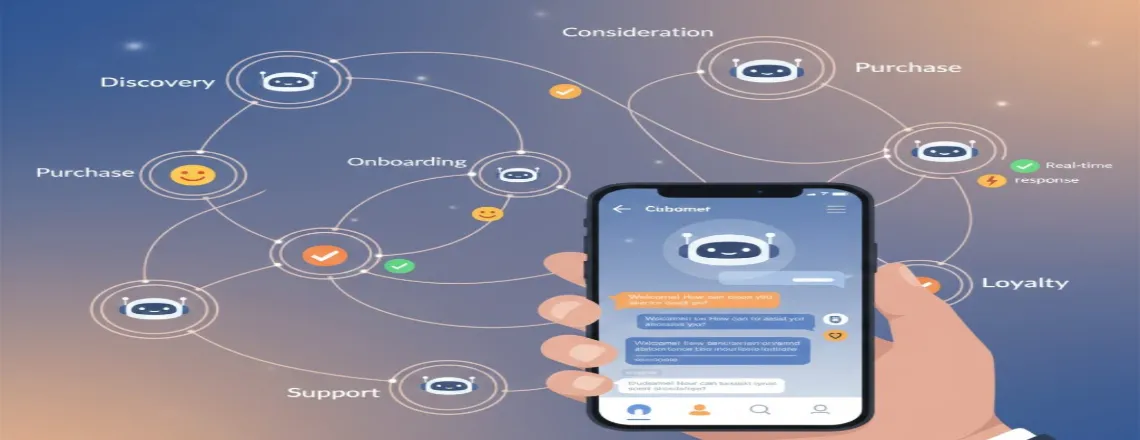
Key features
| Delivers instant and personalized customer support Operates round-the-clock for uninterrupted assistance Learns and adapts to user behavior Reduces response time and boosts satisfaction Integrates smoothly with CRM and platforms |
Understanding Chatbot Interactions

Chatbot interactions are more than just pre-programmed conversations. They’re intelligent, adaptive exchanges powered by Conversational AI that simulate human conversation to make users feel understood and valued. Unlike static websites, virtual assistants act as digital engagement tools that respond dynamically, ensuring every message feels personalized. Through Machine Learning (ML) and Natural Language Processing (NLP), chatbots continuously learn user preferences, tone, and intent.
In the U.S., companies are adopting chatbot technology to bridge the gap between machines and users. This connection creates smooth communication between brands and audiences on messaging platforms like Messenger or WhatsApp. By balancing automation with personalization, businesses achieve faster service without losing the human touch, a core driver of improving user satisfaction and trust.
Types of Chatbot Interactions
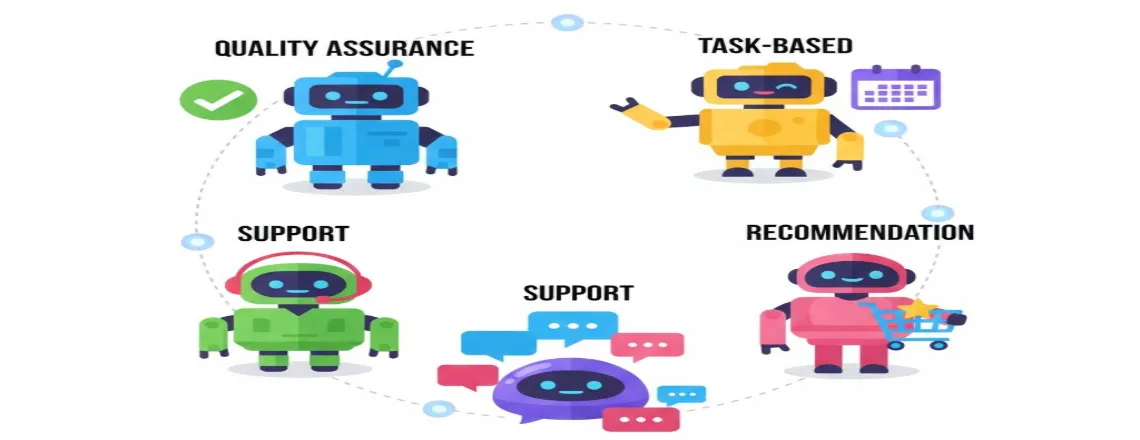
Quality Assurance: These chatbots ensure accuracy and consistency by validating information before it reaches users.
Task-based: Focused bots that help customers book appointments, check orders, or track shipments.
Recommendation: Personalized bots that use data-driven personalization to suggest products or services.
Support: Designed for automated customer service, these bots provide real-time support and resolve issues 24/7.
Conversational: Advanced chatbots built on Conversational AI platforms like Chatboq, IBM Watson, Dialogflow, or ChatGPT that mimic natural human talk.
| Types | Primary Use | Technology Used |
| Quality Assurance | Verify data accuracy | AI + NLP |
| Task-based | Perform quick actions | ML + Automation tools |
| Recommendation | Suggest personalized options | Data analytics |
| Support | Provide customer help | Conversational AI |
| Conversational | Human-like experience | NLP + Emotional AI |
Why Chatbot Interactions Matter for Modern Businesses

In the competitive market, chatbot interactions have become vital to maintaining chatbot user engagement. They allow businesses to scale customer support automation while delivering personalized chatbot experiences that build loyalty and trust. Every interaction adds value to business efficiency through automation, creating smoother workflows across departments.
The Role of Engagement in Digital Success
Successful brands like Amazon and Delta Airlines rely on business chatbot solutions to deliver 24/7 service. This ensures users always find a virtual assistant ready to assist, leading to higher satisfaction and retention rates. This approach ensures users always find a virtual assistant ready to assist, leading to higher satisfaction and retention rates. A strong engagement strategy also improves conversion rates, as customers enjoy faster responses and relevant recommendations that meet their exact needs.
Key Benefits of Chatbot Interactions
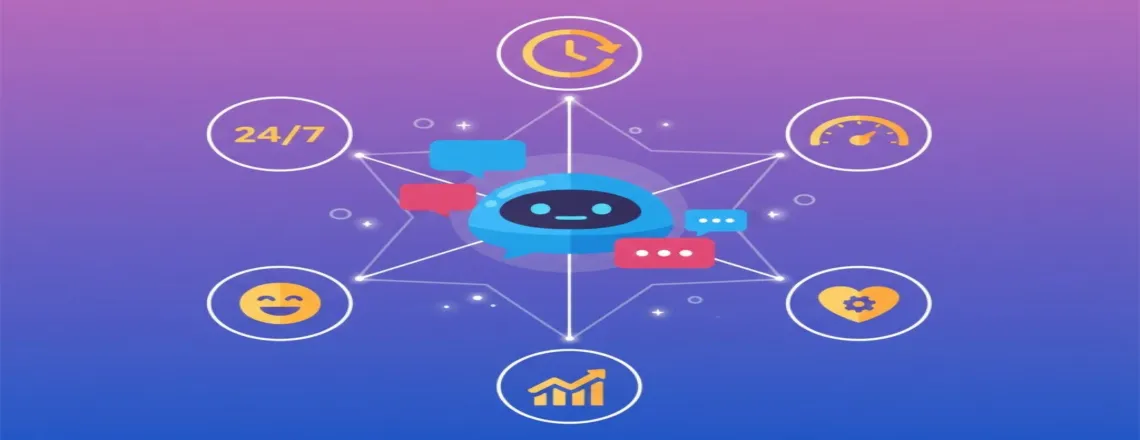
1. Increased Efficiency = Happier Users
A well-designed chatbot automates repetitive tasks that usually consume an agent’s time, like answering FAQs, resetting passwords, or providing order updates. This customer support automation enables human agents to focus on complex issues, thereby improving user satisfaction.
For example, companies like Intercom and Drift have shown that using AI-driven chatbots reduces average response time by up to 80%. Faster answers mean happier users, and happier users are more likely to return. Chatbots also work across multiple messaging platforms, including WhatsApp and Messenger, enabling seamless communication everywhere.
2. Data Collection = Smarter Decisions
Every conversation between a user and a chatbot is valuable data. Through data-driven personalization, chatbots can identify buying behavior, preferences, and problem areas. This data is then integrated into CRM systems to help businesses make smarter decisions and craft better marketing campaigns.
For instance, a virtual assistant ready to assist can analyze customer queries to detect patterns, like frequently asked product questions, helping teams optimize both products and content strategy. This creates a powerful feedback loop that drives continuous business improvement.
3. 24/7 Availability = Higher Retention
Unlike human agents, chatbots never sleep. They provide 24/7 customer service, ensuring real-time support no matter the hour. A user facing an issue at midnight can still receive help instantly through an intelligent chatbot.
This constant availability significantly improves user retention and brand loyalty. In fact, IBM Watson Assistant reports that brands offering round-the-clock automated customer service experience up to 30% higher customer satisfaction compared to those with limited support hours. Conversational AI platforms like Dialogflow and Chatboq deliver instant, context-aware replies, improving user experience by eliminating queues and tedious forms.
4. Immediate Responses = Better UX
Users expect instant replies. Chatbot technology powered by Conversational AI platforms like Dialogflow and ChatGPT can deliver immediate, context-rich answers. They understand user emotions and intent, so they don’t just respond fast; they respond intelligently.
This instant problem-solving improves the user experience (UX) dramatically. Users no longer wait in queues or fill out tedious forms. Instead, they enjoy smooth, human-like interactions that feel natural and conversational. That’s what defines seamless user support today.
5. Personalized Interactions = Stronger Engagement
Today’s chatbots don’t just talk, they listen, learn, and adapt. Through Machine Learning (ML) and Natural Language Processing (NLP), they personalize messages based on user behavior, preferences, and past interactions.
For example, a returning customer might receive product suggestions based on their purchase history. This personalized chatbot experience builds stronger emotional connections, increasing conversion rates and customer loyalty. It’s the art of balancing automation with personalization, giving every user a tailored experience while maintaining efficiency.
Implementing Effective Chatbot Solutions
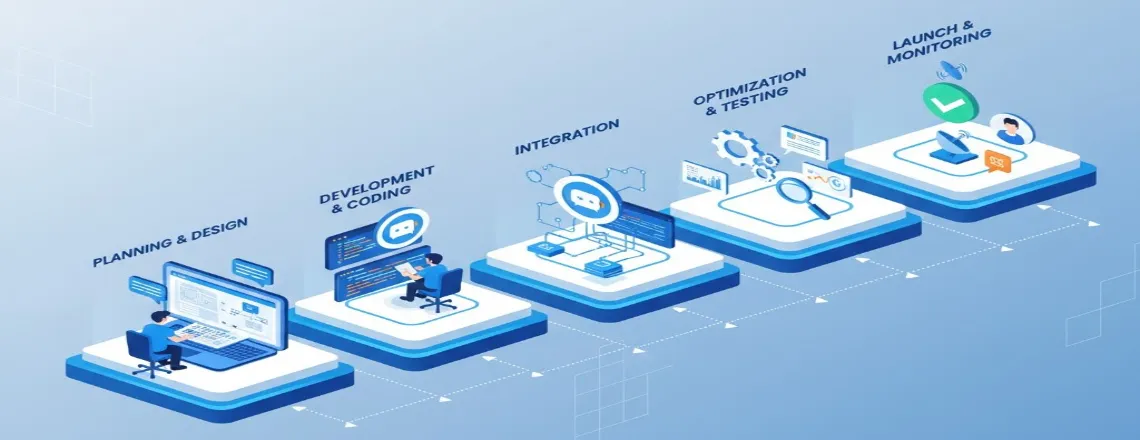
Building effective chatbot implementations begins with a plan. U.S. companies must design systems that meet both customer and business needs. Integrating chatbots into business operations improves response time and operational flow while aligning with company goals.
Step 1: Define Clear Objectives
Identify what you want your AI-driven chatbot to achieve, from answering FAQs to lead generation. Understanding goals ensures chatbot integration aligns with business KPIs.
Step 2: Choose the Right Chatbot Platform
Pick reliable chatbot platforms like Intercom, Drift, or Chatboq. Compare customization, analytics, and scalability.
Step 3: Integrate with Business Systems
Connect chatbots with Customer Relationship Management (CRM) and business communication software. This helps create a unified experience across touchpoints.
Step 4: Test, Monitor, and Continuously Improve
Through continuous monitoring and optimization, gather real user data and refine responses to ensure your chatbot technology evolves with audience needs.
Step 5: Balance Automation with Human Touch
Never let your bot replace empathy. Keep the human element alive by letting users reach an agent when needed, a perfect example of balancing automation with personalization.
Best Practices for Engaging Chatbot Interactions
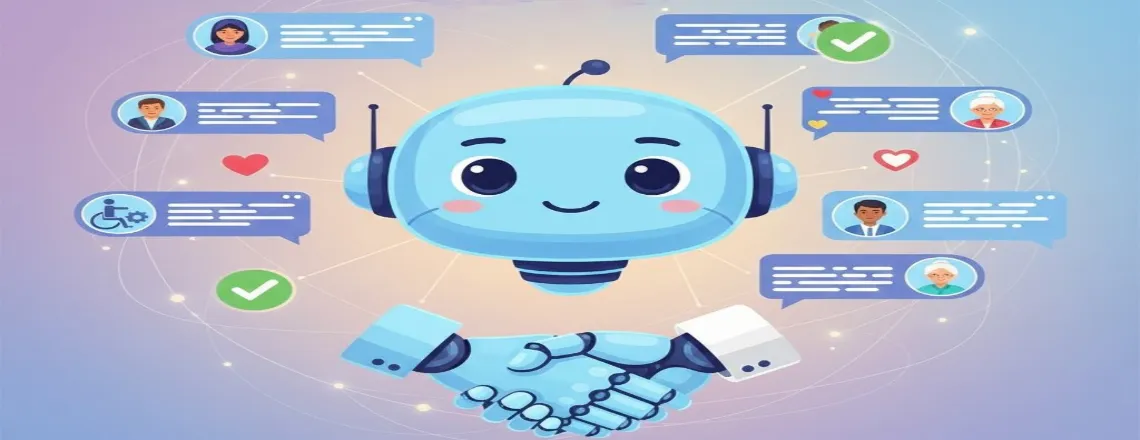
Creating engaging chatbot interactions requires a human-centered approach. Every conversation should feel helpful, ethical, and natural. Using chatbot design best practices, brands can ensure authenticity and accessibility for diverse audiences across the USA.
Ensuring Ethical and Responsible Communication
Transparency builds trust. Always inform users they’re talking to a bot. Use inclusive language, avoid bias, and ensure compliance with U.S. privacy standards like CCPA.
Personalization and Context Awareness
By applying Empowering chatbots with NLP, chatbots can recall user history and preferences. This allows data-driven personalization, enhancing user loyalty through thoughtful and timely suggestions.
Balancing Automation and Human Intervention
Use hybrid systems. Bots handle simple queries, while agents manage complex cases. This partnership ensures quality service and improves user satisfaction without overloading teams.
Iterative Improvement Through Analytics and Feedback
Analyze conversation logs regularly. Use insights to craft engaging conversation flows that refine tone, accuracy, and performance over time.
Challenges and Key Considerations
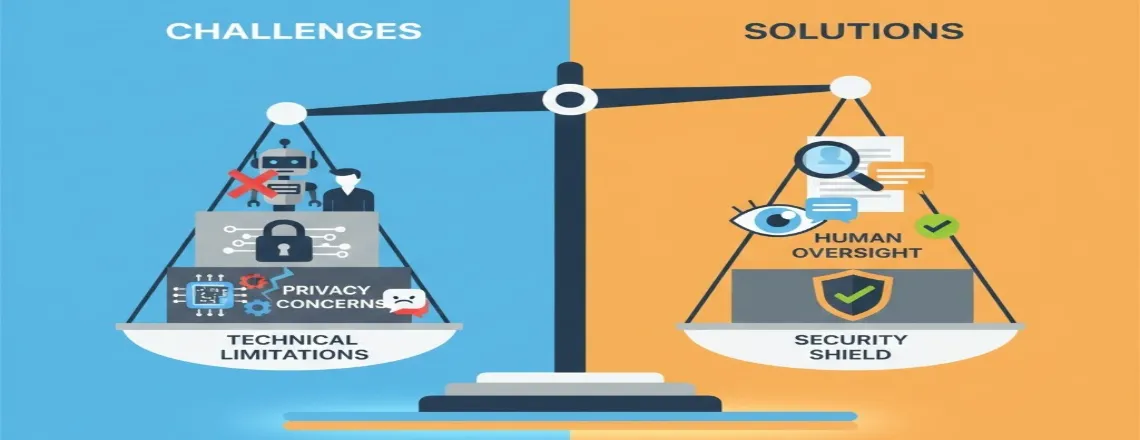
Even though chatbot interactions are powerful, challenges still exist. From technical limitations to privacy concerns, every obstacle requires a proactive approach for success in U.S. markets.
Technical Limitations and Scalability Issues
Poorly coded chatbots can’t scale effectively. Invest in robust automation tools and machine learning chatbots that adapt to traffic surges and complex queries.
Maintaining User Trust and Experience
Trust is key. Businesses must ensure full transparency and protect user data through encryption and privacy policies.
Avoiding Over-Automation
Over-automation can make interactions robotic. Combine emotional intelligence (in AI) with human-like interactions to create empathy-driven conversations.
Ensuring Data Privacy and Security
Follow GDPR and CCPA standards. Store data securely, and communicate how user data is collected and used.
| Challenge | Impact | Solution |
| Technical Limitations | Poor scalability | Invest in ML tools |
| User Trust | Lower satisfaction | Be transparent |
| Over-Automation | Robotic feel | Add human oversight |
| Data Security | Risk of breach | Enforce compliance |
The Future of Chatbot Interactions

The next decade will redefine chatbot interactions through Conversational AI, Voice recognition technology, and Emotional AI. The future isn’t just automation, it’s emotional connection. U.S. industries are adopting smarter chatbots that can feel, listen, and respond like humans.
Emerging Trends in Conversational AI
Modern AI-driven chatbots now analyze tone, emotion, and sentiment. Understanding user emotions and intent helps bots provide genuinely empathetic replies, creating personalized chatbot experiences like never before.
Voice, Emotion, and Sentiment Analysis in Chatbots
With the rise of voice-activated chatbots, users can now talk naturally instead of typing. This revolution, led by Alexa and Google Assistant, merges voice recognition technology with business efficiency through automation.
Industry Applications: E-commerce, Healthcare, Banking, Travel
E-commerce brands like Amazon use chatbots to instantly suggest products. Healthcare bots manage patient bookings, banking chatbots automate account support, and travel bots offer instant itinerary updates, all ensuring seamless user support.
From Automation to Empathy: The Next Phase of Chatbots
The future lies in emotional connection. By enhancing user engagement through AI, brands will shift from simple automation to empathetic conversation. The ultimate goal: make every chatbot feel more human, more personal, and more powerful.
Experience advanced conversational AI with Chatboq’s emotional AI, voice recognition, and sentiment analysis all in one platform. Make your chatbots feel more human and engaging than ever.
Conclusion: The Chatbot Revolution Is Just Beginning
Chatbot interactions are not just a technology trend; they’re a transformation of how people communicate. As AI chatbots, virtual assistants, and Conversational AI platforms grow more intelligent, businesses will continue to experience faster, smarter, and more human-like interactions. Companies that invest in chatbot implementation today are building the foundation for tomorrow’s customer relationships, where technology and empathy walk hand in hand.
Ready to Elevate Your Customer Experience? Don’t wait to provide smarter, faster, and more human-like support. With Chatboq, every chatbot interaction becomes an opportunity to delight your customers.
Frequently Asked Questions (FAQs)
Chatbot interactions are AI-driven conversations that allow users to engage with virtual assistants naturally and efficiently.
They improve user engagement, provide 24/7 support, reduce response time, and enhance customer satisfaction.
There are quality assurance, task-based, recommendation, support, and conversational chatbots.
By using AI, NLP, and ML to learn user behavior, preferences, and past interactions.
Yes, chatbots provide round-the-clock support, ensuring users receive instant assistance anytime.
Popular platforms include Chatboq, Intercom, Drift, IBM Watson, Dialogflow, and ChatGPT.
They automate repetitive tasks, reduce human workload, and streamline customer service workflows.
Yes, when implemented with GDPR and CCPA compliance, ensuring data privacy and protection.
The future includes Emotional AI, voice recognition, sentiment analysis, and more human-like experiences.
Use hybrid systems where bots handle simple queries and humans manage complex cases for better service.

Daniel Wong
Technical Content Writer
My name is Daniel Wong, a Technical Content Writer from Singapore with a strong interest in AI-powered tools and digital automation. At ChatBoq AI, I focus on creating practical and easy-to-follow content that helps businesses and individuals understand how chatbots work and how to use them effectively.
I enjoy breaking down complex topics like natural language processing (NLP) and conversational AI into simple guides that anyone can follow. Each article is based on careful research, real-world examples, and testing to ensure accuracy and reliability.
Through ChatBoq AI, my goal is to provide readers with trustworthy insights, step-by-step tutorials, and the latest trends in chatbot technology.
✍️
Expert in AI & Chatbot Technology

Leave A Comment