
Chatbot Data Insights: How Conversations Drive Better Decisions
AI-powered chatbots collect and analyze conversation data to turn customer talks into clear insights. By tracking common questions, sentiment, and drop-off points, teams learn where products or processes fail and what customers need most. These chatbot data insights help companies improve responses, route issues to the right agent, and update knowledge bases, so decisions are based on honest user conversations rather than guesswork.
📑 Table of Contents
- Chatbot Data Insights: How Conversations Drive Better Decisions
- Key Highlights
- What are Chatbots?
- Types of AI Chatbots
- How Chatbots Work
- How conversations generate actionable insights
- Advantages of Chatbots as a UXR Method
- Chatbot Benefits for Businesses
- From Reactive to Proactive: How AI Chatbots Enhance Customer Experience
- Ready to Get Started on Your Conversational CX Automation Journey?
- Practical Steps: Turning Conversations into Decisions
- Chatbot Data Insights: How Conversations Drive Better Decisions
- How to use insights to drive better decisions
- Benefits of Chatbots for Businesses
- Integrating AI Chatbots in Data-Driven Decisions
- Generative AI Chatbots: The Future of Customer Interaction
- Conclusion: A New Era of Smarter Decisions
- Frequently Asked Questions (FAQs)

How AI improves customer service: AI reads chat messages fast and finds patterns. It gives agents the best answers, suggests fixes, and can talk to customers right away. This helps customers get help sooner and makes support teams work smarter.
Key Highlights
| Conversations are structured sources of product and support intelligence. Track intents, entities, and outcomes to tie chat signals to business metrics. Combine qualitative excerpts with quantitative trends for persuasive insights. Privacy, annotation, and closed-loop measurement are essential best practices. |
What are Chatbots?
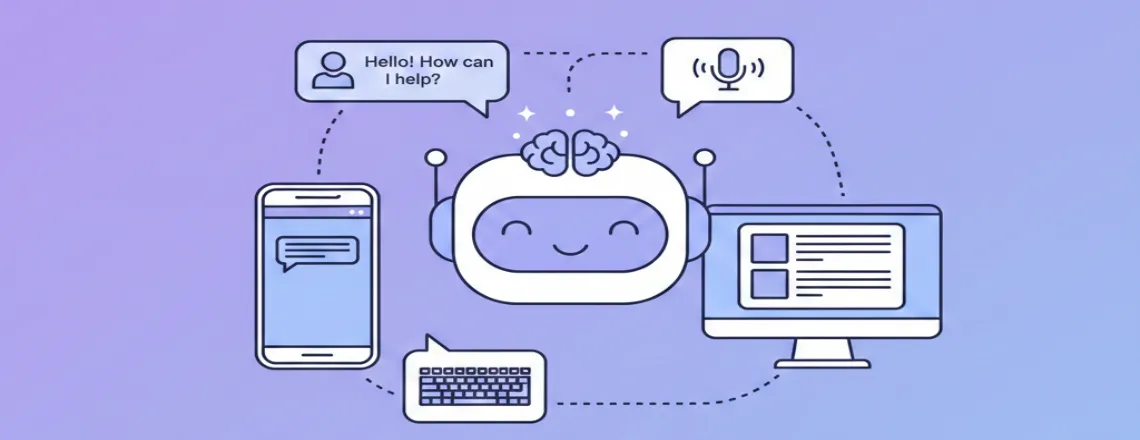
Chatbots are AI-powered software applications designed to simulate human conversation. Also known as conversational AI agents, they can interact with users through text or voice interfaces.
AI Chatbots are designed to understand and respond to customer inquiries, provide information, and even complete transactions.
Types of AI Chatbots
There are several types of AI chatbots, each offering different functionalities. These chatbots can be categorized based on their complexity:
- Simple, rule-based chatbots that follow predefined scripts and answer FAQs.
- Advanced AI chatbots leveraging NLP and ML to comprehend and respond to complex queries.
Modern chatbot platforms combine rule-based logic with advanced AI to deliver seamless customer experiences. These platforms provide the infrastructure needed to deploy, manage, and optimize chatbots across multiple channels while maintaining consistent performance.
How Chatbots Work
AI Chatbots use natural language processing to understand the intent behind user input. When a customer sends a query, the chatbot analyzes the text to identify keywords and phrases. Then, the chatbot uses machine learning algorithms to match the customer’s inquiry with the most appropriate response.
Generative AI chatbots can even generate new responses based on the conversation’s context. As chatbots interact with more customers, they learn from the data and improve their ability to answer questions and resolve issues accurately. Advanced chatbot automation uses NLP and machine learning to continuously improve response accuracy. These solutions can integrate with existing business systems, automate complex workflows, and scale to handle thousands of simultaneous conversations.
How conversations generate actionable insights
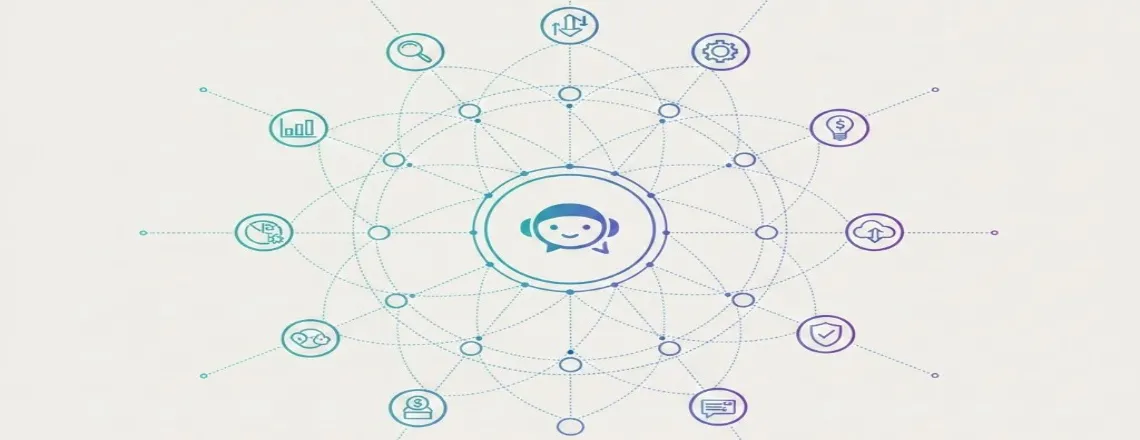
Start by instrumenting the bot: log transcripts, intent classifications, entity extractions, timestamps, channel, and outcome (resolved, escalated): aggregate frequent intents, unmet needs, and drop-off points. Use topic modeling and sentiment trends to spot systemic issues. Map conversation funnels to conversion or churn metrics to quantify impact. Combine qualitative snippets with quantitative metrics for compelling decision evidence.
- Capture structured metadata (intent, entities, channel, outcome).
- Annotate and sample transcripts to validate model accuracy.
- Use dashboards combining trend charts and example conversations
- Chatbot data insights reveal patterns, preferences, and problems in everyday customer conversations. By analyzing these interactions, teams can make faster, evidence-based decisions that improve products, service, and strategy.
Advantages of Chatbots as a UXR Method
- Scalable feedback: Collect large volumes of user input without interviews.
- Context-rich data: Conversations include intent, sentiment, and follow-up questions.
- Real-time insights: Monitor trends as they emerge to react quickly.
- Low bias: Natural dialogue often reveals authentic user needs, whereas prompted responses tend to be more artificial.
Chatbot Benefits for Businesses
- Better decision-making: Use conversation analytics to prioritize features and fixes, a process that chatbots enable businesses to streamline.
- Improved customer experience: Detect pain points and close feedback loops faster.
- Cost efficiency: Automate routine support while deriving strategic insights from the same interactions, as chatbots do.
- Personalization: Tailor offers and journeys to user preferences observed.
From Reactive to Proactive: How AI Chatbots Enhance Customer Experience
AI chatbots help identify recurring issues and signal opportunities before they escalate. By linking conversation trends with product and support workflows, teams can proactively address root causes, offer targeted help, and reduce repeat contacts.
Ready to Get Started on Your Conversational CX Automation Journey?
Begin by logging and structuring chat data, then apply simple analytics: frequency counts, intent classification, and sentiment analysis. Iterate on insights, integrate findings into product roadmaps, and support training.
Practical Steps: Turning Conversations into Decisions
- Capture: Store chat transcripts with timestamps and metadata.
- Label: Tag intents, outcomes, and sentiment consistently when gathering data.
- Analyze: Use dashboards to surface top issues and trends.
- Act: Prioritize changes based on impact and effort.
- Measure: Track metrics like resolution rate, NPS, and repeat contacts to validate
Chatbot Data Insights: How Conversations Drive Better Decisions
What are chatbot data insights?
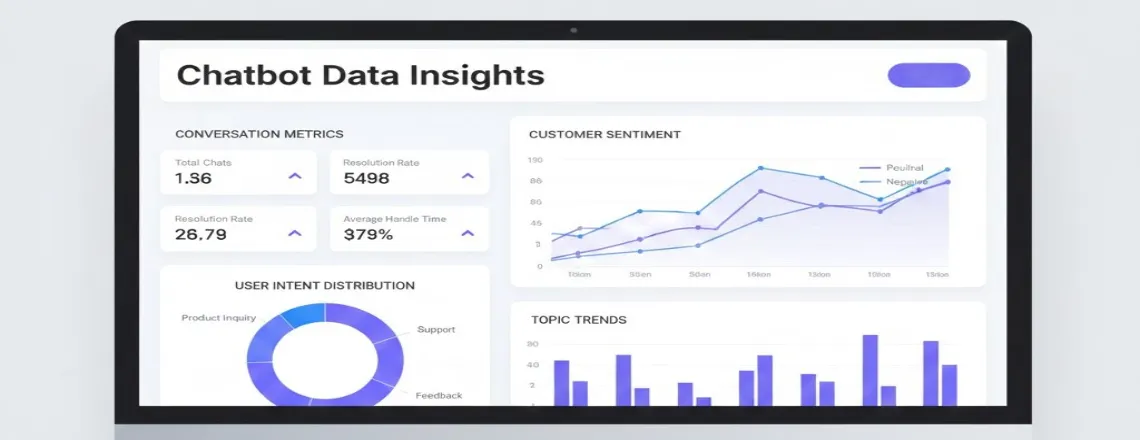
Chatbot data insights are the patterns, metrics, and signals extracted from user–bot conversations, helping businesses understand customer insights. They include intent frequency, sentiment, common questions, drop-off points, and resolution times. These insights show how users interact, what they need, and where the chatbot can improve based on unstructured data.
Why conversations matter for decision-making
Conversations are direct records of customer intent and experience. By analyzing chat logs and real-time dialogues, organizations can make better product, support, and marketing decisions because conversation data reveals:
- Real needs: Frequently asked questions and requests highlight true user priorities.
- Behavior patterns: Common paths and friction points show where processes fail.
- Sentiment trends: Positive or negative tone signals satisfaction or areas needing attention, which chatbots can use to enhance service.
- Operational bottlenecks: Long resolution times or repeated transfers indicate process issues.
Key metrics to track
Focus on a few actionable metrics to turn conversations into decisions:
- Intent distribution: Which intents are most common?
- Resolution rate: Percent of issues resolved by the bot.
- Average handling time: Time taken to resolve a conversation.
- Drop-off rate: Where users abandon the chat.
- Sentiment score: Overall customer mood during interactions, which chatbots enable businesses to assess effectively.
How to use insights to drive better decisions
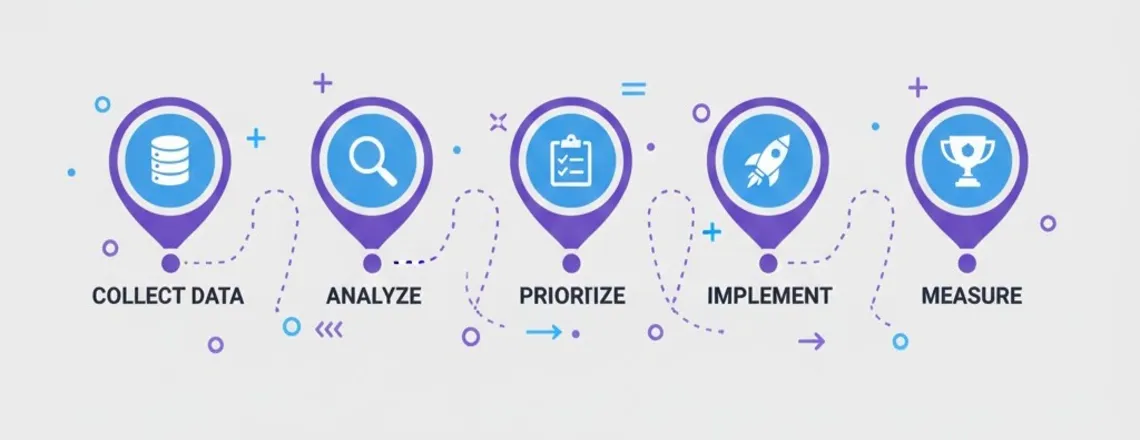
Follow a simple process:
- Collect and clean conversation data (normalize intents, remove noise).
- Analyze trends and segment by user type, channel, or topic.
- Prioritize issues that affect revenue or experience the most.
- Test changes (bot flows, knowledge base updates, agent training).
- Measure impact and iterate using the same conversational metrics.
Real-world examples
- A support team reduced call volume by 25% after identifying top chat intents and expanding self-serve content for those topics.
- A product team discovered repeated feature confusion in conversations and redesigned the onboarding flow, improving retention.
Simple implementation checklist
- Instrument chat logs with timestamp, intent, and outcome.
- Run weekly reports on intent trends and sentiment shifts.
- Create alerts for sudden spikes in negative sentiment or failed intents.
- Align product, support, and analytics teams on prioritized fixes.
Benefits of Chatbots for Businesses

Enhancing Customer Experience
One of the primary benefits of chatbots for businesses is the ability to significantly enhance the customer experience by providing personalized product recommendations based on user interactions. For online retailers, e-commerce chatbots can handle product inquiries, process orders, and provide personalized recommendations 24/7, creating a seamless shopping experience that drives conversions.
Improving Customer Service
AI Chatbots play a crucial role in improving customer service by providing efficient and practical support. By using natural language processing, these conversational AI agents can understand customer needs and respond accurately to their queries. AI Chatbots can handle a large volume of customer interactions simultaneously, reducing response times and freeing up human agents to focus on more complex issues. Mastering AI chatbot implementation requires understanding both the technology and customer service best practices. Success depends on thoughtful design, proper training data, and continuous optimization based on real user interactions and feedback.
Key Benefits for Businesses
The benefits of chatbots extend beyond customer experience and service, offering several advantages for businesses. Chatbots can help businesses gather data and provide personalized product recommendations.
- Automating routine tasks, such as answering FAQs and processing orders, frees up companies’ resources and allows employees to focus on higher-value activities.
- Reducing operational costs by minimizing the need for human agents and improving efficiency.
Integrating AI Chatbots in Data-Driven Decisions
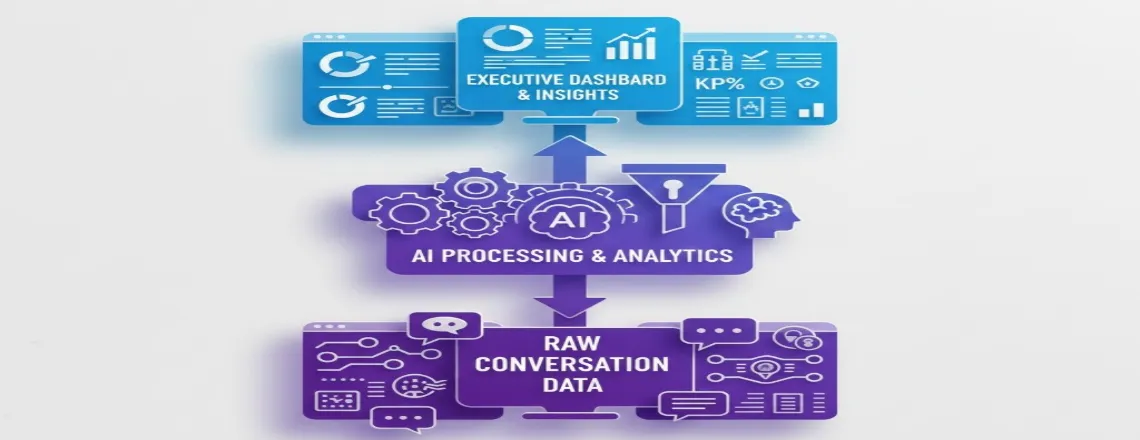
Data Collection through Conversational Interfaces
AI chatbots are revolutionizing how businesses collect customer data through conversational interfaces. By using natural language processing, AI chatbots can understand customer needs and extract valuable information from chatbot conversations in real-time. These conversational AI agents engage with businesses and customers, gathering insights that companies can use to improve engagement, customer sentiment, and preferences. AI-powered chatbots ask targeted questions to collect relevant data, streamline the data collection process, and provide actionable insights that help businesses make better decisions by leveraging data management techniques. The benefits of chatbots extend beyond mere interaction; they transform every chatbot solution into a better customer experience, query into a data point, making customer interaction more meaningful and productive, ultimately helping the marketing team.
Smarter Decisions with AI Chatbots
AI chatbots empower businesses to make smarter, data-driven decisions by turning conversational data into actionable insights. By analyzing data collected through AI chatbot interactions, companies can identify trends, patterns, and correlations that would otherwise go unnoticed with chatbot-integrated solutions. AI agents and Generative AI chatbots can ask questions that lead to deeper customer engagement, provide valuable customer feedback, and allow businesses to tailor their products, services, and offerings. Chatbots enable companies to gather customer data efficiently and implement marketing strategies that better meet customer needs.
These AI tools would allow companies to anticipate market changes, optimize resource allocation, and proactively address potential issues, thereby improving customer satisfaction. Increased chatbot capabilities can lead to better customer experiences, higher conversion rates, and sustainable growth. We’ll explore how AI can help your business in the long run.
Case Studies of AI Chatbots in Action
Numerous case studies demonstrate the effectiveness of AI chatbots in data-driven environments can analyze customer interactions to provide better insights for decision-making. For example, a leading e-commerce company integrated an AI chatbot into its customer service platform to handle FAQs and provide personalized recommendations. By analyzing chatbot conversation data, the company identified key pain points in the customer experience and implemented targeted improvements, resulting in a significant increase in customer satisfaction and conversion rates. Another example involves a healthcare provider that used an AI-powered chatbot to schedule appointments and provide medical information through a customer service chatbot. Businesses are increasingly using AI.
The chatbot collected customer data on symptoms and preferences, enabling the provider to personalize treatment plans and improve patient outcomes can be enhanced by using AI in healthcare chatbots. Similarly, sales-focused chatbots have helped B2B companies qualify leads and schedule demos automatically, increasing conversion rates by up to 40%. These chatbots engage prospects in real-time, answer technical questions, and route qualified leads to sales representatives at the optimal moment in the buyer’s journey. These examples underscore how chatbots enable businesses to help improve customer engagement and satisfaction, transform their operations, and achieve tangible results by leveraging AI chatbots and conversational data.
Generative AI Chatbots: The Future of Customer Interaction

Advantages of Generative AI Chatbots
One of the key advantages of generative AI chatbots is their ability to understand and respond to complex queries using AI, customer needs in real-time. Unlike traditional chatbots, AI chatbots use advanced algorithms to provide more personalized responses. AI chatbots that rely on predefined scripts can be limited; generative AI enables chatbots to create original, context-aware responses. This level of adaptability enables AI chatbots to enhance interactions with users and improve customer satisfaction.
Chatbots assist by providing more personalized and relevant interactions for users and customers. Generative AI also allows chatbots to handle a broader range of inquiries, enabling businesses to manage them effectively and reducing the need for human agent intervention. By using natural language processing, these AI tools understand customer sentiment and automate responses.
How Generative AI Enhances Chatbot Capabilities
Generative AI significantly enhances chatbot capabilities by enabling them to generate human-like text and engage with customers in more conversational ways, thereby helping businesses streamline their operations. By using chatbots to assist with customer interactions, companies can improve efficiency and customer satisfaction. With machine learning and natural language processing, these AI chatbots can understand the nuances of customer needs and sentiment, tailoring their responses accordingly. Businesses can use AI to enhance their strategies. Generative AI chatbots can also create original content, such as product descriptions or marketing copy, and streamline processes for the marketing team. These chatbots provide valuable, actionable insights and conversational data that improve the customer experience.
Potential Challenges and Solutions
While generative AI chatbots offer numerous benefits for businesses, understanding potential chatbot limitations helps businesses set realistic expectations and implement proper safeguards. There are several potential challenges that need to be addressed to ensure effectiveness. One of the main concerns is ensuring the accuracy and reliability of the chatbot’s responses.
Generative AI models can sometimes produce inaccurate or nonsensical responses, negatively impacting the effectiveness of AI bots and customer satisfaction. To mitigate this risk, businesses need to carefully train and fine-tune their AI chatbot models and implement robust monitoring and feedback mechanisms. By regularly reviewing chatbot conversation data and customer data. By using a chatbot, businesses can identify areas for improvement and ensure that their AI chatbots are providing accurate and helpful information. Improve customer satisfaction by integrating AI into your workflows, where chatbots seamlessly integrate. We’ll explore how AI can help.
Key use cases and benefits
- Product prioritization: Feature requests and friction points surface directly from chat logs, providing valuable customer insights for businesses.
- Customer support optimization: Identify repeat issues and improve self-service content.
- Personalization: Use entities and historical context to tailor responses and offers.
- Operational efficiency: Reduce handle time and escalate only when needed, which chatbots enable businesses to achieve effectively.
Conclusion: A New Era of Smarter Decisions
Conversational data transforms subjective guesses into measurable signals. As the rapidly growing chatbot market continues to expand, businesses that leverage conversational data will gain significant competitive advantages. When organizations capture, tag, and analyze chat transcripts, they unlock clear trends that guide prioritization, reduce churn, and increase revenue. In short, chatbots turn conversations into actionable business intelligence.
Frequently Asked Questions (FAQs)
Initial patterns appear within days; statistically reliable trends generally take weeks, depending on volume and diversity.
Capture transcripts, intents, entities, timestamps, channel, outcome, sentiment, and user identifiers (anonymized) for context.
They prioritize work by showing frequency, impact, and sentiment tied to real user problems and outcomes.
Track pre/post metrics: resolution rate, handle time, NPS, conversion, and sentiment shifts tied to deployed changes using chatbot data management.
Anonymize PII, apply access controls, and follow data retention and consent policies.
AI chatbots analyze customer interactions, identify patterns, and generate insights into preferences, pain points, and behavioral trends, enabling data-driven improvements to products, services, and the customer experience.
Chatbots automate customer support, reduce response times, handle multiple inquiries simultaneously, cut operational costs, and provide 24/7 availability while collecting valuable customer data for business insights.
AI processes vast amounts of data quickly, identifies trends and patterns that humans might miss, provides predictive analytics, reduces bias in decision-making, and delivers actionable insights for strategic planning.
Generative AI chatbots use advanced language models to create human-like responses, understand context, and generate original content rather than selecting from pre-programmed answers, enabling natural conversations.
AI chatbots can misunderstand complex queries, lack human empathy, provide incorrect information, incur significant setup costs, struggle with nuanced situations, and frustrate users with impersonal interactions.

Daniel Wong
Technical Content Writer
My name is Daniel Wong, a Technical Content Writer from Singapore with a strong interest in AI-powered tools and digital automation. At ChatBoq AI, I focus on creating practical and easy-to-follow content that helps businesses and individuals understand how chatbots work and how to use them effectively.
I enjoy breaking down complex topics like natural language processing (NLP) and conversational AI into simple guides that anyone can follow. Each article is based on careful research, real-world examples, and testing to ensure accuracy and reliability.
Through ChatBoq AI, my goal is to provide readers with trustworthy insights, step-by-step tutorials, and the latest trends in chatbot technology.
✍️
Expert in AI & Chatbot Technology

Leave A Comment