
Chat Manager: How to Monitor, Supervise, and Optimize Your Live Chat Team
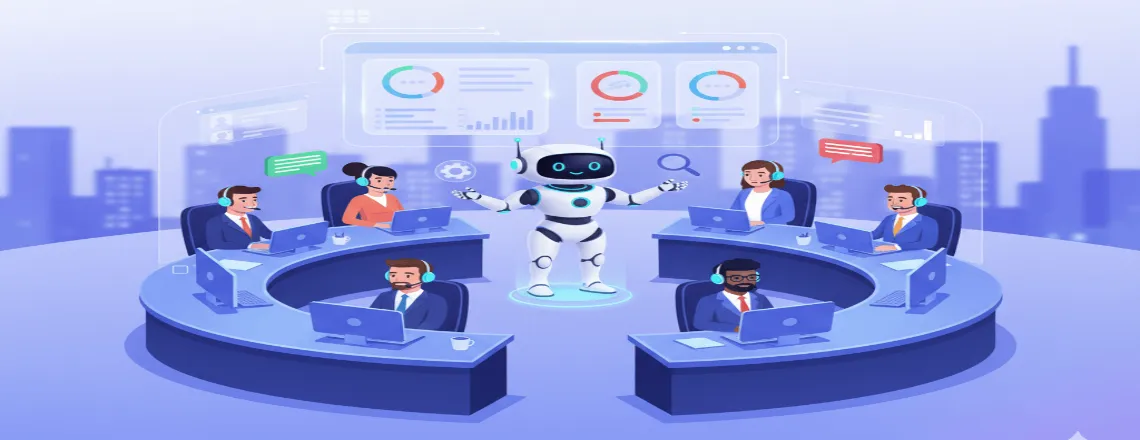
A Chat Manager ensures your live chat team delivers exceptional customer experiences while meeting KPIs like Customer satisfaction score, First contact resolution, and response time. This guide covers team supervision, performance monitoring, agent training, workflow optimization, and reporting, along with actionable templates for staffing, onboarding, and SLA compliance. Ideal for customer support leads, ops managers, and SaaS/CRM teams.
📑 Table of Contents
- Chat Manager: How to Monitor, Supervise, and Optimize Your Live Chat Team
- Key Highlights
- What is a Chat Manager?
- Chat Manager vs Managed Live Chat
- Why Your Business Needs A Chat Manager
- How Chat Manager Monitors and Supervises Live Chat Teams
- Key Metrics For Chat Manager Success
- Best Practices For Chat Manager
- Advanced Tools And Features For Chat Managers
- Industry- Specific Chat Manager Use Cases
- Challenges Chat Manager Comes Across And Solutions
- Choosing the Right Tools & Providers
- Future of Chat Management
- Conclusion
- Frequently Asked Questions (FAQs)
Key Highlights
| Chat Manager supervises live chat team performance. Optimizes workflows, staffing, and SLA compliance. Balances AI tools with human agents. Tracks KPIs like CSAT, FCR, and conversions. Improves customer experience, engagement, and ROI. |
What is a Chat Manager?
Core Responsibilities Of A Chat Manager
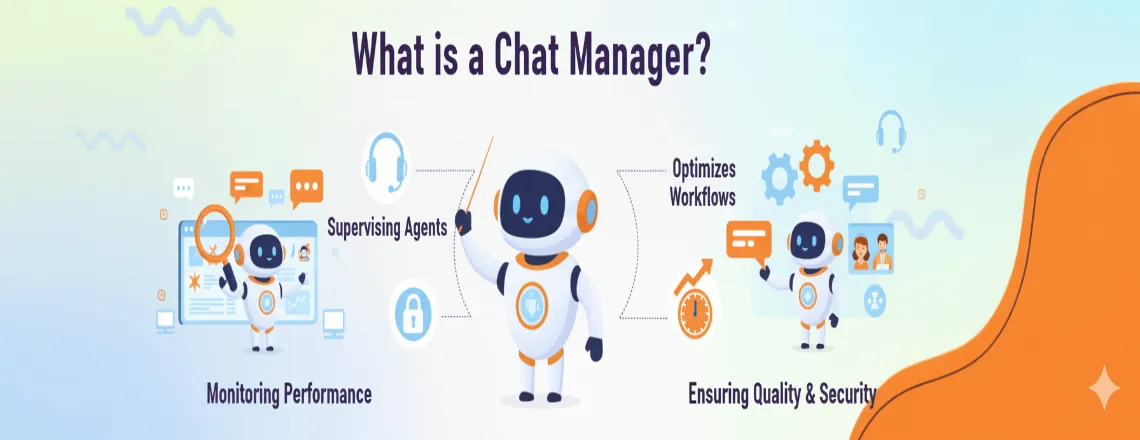
A Chat Manager oversees daily live chat operations while ensuring quality customer interactions across all areas. They serve as the strategic leader responsible for team performance, customer satisfaction metrics, and operational efficiency
Primary Responsibilities Include:
- Overseeing day-to-day live chat operations
- Monitoring agent performance and quality of service
- Ensuring compliance with SLAs, scripts, and brand tone
- Optimizing workflows and allocating resources efficiently
Chat Manager acts as a medium between managed live chat services and in-house customer support operations.
Chat Manager vs Managed Live Chat
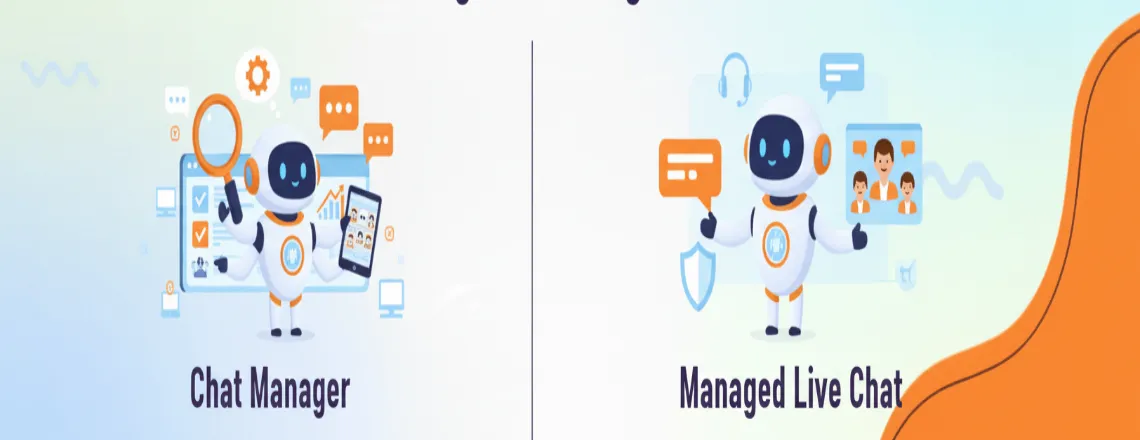
It is essential to distinguish between a Chat Manager and Managed Live Chat Services. While managed live chat providers supply trained agents, the Chat Manager ensures service meets KPIs like response time, customer satisfaction, and conversion goals. Managed chat services deliver, and the Chat Manager optimizes.
Key Skills Of An Effective Chat Manager
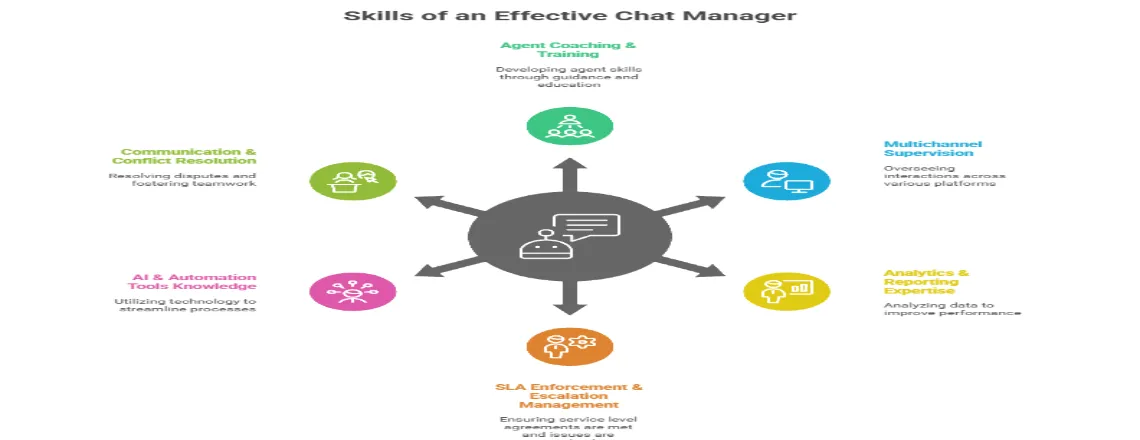
An effective Chat Manager combines leadership, analytics, and technical adaptability. Core skills include:
- Agent Coaching & Training: Empower agents to handle queries efficiently.
- Multichannel Supervision: Manage chat, email, social media, and SMS in a unified system.
- Analytics & Reporting Expertise: Interpret KPIs to drive informed decisions.
- SLA Enforcement & Escalation Management: Maintain service delivery standards.
- AI & Automation Tools Knowledge: Use AI for repetitive queries while ensuring quality.
- Communication & Conflict Resolution: Handle escalations and inter-team coordination effectively.
Strong communication and conflict resolution skills are also essential, as Chat Managers often handle escalated customer issues and coordinate across teams.
Why Your Business Needs A Chat Manager
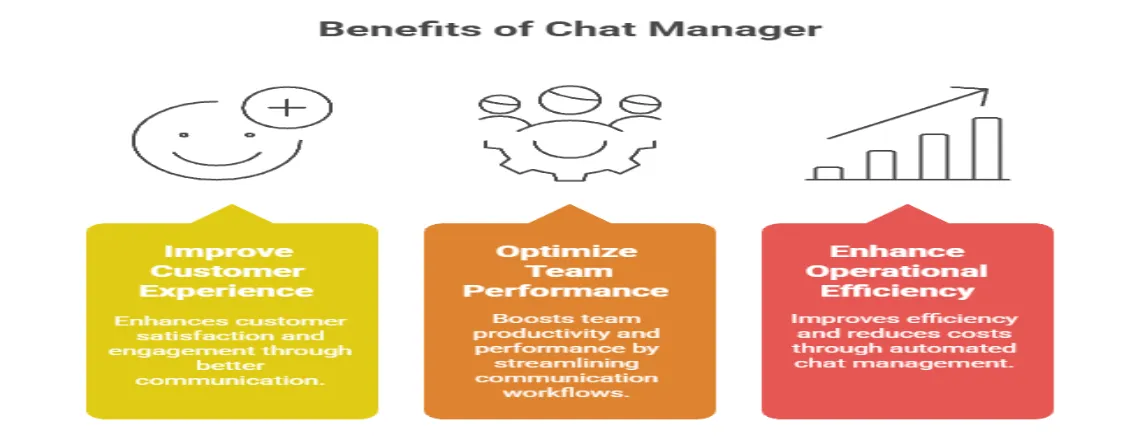
Improve Customer Experience (CX) And Engagement
A Chat Manager ensures every interaction aligns with your brand’s voice and quality. By monitoring conversations, refining scripts, and implementing proactive triggers such as cart reminders, onboarding guidance, or support prompts of customer engagement increases while reducing wait times.
Impact:
- Businesses with optimized chat supervision report up to a 20% increase in engagement.
- Reduced churn and improved CSAT/NPS scores
- Personalized customer journeys through AI-assisted recommendations
Optimize Team Performance And Productivity
Live chat management requires striking a balance between volume and service quality. Chat Manager tracks key metrics, including average handling time, chat concurrency, and agency utilization. Teams under intense supervision often see 15–25% improvements in productivity while maintaining high-quality service.
Enhance Operational Efficiency And Cost Management
Effective chat management reduces resource wastage, burnout, and attrition. Dynamic staffing based on traffic patterns and peak hours, combined with AI-assisted tools, reduces the cost per conversation without compromising service quality.
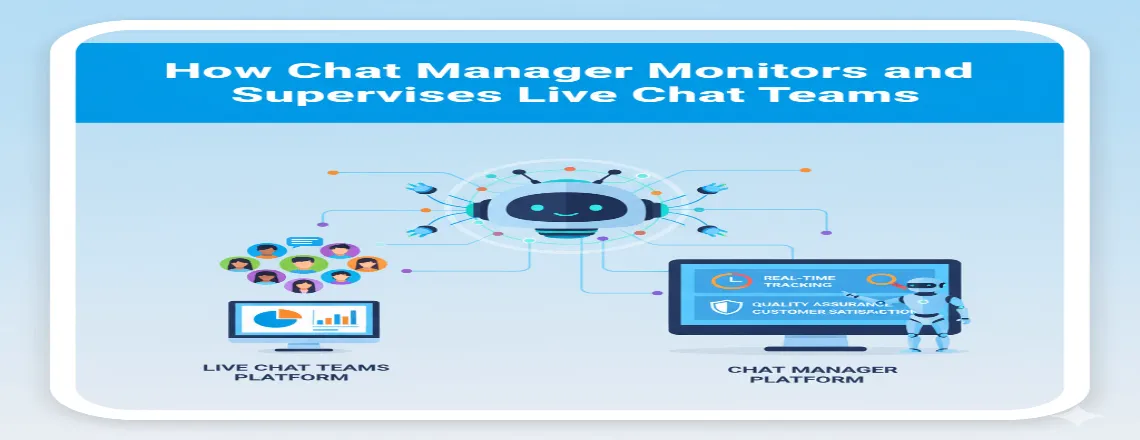
How Chat Manager Monitors and Supervises Live Chat Teams
Tools And Dashboard For Real-Time Monitoring
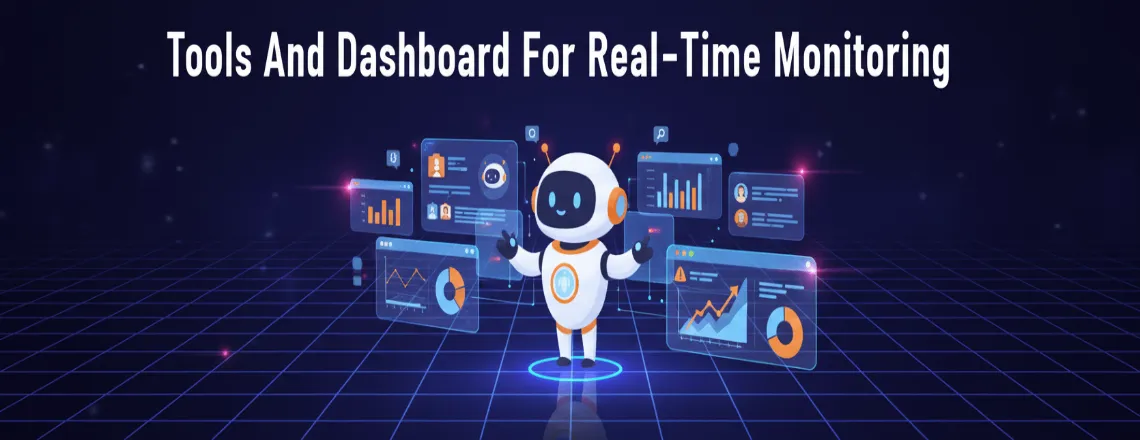
Modern chat supervision relies on comprehensive dashboards that display real-time metrics such as queue length, response time, and agent activity. Whisper coaching and barge-in features allow managers to guide agents during live conversations, while automated alerts notify managers of potential SLA breaches. Regular transcript reviews and QA scoring ensure service consistency, agent accountability, and alignment with brand standards.
Handling Multiple Conversations Efficiently

Managing multiple chats simultaneously is a challenge for any live chat team. Most agents handle 2-3 chats regularly; exceeding these limits can impact response time and customer satisfaction. Chat Manager is implementing AI suggestions, responses, and priority routing to help agents efficiently handle a high volume of chats without compromising quality.
Integrating to support Chat Supervision
Integrating live chat platforms with CRMs, helpdesk, and analytics tools enables an equal view of the customer journey. APIs and webhooks streamline workflows, automate ticket assignments, and provide actionable insights into agent performance and customer behavior, enabling more efficient operations. These integrations allow Chat Managers to make informed, data-driven decisions and improve operational efficiency.
Hybrid Supervision: Human Agents + AI

AI chatbots handle routine questions while human agents manage complex or high-value conversations. Chat Managers define escalation triggers, handover protocols, and intent detection rules. This hybrid approach strikes a balance between efficiency and empathy, reducing agent workload while ensuring customers receive prompt, accurate, and personalized service.
Key Metrics For Chat Manager Success
Performance Metrics
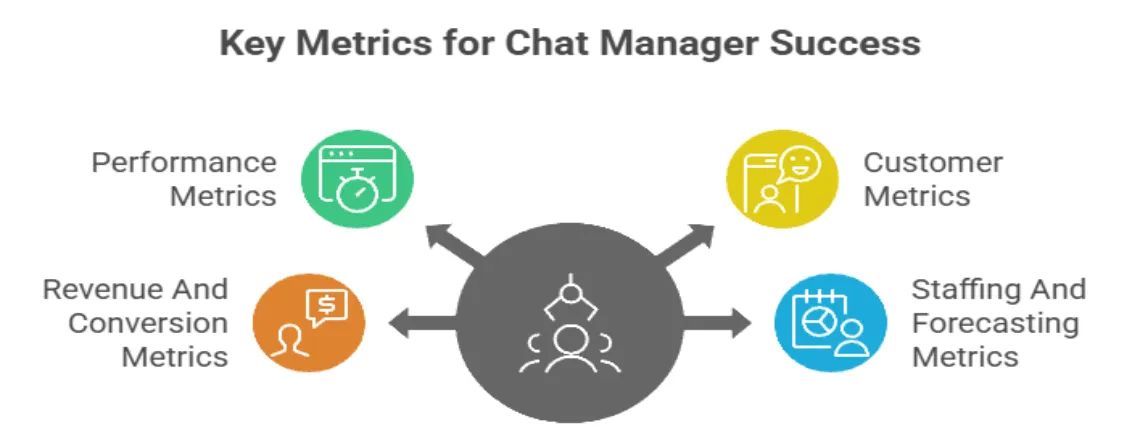
Track average response time, first contact resolution (FCR), chat volume, abandonment rate, and agent utilization. These metrics indicate workflow efficiency and highlight areas of process improvement.
Customer Metrics
CSAT, Net Promoter Score (NPS), and retention rates provide direct insight into customer satisfaction and loyalty, allowing Chat Manager to measure the success of supervision strategies.
Revenue And Conversion Metrics
Live chat contributes directly to revenue. The manager tracks chat-to-sale conversions, upsell effectiveness, and ROI from managed live chat services. Optimizing agent performance alongside an AI chatbot can increase conversion rates by 10-20%..
Staffing And Forecasting
To avoid SLA breaches and agent tiredness, staffing is calculated according to the need and to maintain customer satisfaction. Adjustments for peak periods, shrinkage, and multi-skill routing ensure coverage at all times, enhancing service reliability.
Best Practices For Chat Manager

Proactive vs Reactive Messaging

Proactive messaging, such as triggered responses for cart abandonment or onboarding guidance, enhances engagement and minimizes customer friction. Reactively responding to customer queries alone is insufficient for maximizing satisfaction and conversions.
Agent Coaching And Quality Monitoring

Regular transcript reviews, QA sessions, and personalized feedback maintain agent performance and uphold brand standards. Continuous coaching bridges skill gaps and improves the overall quality of live chat interactions.
Setting Realistic SLAs And Response Time

Communicating clear SLAs to agents and customers ensures expectations are met. Predictive staffing enables chat managers to adapt during peak times, ensuring responsiveness and maintaining quality.
Continuous Optimization Through Analytics

Evaluating Sentiment, recurring questions, and workflow bottlenecks enables Chat Manager to make data-driven improvements. This ongoing optimization enhances customer experience and drives operational efficiency.
Advanced Tools And Features For Chat Managers
AI Assistance for Agents

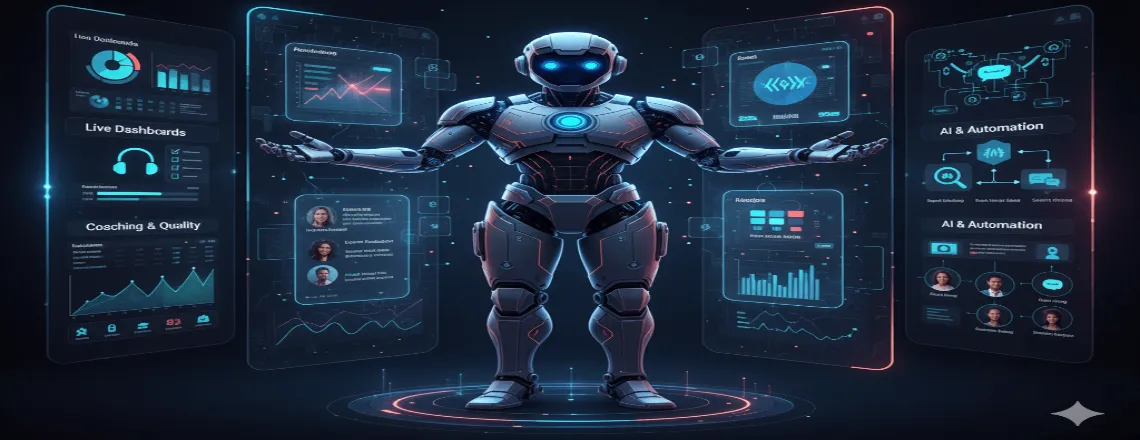
An AI chatbot provides auto-suggestions, context recall, and automated responses for routine queries. Agents focus on complex, high-value conversations, improving efficiency and accuracy.
Omnichannel Supervision
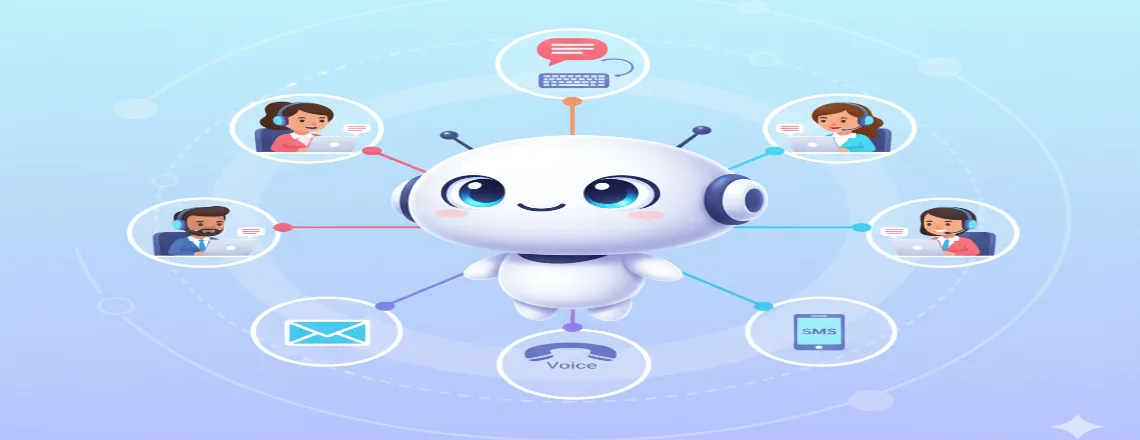
Unified dashboards ensure supervision across web chat, SMS, social DMs, and email, also preventing fragmented service and maintaining a consistent customer experience.
Compliance, Security & Data Ownership
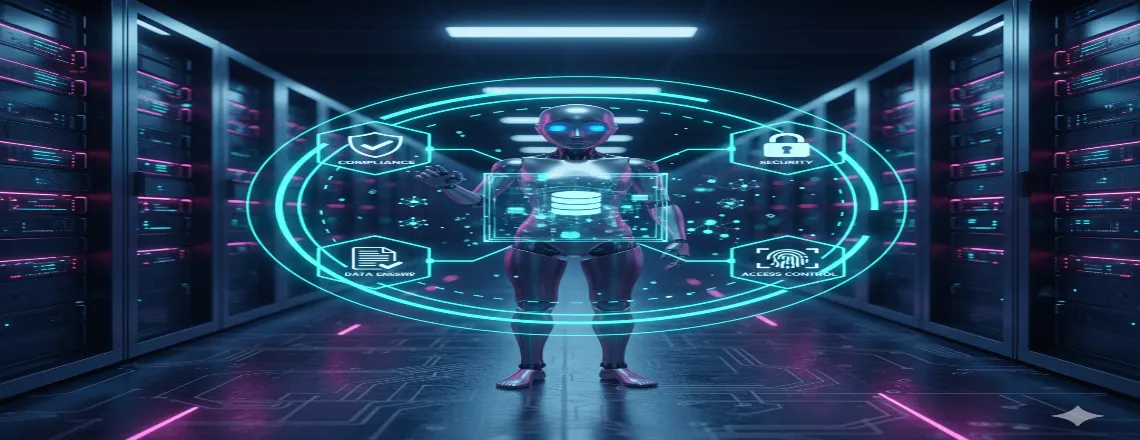
Chat Managers ensure GDPR and HIPAA compliance, encrypted chat storage, and role-based access. Proper retention policies maintain trust and protect sensitive information.
Reporting And Analytical Dashboard
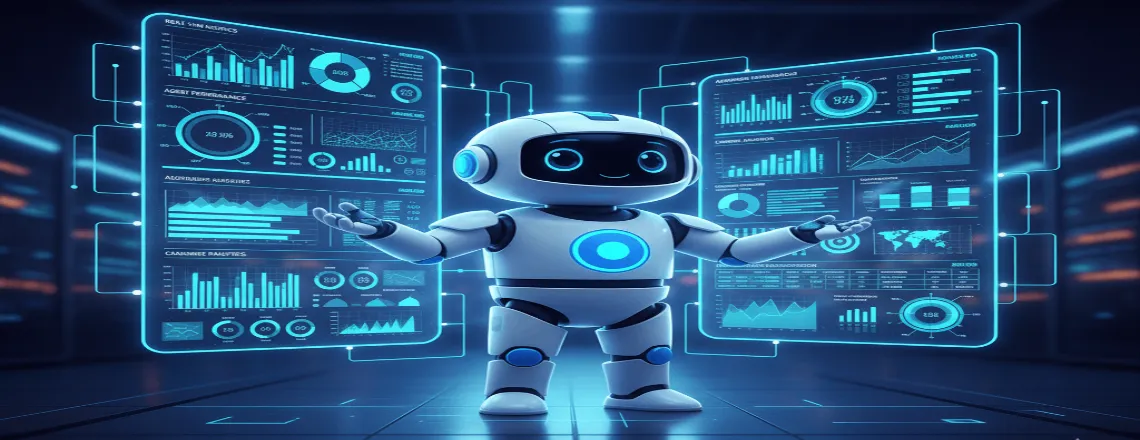
Real-time KPI tracking and trend analysis help refine strategies, enhance workflows, and measure long-term team performance.
Industry- Specific Chat Manager Use Cases
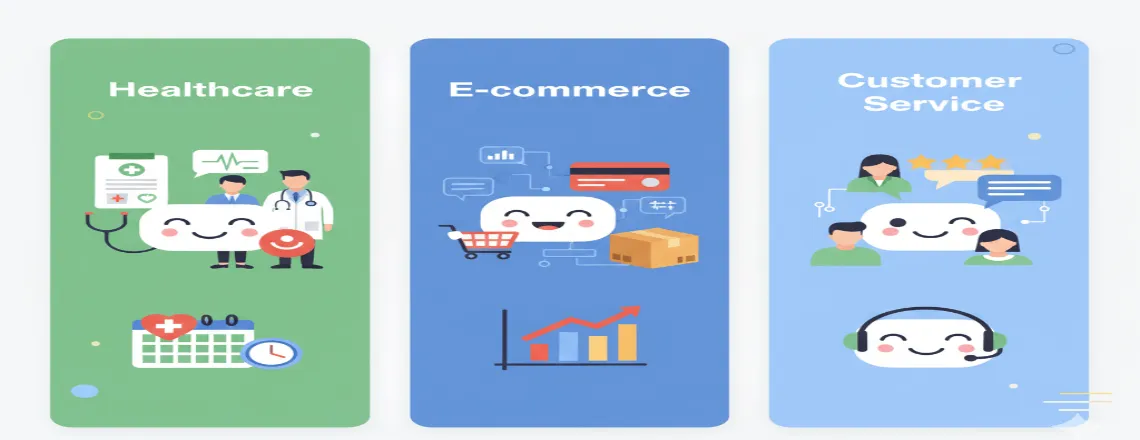
- E-commerce: Reduce cart abandonment, guide customers through checkout, and upsell efficiently.
- SaaS / Tech Support: Improve onboarding, reduce churn, and provide accurate technical assistance.
- Healthcare: HIPAA-compliant scheduling and patient support.
- Field Services / Waste Management: Streamline scheduling, claims processing, and customer inquiries with waste management live chat.
Challenges Chat Manager Comes Across And Solutions
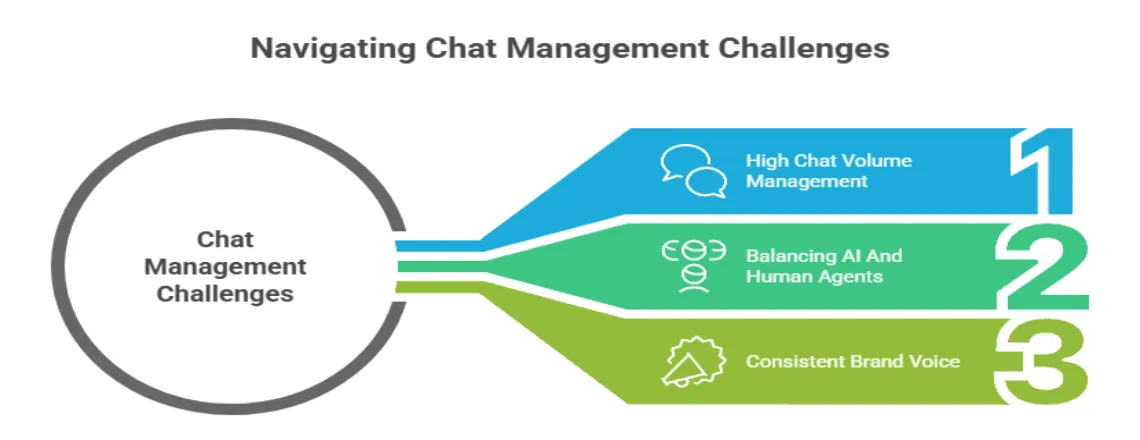
High Chat Volume Management
Use overflow routing, temporary staffing, or AI deflection to handle spikes without compromising service quality.
Balancing AI And Human Agents
Utilizing AI for routine queries while humans address complex issues that require empathy and problem-solving. The Chat Manager defines clear escalation paths and handover protocols to maintain service quality while preventing agent overload, ensuring that AI complements human efforts rather than replacing them entirely.
Consistent Brand Voice
Ensuring that a consistent brand voice across all chats is critical for customer trust and satisfaction. The Chat Manager implements QA processes and training sessions to ensure that every conversation aligns with the company’s tone and style guidelines.
Choosing the Right Tools & Providers
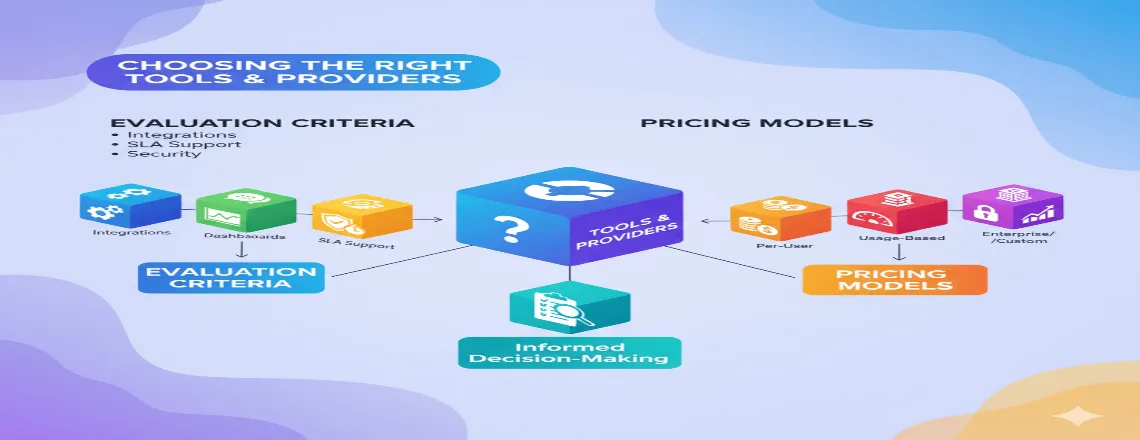
Evaluation Criteria – Integrations, dashboards, SLA support, security
Selecting optimal chat management tools requires a comprehensive evaluation of technical capabilities and business alignment. Strategic tool selection drives long-term operational success.
Critical evaluation factors:
- Integration capabilities with existing CRM, helpdesk, and business systems
- Dashboard functionality providing real-time visibility and customizable reporting
- SLA support features enabling performance monitoring and compliance management
- Security measures protecting customer data and maintaining regulatory compliance
- Scalability options accommodating business growth and seasonal fluctuations
Pricing Models
Typical pricing options include per-agent, per-chat, or tiered subscription models. Businesses must align pricing with operational scale, anticipated chat volumes, and required feature sets.
Future of Chat Management
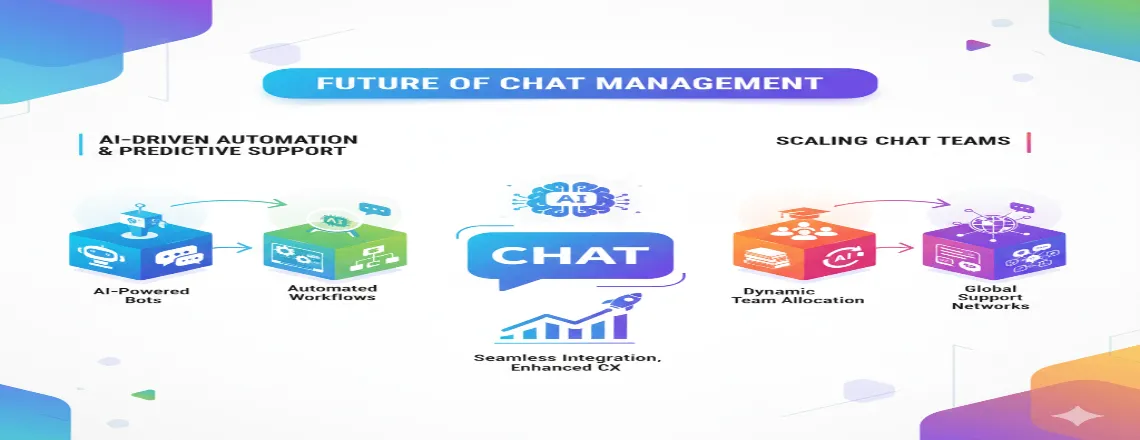
AI-Driven Automation & Predictive Support
Emerging AI technologies continue to transform live chat management. Predictive routing, intent detection, and chat summarization tools enable managers to anticipate customer needs, allocate agents efficiently, and resolve queries more quickly. These technologies reduce response times, improve accuracy, and enhance overall customer experience.
Scaling Chat Teams
Hybrid bot-human staffing models, supported by workforce management platforms, allow for scaling teams efficiently. Predictive scheduling, dynamic staffing adjustments, and AI-assisted agent support ensure that live chat teams remain agile, responsive, and cost-effective, even during periods of peak demand.
Conclusion
An effective Chat Manager drives live chat success by supervising teams, enforcing SLAs, using analytics, and balancing AI with human support. Their role has a direct impact on customer satisfaction, operational efficiency, and revenue generation. Regular monitoring, active engagement, and iterative enhancement ensure that chat teams adapt to evolving customer needs and business growth.
Frequently Asked Questions (FAQs)
Supervises agents, monitors KPIs, enforces SLAs, and optimizes workflows.
Managed services provide agents; Chat Manager ensures quality, compliance, and KPI adherence.
Improves CX, reduces resolution times, boosts productivity, and maximizes ROI.
Leadership, analytics, AI tool knowledge, SLA enforcement, conflict resolution.
Yes. Through monitoring, coaching, and script refinement.
Using dashboards, whisper coaching, AI alerts, and transcript reviews.
Average response time, FCR, chat volume, abandonment rate, CSAT, NPS, conversions.
AI handles routine queries; humans handle complex issues with escalation rules.
E-commerce, SaaS, healthcare, and field services including waste management.
Optimizes staffing, reduces costs, increases conversions, and ensures consistent engagement.

Daniel Wong
Technical Content Writer
My name is Daniel Wong, a Technical Content Writer from Singapore with a strong interest in AI-powered tools and digital automation. At ChatBoq AI, I focus on creating practical and easy-to-follow content that helps businesses and individuals understand how chatbots work and how to use them effectively.
I enjoy breaking down complex topics like natural language processing (NLP) and conversational AI into simple guides that anyone can follow. Each article is based on careful research, real-world examples, and testing to ensure accuracy and reliability.
Through ChatBoq AI, my goal is to provide readers with trustworthy insights, step-by-step tutorials, and the latest trends in chatbot technology.
✍️
Expert in AI & Chatbot Technology

Leave A Comment