
How to Boost Your Business in 2025 with a Real Estate Chatbot?
The real estate business is one of the most influential markets in 2025, drawing in more clients than ever due to its massively high demand. This market is all about trust and communication. As we have entered the modern digital era of 2025, the process of buying and selling real estate has changed drastically. Clients now demand that businesses or agents respond instantly to their queries and have 24/7 availability. Henceforth, if the companies fail to keep up with these demands, they will not only lose their valuable clients but also completely bankrupt the overall business
📑 Table of Contents
- How to Boost Your Business in 2025 with a Real Estate Chatbot?
- Key highlights
- What is a Real Estate Chatbot?
- Benefits of Using a Real Estate Chatbot in 2025
- Advantages of Real Estate Agents’ chatbots
- 8 Free AI Chatbots for Customer Support in 2025 (No Coding Needed)
- Key Use Cases of Real Estate Chatbots
- How to implement a Real Estate chatbot?
- Case studies
- Future Trends in Real Estate Chatbots
- Conclusion
- Frequently asked questions(FAQs)
To prevent these calamities, real estate chatbots have been launched as an effective tool. These tools are powered by modern Artificial Intelligence to engage clients around the clock and give proper, valuable solutions immediately, no matter where the client is. It even qualifies as a lead without requiring constant human interference. That’s how these modern chatbots help real estate agents and businesses scale their operations by improving the customer experience.
In this article, we will dive deeply into the world of real estate chatbots, how these advanced tools can give companies a boost in 2025, and how they change the way realtors and buyers interact in real time.
Key highlights
| Chatbots offer 24/7 lead capture and service. They automate tasks, saving agents time and money. Chatbots improve lead qualification and client data. They provide instant, personalized property recommendations. Future chatbots will integrate AR/VR and voice. |
What is a Real Estate Chatbot?
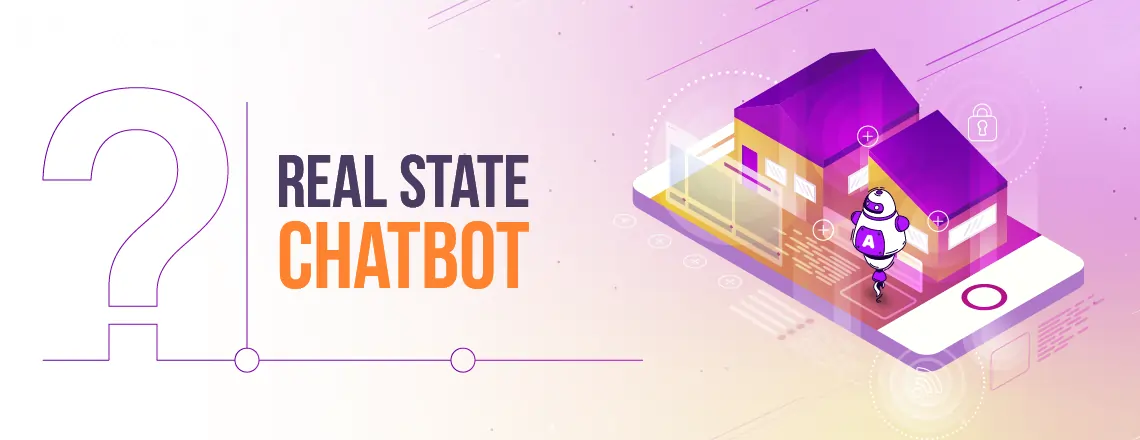
A real estate chatbot is a powerful AI tool that is built to engage with buyers and sellers on behalf of real estate businesses. It can be integrated into the website, app, or social media platforms. About property listings, availability for viewings, prices, and location, these chatbots can respond to frequently asked questions from potential purchasers. Frequently, the AI chatbots get information directly from real estate websites or property databases.
They are revolutionizing customer service by streamlining routine interactions and freeing up real estate brokers’ time to focus on more complex responsibilities. Real estate chatbots may also qualify leads by asking questions about budget, preferred locations, and schedule.
AI bots may function on a variety of platforms, such as social media, messaging applications, and standalone landing pages. As a result, they are quite accessible and convenient for prospective customers who want quick responses at any time. Furthermore, it enables your real estate business to keep up with market trends.
A real estate chatbot can do specific tasks such as:
- Respond to frequently asked questions regarding pricing, availability, and properties.
- Gather lead details (name, email address, phone number, choices).
- Suggest properties based on price and location.
- Make arrangements for meetings and viewings of the property.
- Give financial predictions and mortgage calculators.
- Provide multilingual support to clients worldwide.
Benefits of Using a Real Estate Chatbot in 2025
There are many benefits of using a real estate chatbot that helps businesses to interact with customers. Some of them are explained in brief:
1. 24/7 Availability

Customers now visit real estate postings at any time of day or night, on weekends, or when they are traveling, in our digital-first environment. Your business is always accessible thanks to a chatbot, which delivers quick responses without forcing potential clients to wait. This minimizes lead dropoff and establishes your agency as dependable and quick to respond.
2. Better Customer Experience
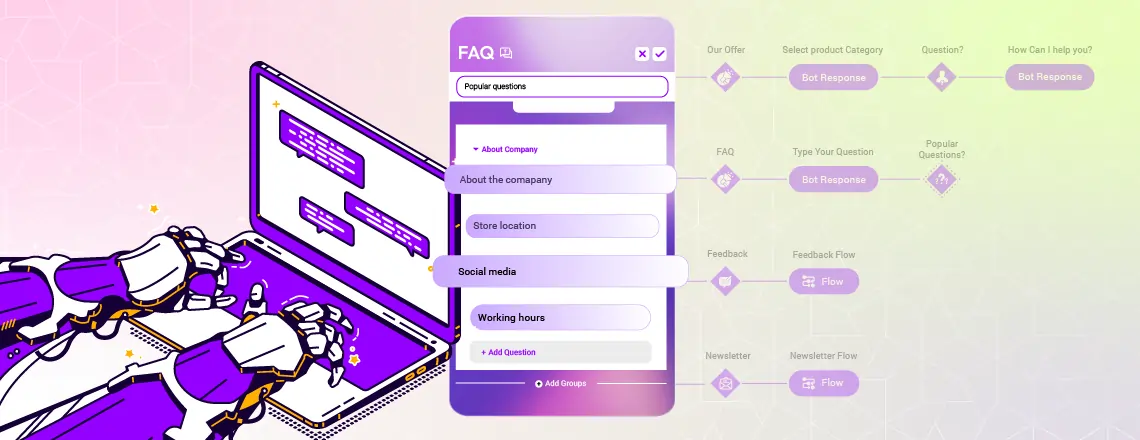
When a potential buyer has questions like, “Is this property still available? “How much does it cost? ” and “May I set up a tour? ” they sometimes ask right away. A chatbot responds right away, eliminating lag times that annoy consumers. AI-driven personalization enables bots to propose properties that match a client’s criteria, resulting in a seamless and customized experience.
3. Effectiveness in terms of time and cost
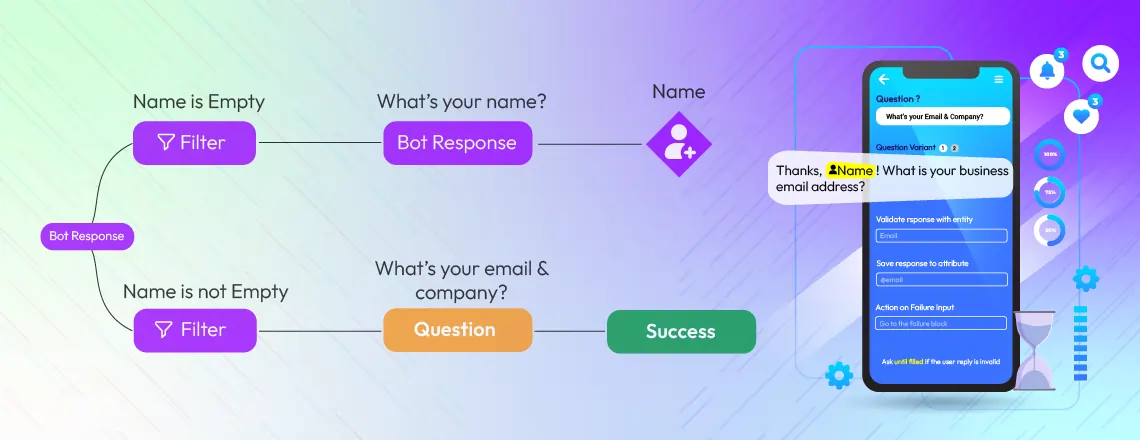
Agents waste hours sorting through unqualified leads and responding to repetitive questions. These duties are automated by a chatbot, which decreases the need for more employees and frees up agents to concentrate on potential clients. This efficiency improves scalability while saving time and money.
4. Quicker Lead Qualification
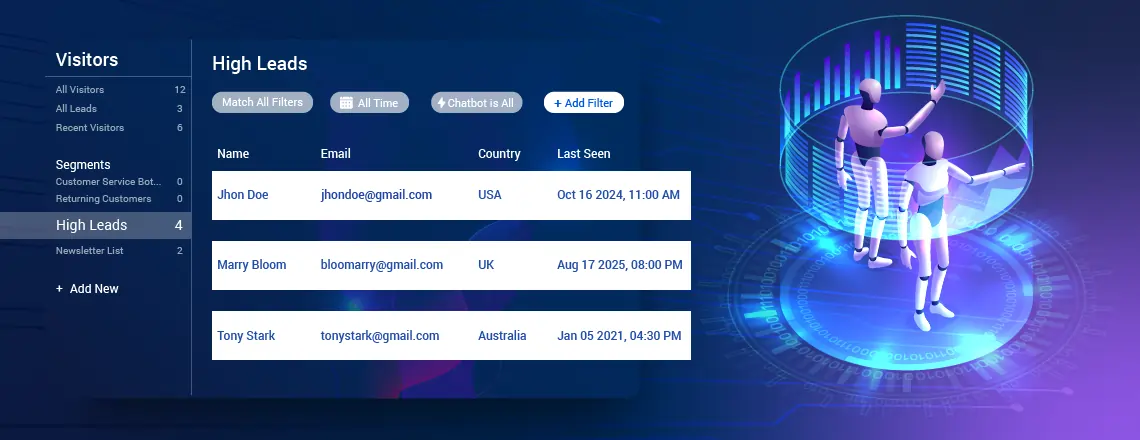
To find potential leads, chatbots ask insightful questions about budget, location preferences, and move-in schedules. They provide this data directly to agents, who can then give preference to customers with strong intentions. This speeds up the closing process and shortens the sales cycle.
5. Superior Lead Management and Follow-Up

Chatbots, which are integrated with a CRM, maintain lead information in an organized manner and automate follow-ups via reminders, property updates, or check-in messages. Bots nurture leads by keeping the conversation going, preventing them from going cold until they are ready to take action.
Advantages of Real Estate Agents’ chatbots
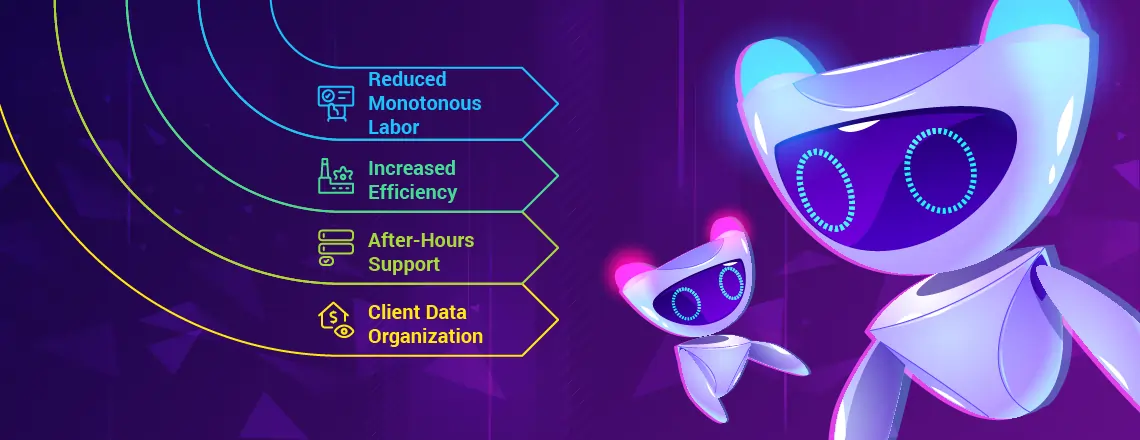
Real Estate Agents’ chatbots provide various benefits in everyday life. There are many advantages to using this; some of them can be described as:
- Lower the amount of monotonous labor: Bots manage FAQs, appointment scheduling, and property details, allowing agents to concentrate on negotiations and closings.
- Increase efficiency: Agents may handle a larger clientele without becoming overburdened since regular duties are automated.
- After-hours support: Bots collect leads even when agents are not online, making sure that no opportunity is missed.
- Client data organization: Chatbots record preferences and contact information in real time, allowing agents to have a complete understanding of client needs.
8 Free AI Chatbots for Customer Support in 2025 (No Coding Needed)
Top Real Estate Chatbot Platforms for 2025
Chatbots are more than just chatting tools; they offer various functions. The market is filled with these AI tools, but here are some of the top-ranking chatbots in 2025:
1. Chatboq
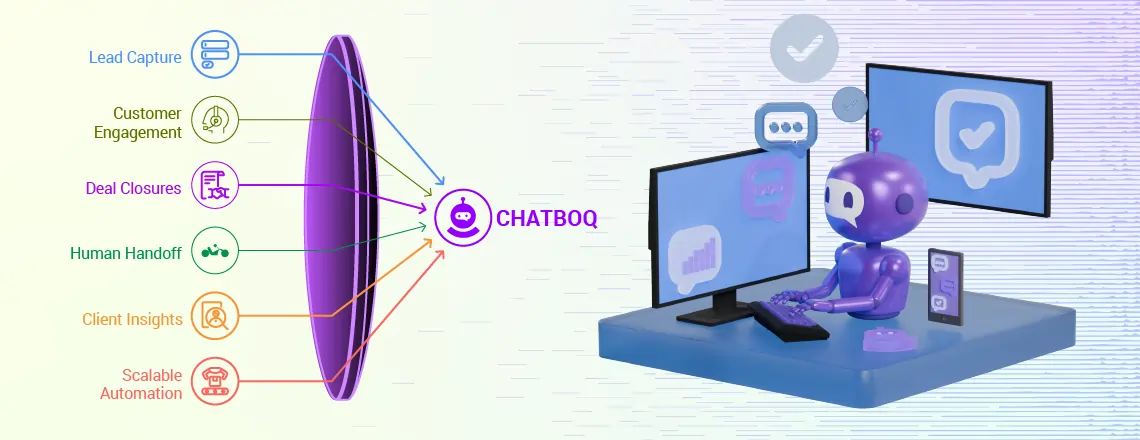
Chatboq helps real estate businesses increase leads, close more deals, and improve customer experiences in 2025 by combining automation, AI, and human support in one platform. Unlike generic chat tools, Chatboq is tailored for real estate workflows with templates and integrations that align with the property-buying journey.
Here’s how Chatboq can boost your business:
- Capture More Qualified Leads: With customizable forms, automated follow-ups, and smart filtering, Chatboq ensures no potential buyer or renter slips through the cracks.
- 24/7 Customer Engagement: AI-powered replies and multilingual support let you handle inquiries at any hour, from property availability to scheduling tours.
- Faster Deal Closures: Features like in-chat payments, co-browsing (MagicBrowse), and interactive product tours make it easier for clients to explore listings and commit without delays.
- Seamless Human Handoff: When prospects are ready for deeper discussions, Chatboq instantly connects them to the right agent through round-robin routing and LiveChat integration.
- Better Client Insights: Built-in CRM tools track customer profiles, timelines, and activity, giving your team valuable data to personalize every interaction.
- Scalable Automation: From keyword-based triggers to AI-generated answers, Chatboq automates repetitive tasks so agents can focus on high-value negotiations.
- Performance Tracking: Advanced analytics and reporting provide clarity on lead quality, agent performance, and conversion rates.
- By combining lead generation, AI automation, and CRM intelligence, Chatboq transforms a simple chatbot into a revenue-driving engine for real estate companies in 2025.
2. Chatbot

An intuitive platform featuring drag-and-drop builders and customizable real estate templates. It works with CRMs, Facebook Messenger, and LiveChat. It is recognized for its sophisticated data collection and personalization features. It’s among the top chatbots available, and it has the potential to elevate your company to new heights.
With its drag-and-drop visual builder and reporting section, you can keep track of leads with automatically gathered data and ensure your agents focus on high-stakes activities. With the LiveChat integration, customers are connected with a live agent who can assist them in completing the transaction or provide any more information they may need to do so.
3. Tidio
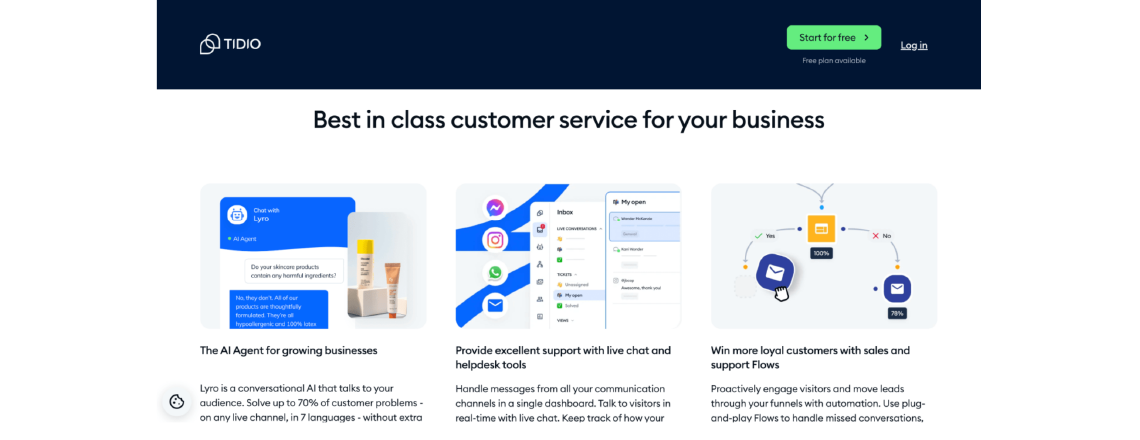
Combines live chat with AI automation. Perfect for businesses of all sizes. Supports multichannel communication (web, email, Messenger) and offers analytics to improve interactions. For small to medium-sized businesses wishing to automate communication while maintaining a human touch when necessary, Tidio is a decent real estate chatbot platform. It automates mundane duties like responding to property inquiries or scheduling viewings, allowing agents to participate in conversations in real time.
4. ManyChat

The main emphasis is on automating social media. Ideal for companies that are active on Facebook and Instagram. It also facilitates email and SMS marketing. It enables agents to develop automated conversations that feel personal, directing users to see listings, arrange viewings, or ask questions. Agents can establish robust funnels without coding thanks to the helpful contractor. From a single location, real estate agents can follow up on SMS and email using ManyChat, which makes it easier for them to manage their follow-ups across various channels.
5. Zoho SalesIQ’s Zobot
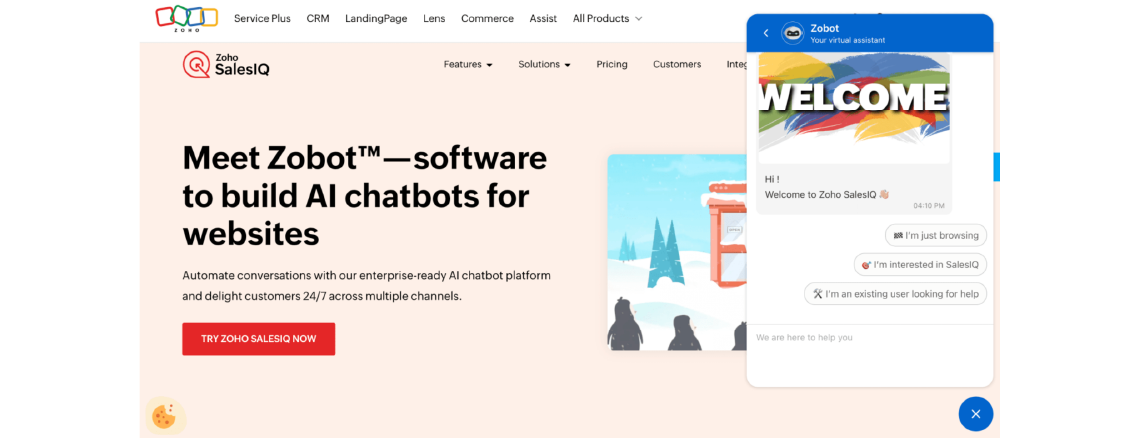
Ideal for teams that are currently utilizing Zoho CRM. Zobot provides automated FAQ, scheduling, and lead management with flawless CRM integration. Furthermore, agents have the option to create smart triggers based on visitor behavior, allowing for timely contact when a user is at their peak level of interest. The platform enables omnichannel communication. Zobot, which incorporates the SalesIQ tool, is a logical match that increases productivity, particularly in mobile and social media, enabling agents to maintain contact with their clients wherever they may be. And customer interaction without changing platforms.
6. Drift
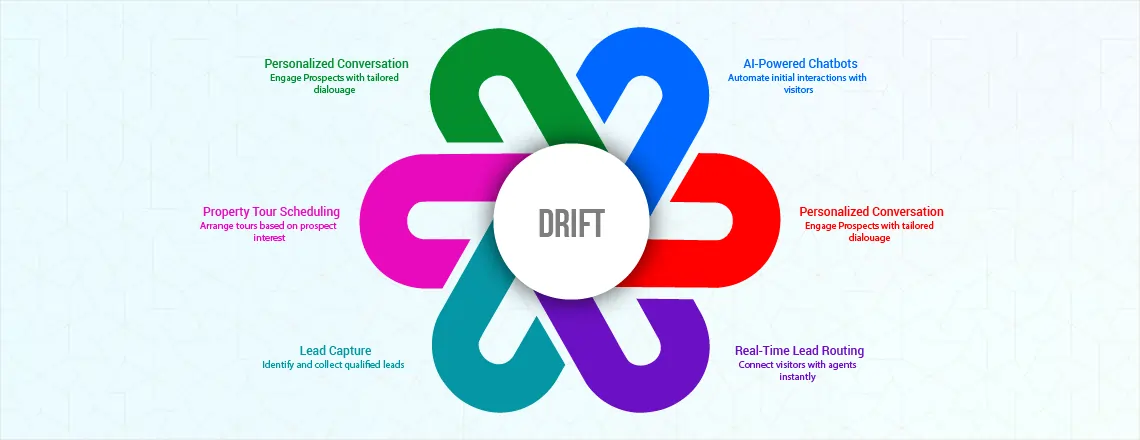
Drift specializes in conversational marketing and sales, making it ideal for real estate businesses that want to accelerate deal flow. With AI-powered chatbots, account-based marketing, and real-time lead routing, Drift ensures that high-intent visitors are instantly connected with the right sales agent. For real estate agencies, Drift helps capture qualified leads, schedule property tours, and nurture prospects through personalized conversations.
7. Intercom

Intercom is one of the most versatile customer communication platforms, offering real estate businesses a mix of chatbots, live chat, and AI-driven engagement. Its Resolution Bot answers FAQs automatically, while the no-code builder allows agencies to create workflows for booking appointments, answering financing questions, or sending property recommendations. With integrations into CRMs, email, and social media, Intercom ensures consistent and personalized experiences across all touchpoints.
8. MobileMonkey
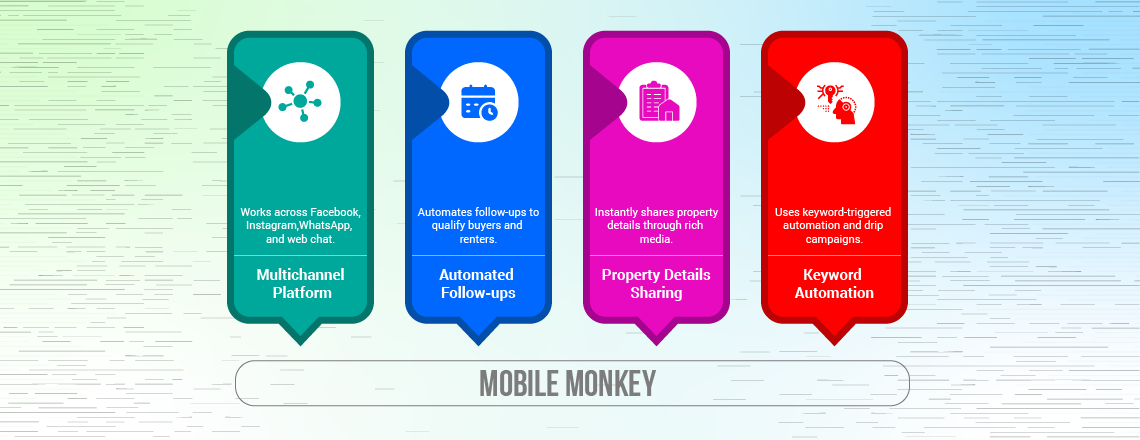
MobileMonkey is a multichannel chatbot platform that works across Facebook Messenger, Instagram, WhatsApp, and web chat widgets, making it powerful for real estate lead generation. Agents can automate follow-ups, qualify buyers and renters, and instantly share property details through rich media like images, carousels, and links. With keyword-triggered automation and drip campaigns, MobileMonkey helps real estate businesses engage prospects long after the first inquiry.
Key Use Cases of Real Estate Chatbots

Real Estate Chatbots can be heard only in the real estate business. These tools provide the necessary service for obtaining data and facilitating seamless interaction between buyers and agents. Here’s how it is transforming the real estate business in
1. FAQs and Property Information

Share property information right away, including prices, images, floor layouts, and availability. Give agents more time to focus on their tasks.
2. Lead Creation

Chatbots initiate discussions, pose qualifying questions, and gather contact data. They can even keep leads right in a CRM.
3. Scheduling & Appointments

To arrange property viewings right away and avoid endless back-and-forth contact, bots synchronize with calendars.
4. Tours in virtual reality

In the chat window, AI chatbots can immediately begin virtual reality property presentations or video tours.
5. Financial Counseling and Mortgage Calculators

Bots are able to collect financial information, evaluate affordability, and generate immediate mortgage projections, which aid consumers in making wise selections.
6. Support for Multiple Languages

Chatbots that speak many languages increase your reach as the global customer base and cultural variety grow.
7. Customer Data Analysis

Each chat discussion provides useful information. Businesses may prioritize high-intent leads, evaluate patterns, and improve their marketing strategies.
How to implement a Real Estate chatbot?
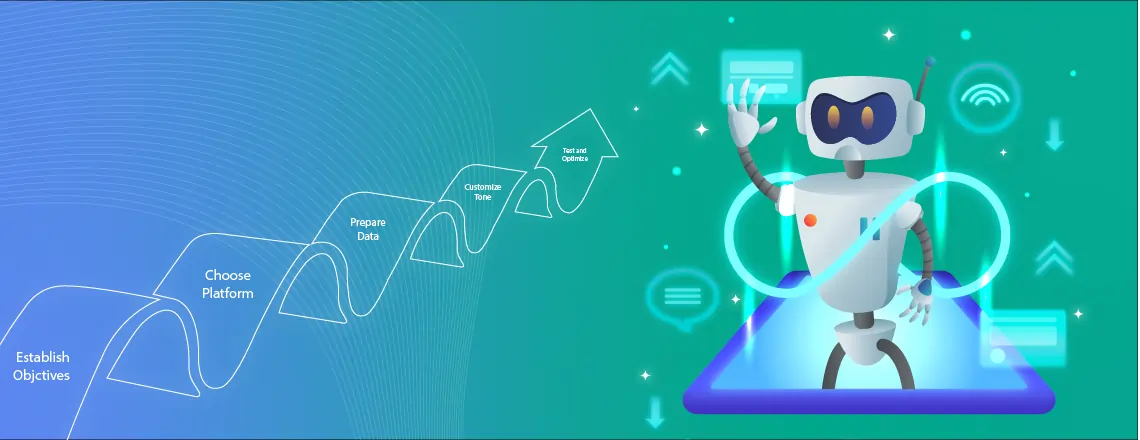
Real estate chatbots are no longer a luxury in today’s fast-paced digital environment; rather, they are a need for maintaining competitiveness. It can serve as a virtual assistant around the clock, improve the customer experience, and streamline operations. However, a planned strategy is necessary for a successful execution. This guide provides the essential procedures to take to make sure your chatbot provides real value.
1. Establish your objectives

The first and most important step is to establish the goal of your chatbot. What do you hope it will accomplish? Is its main purpose to generate leads and to act as the first point of contact for gathering and qualifying visitors’ data? It may be used to arrange property viewings, which would lessen the amount of manual labor involved in dealing with several clients. Alternatively, it may be created to offer customized property advice based on a user’s tastes and financial constraints. The data you enter into the platform you select will be guided by clearly defined objectives that will inform all future choices. If your chatbot lacks a specific purpose, it may turn out to be more of a gimmick than a useful business instrument.
2. Choose the Best Chatbot Platform

The features and restrictions of your chatbot will depend on the platform you select. To make sure the bot can comprehend and answer user requests, look for a platform that has strong AI features like Natural Language Processing (NLP). A real estate chatbot must have smooth CRM integration.
It gives the bot the ability to deliver lead information directly into your sales pipeline, monitor client interactions, and give you a complete picture of the customer journey. Additionally, confirm that the platform supports multichannel deployment, enabling your chatbot to be operational on your website, social media profiles, and even messaging apps like WhatsApp.
3. Get Your Data Sources Ready
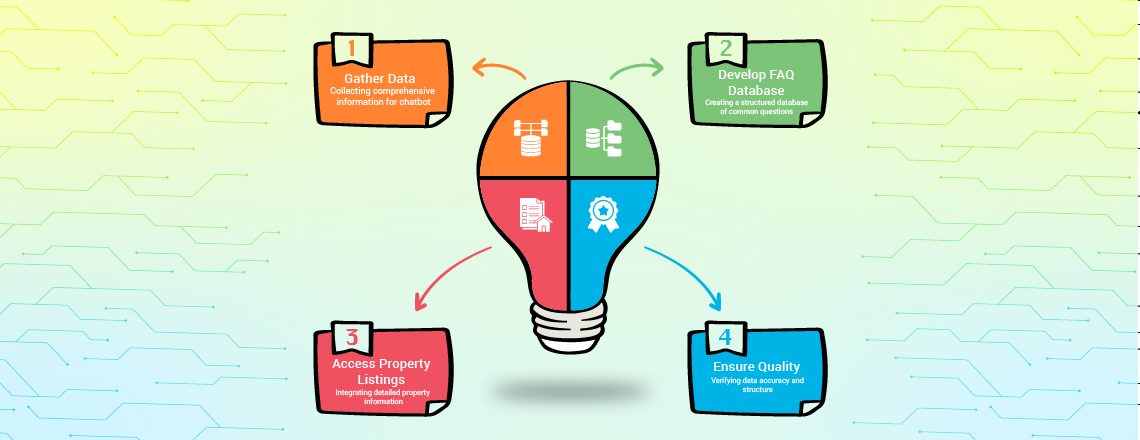
The effectiveness of a chatbot depends on the information at its disposal. This implies gathering complete and accurate data sources for a real estate chatbot. Develop a comprehensive FAQ database that addresses frequently asked questions regarding your services, the purchasing/selling procedure, and specific properties. In order to give quick and correct answers, your chatbot should have access to your property listing information, such as photos, descriptions, costs, and amenities. The bot’s capacity to deliver valuable and relevant answers will be greatly influenced by the quality and structure.
4. Make the Bot’s Tone & Workflows Your Own
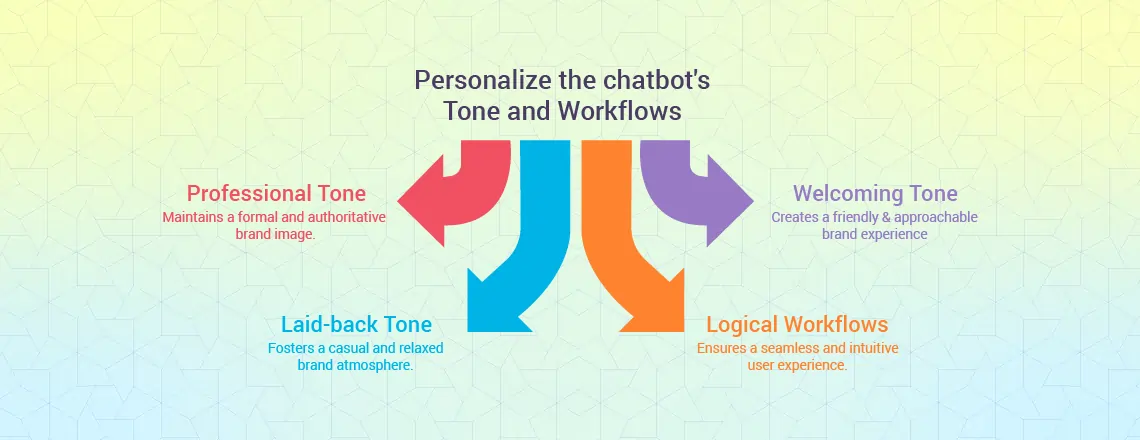
Your chatbot should be an extension of your brand. Depending on your brand’s identity, you may personalize its tone to be professional, welcoming, or more laid-back. Create conversation workflows that are logical and intuitive. For instance, the bot should confirm the user’s interest in a home before giving important information and, lastly, suggesting a meeting. Or connect them with an agent. Users are led through the sales funnel without becoming frustrated thanks to these well-designed workflows, which provide a seamless and beneficial experience.
5. Test, launch, and optimize
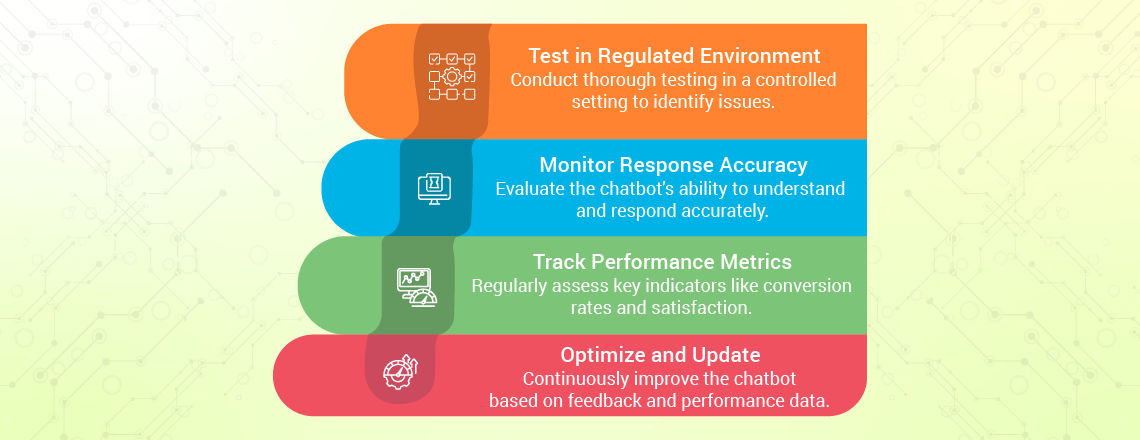
Thoroughly test your chatbot in a regulated environment before it goes live. Have a small number of users or team members try out different queries, such as frequent inquiries, complicated requests, and even misspellings. Monitor the response accuracy and pinpoint any places where the bot has trouble figuring out the user’s objective. After the launch, the job is not complete. Regularly track its performance by monitoring critical indicators such as lead conversion rates, customer satisfaction ratings, and feedback. Use this information to perfect the bot’s answers, add new FAQs to its knowledge base, and optimize its procedures so that it continues to be a very helpful asset for your company.
Case studies

The success of businesses that have successfully incorporated real estate chatbots into their operations is the best way to demonstrate the advantages of a well-implemented one. These case studies demonstrate how chatbots can have a big impact on important company measures.
- By employing a chatbot, the Turkish real estate valuation site Endeksa saw a significant 138% rise in lead generation. They used an interactive survey to engage visitors, enabling the chatbot to learn about their particular wants and choices, rather than using a typical contact form. In addition to generating more leads, this strategy also gave their sales staff access to better, pre-qualified data.
- Bo. fi, the online real estate marketplace in Finland, employed chatbots to facilitate communication and enhance the customer experience. The bot effectively handled popular inquiries and automated the scheduling of property viewings, allowing agents to concentrate on more complicated responsibilities. By offering round-the-clock immediate support, Bo. Fi improved customer interactions and streamlined operations.
- SpainForSale, a high-end real estate company, employed an innovative strategy to customize the user experience. Visitors were led through a series of questions about their ideal home, financial situation, and lifestyle by their quiz-style chatbot. The bot’s ability to provide very specific property recommendations, thanks to this engaging format, improved the search experience and made it more productive for prospective purchasers.
- AI chatbots have also been adopted by well-known international brands such as Redfin, Compass, and Century 21. At scale, these businesses employ chatbots to answer basic client questions. By automating answers to common queries and routing complex requests to the appropriate agents, they provide a consistent and prompt level of service throughout their huge networks. Successfully expanded their client interaction efforts while maintaining a high level of service.
Future Trends in Real Estate Chatbots
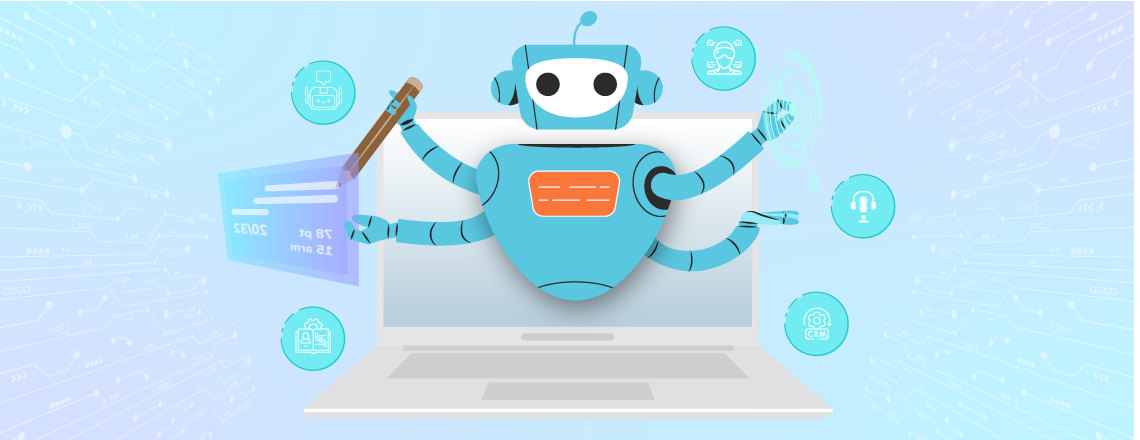
As the chatbot demand increases, there is a large portion of the market that is evolving quickly. These are the key trends to watch in 2025:
1. Independent AI Agents

Future robots will be able to do things within apps, such as update customer profiles and finish transactions, unlike typical chatbots, which can only answer queries.
2. Integration of AR/VR

Imagine a buyer requesting a property tour, and the chatbot immediately initiates an interactive virtual reality tour.
3. Chatbots that use voice

Voice-enabled chatbots will allow clients to schedule appointments or view listings using spoken commands, thanks to the growth of voice search and smart speakers.
3. Enhanced integration of CRM and proptech
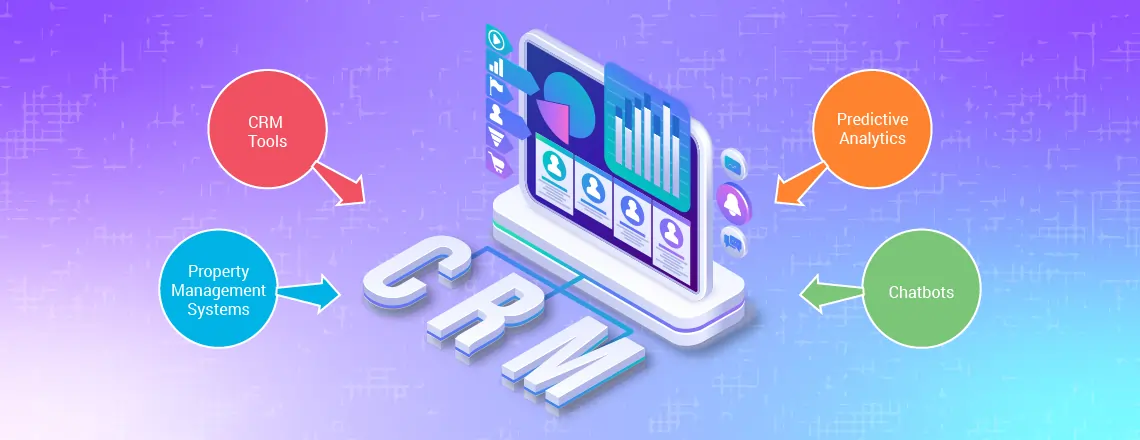
For more efficient workflows, chatbots will seamlessly integrate with CRM tools, predictive analytics, and property management systems.
4. Predictive Personalization
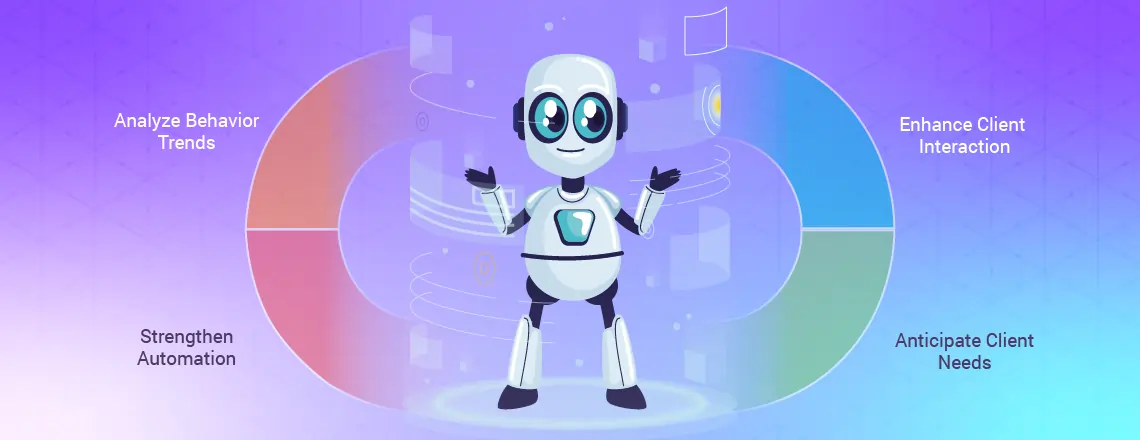
By analyzing behavior trends with the use of AI, chatbots will be able to anticipate a client’s demands before they even express them. These trends will continue to change how real estate firms interact with clients, making automation more potent than before.
Conclusion
As the modern era is full of surprises, the real estate market is also evolving with these new advancements. Nowadays, people demand instant communication, round-the-clock availability, making chatbots a great tool for success, as the article shows that these AI-powered assistants are not just for answering FAQs but also a strategic asset that enhances the entire customer experience. With its major features such as 24/7 availability, seamless communication that will ensure no lead is missed, and boosting accessibility client trust.
These tools deliver the best customer experience through fast, personalized responses from property recommendations to scheduling viewings. Even freeing the other human errors will help in providing assistance in less time to focus on highly valuable tasks such as negotiations and closings.
Furthermore, Chatbots are good at getting faster lead qualification. Utilizing a chatbot is a strategic step that establishes your company as contemporary, productive, and customer-centric rather than just a technological improvement. Whether it’s an agent juggling many listings or a huge brokerage handling hundreds of clients, a chatbot makes sure that no opportunity falls between the gaps. With features like lead qualification, scheduling, virtual tours, and multilingual assistance, these AI assistants do more than simply help your company.
To conclude this topic, we can state that in the real estate business, chatbots are no longer just a tool that is an option; it is crucial. These instruments are used to enhance client satisfaction, efficiency, and development. So , businesses and individuals should all start integrating to get more leads and maintain a competitive edge.
Frequently asked questions(FAQs)
In real estate, chatbots automate client interaction through answering FAQs, qualifying leads, scheduling property viewings, recommending listings, and collecting customer data. This saves time for agents, ensures 24/7 availability, and improves customer engagement.
Yes. AI-powered chatbots qualify leads by asking smart questions about budget, location, and preferences. They collect contact details, nurture prospects with follow-ups, and identify high-intent buyers, making lead generation more efficient and scalable.
AI is used through automation of customer support, predicting property valuation, market trend analysis, recommending personalized listings, and streamlining transactions.
Top chatbot platforms in 2025 include ChatBot, Tidio, ManyChat, Zoho’s Zobot, Structurely, and Voicetta. Choice depends on business needs, budget, multichannel support, CRM integration, or advanced AI features.
Realtors use AI to capture and qualify leads, recommend properties, analyze customer behavior, automate marketing campaigns, manage follow-ups, optimize pricing strategies, conduct virtual tours, and leverage predictive analytics.
Risks include over-reliance on automation, potential data privacy issues, and miscommunication. Proper guidance, human oversight, and regular updates help minimize these risks.
Future AI trends include advanced chatbots, voice assistants, AR/VR property tours, predictive pricing analytics, and fully integrated AI agents handling transactions end-to-end. Early adoption gives businesses a competitive advantage.
Yes, ChatGPT helps brokers with marketing ideas, content optimization, website improvement, market trend analysis, and administrative tasks. Users should fact-check for compliance and specific market data.
A real estate chatbot is an AI tool that engages with buyers and sellers on behalf of real estate businesses. It can be integrated into websites, apps, or social media platforms.
The Turkish real estate valuation site Endeksa used a chatbot with an interactive survey, increasing lead generation by 138%. The chatbot learned about visitor preferences instead of using a traditional contact form.

Daniel Wong
Technical Content Writer
My name is Daniel Wong, a Technical Content Writer from Singapore with a strong interest in AI-powered tools and digital automation. At ChatBoq AI, I focus on creating practical and easy-to-follow content that helps businesses and individuals understand how chatbots work and how to use them effectively.
I enjoy breaking down complex topics like natural language processing (NLP) and conversational AI into simple guides that anyone can follow. Each article is based on careful research, real-world examples, and testing to ensure accuracy and reliability.
Through ChatBoq AI, my goal is to provide readers with trustworthy insights, step-by-step tutorials, and the latest trends in chatbot technology.
✍️
Expert in AI & Chatbot Technology

Leave A Comment