
The ChatBot Advantage in Streamlining B2B Event Promotion – The Chat Shop Case Study
B2B event promotion chatbot technology is transforming how companies market their events. In today’s competitive landscape, promoting B2B events effectively requires more than traditional email blasts and manual follow-ups. The Chat Shop, a leading provider of conversational AI solutions, discovered this firsthand when they needed to promote their annual industry conference. The solution? Implementing an intelligent chatbot for B2B event promotion that revolutionized their entire event marketing strategy. This case study explores how The Chat Shop leveraged its own technology to achieve remarkable results, demonstrating the transformative power of conversational AI in event management.
📑 Table of Contents
- The ChatBot Advantage in Streamlining B2B Event Promotion – The Chat Shop Case Study
- The Challenge: B2B Event Promotion Pain Points
- The Solution: Implementing Chatbots for Event Promotion
- How The Chat Shop’s Chatbot Streamlined Event Promotion
- The Results: Measurable Impact and ROI
- Key Takeaways and Best Practices
- The Future of B2B Event Promotion with AI
- Implementing Your Own Event Chatbot: Getting Started
- The Strategic Imperative: Why Event Chatbots Matter
- Conclusion: The Chat Shop’s Blueprint for Success
- Frequently Asked Questions (FAQs)
The Challenge: B2B Event Promotion Pain Points
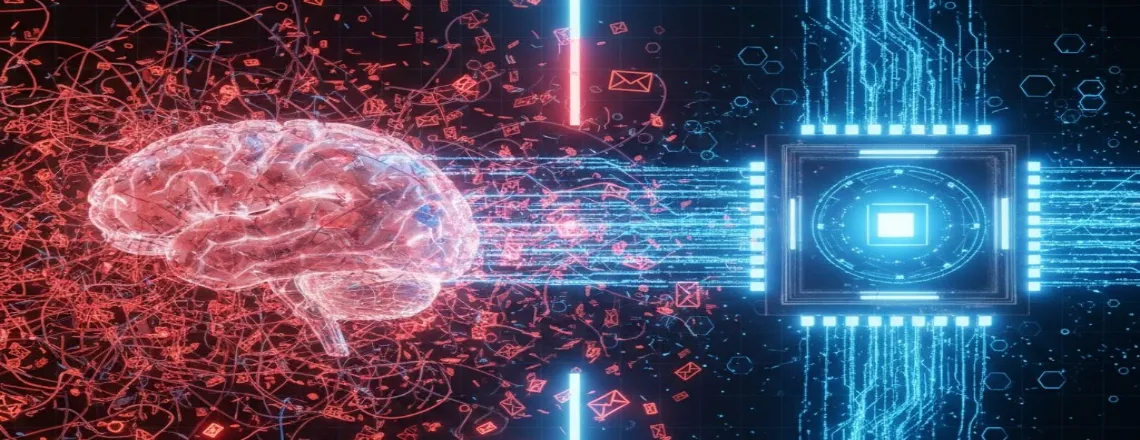
Before implementing their chatbot solution, The Chat Shop faced familiar challenges that plague many organizations in the b2b event space. Email open rates hovered around 18%, well below industry benchmarks, and manual registration processes were consuming valuable staff hours that could have been allocated to strategic marketing initiatives. The team struggled with several critical pain points that demanded immediate attention.
Key challenges included:
- Low engagement rates: Traditional email campaigns failed to capture attention in crowded inboxes, with most messages ignored or deleted
- Manual inefficiency: Registration management required constant human intervention, consuming 320+ staff hours per event
- Personalization limitations: Customizing communications for thousands of contacts manually proved unfeasible at scale
- Lead nurturing gaps: Maintaining consistent touchpoints before, during, and after events stretched resources too thin
- ROI measurement difficulties: Traditional analytics provided basic metrics but missed nuanced interactions that drove actual registrations
The sheer volume of repetitive questions about event logistics, agenda details, and registration procedures overwhelmed staff members. Answering the same questions repeatedly diverted attention from higher-value activities like building relationships with key stakeholders and developing compelling content marketing strategies. The marketing teams needed more profound insights into prospect behavior and preferences to optimize their approach effectively.
The Solution: Implementing Chatbots for Event Promotion
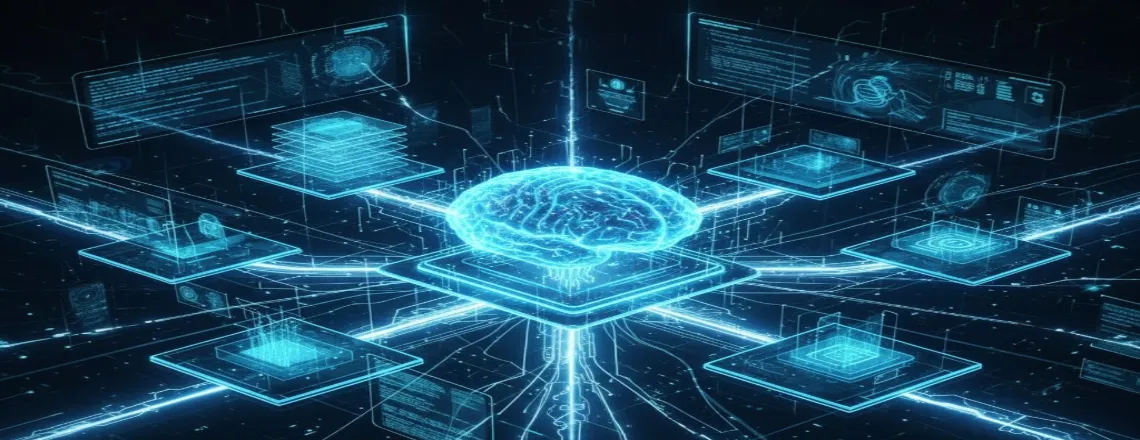
Recognizing these challenges, The Chat Shop decided to practice what they preached by deploying their own AI-powered chatbot solution for event promotion. This wasn’t just about automation; it was about creating a seamless, personalized experience that would guide prospects through every stage of the event journey while demonstrating the practical value of conversational AI.
The implementation strategy centered on integrating AI into their existing marketing automation platforms and CRM systems. By connecting the chatbot to their tech stack, they ensured that every interaction informed their broader strategic marketing efforts and contributed to a unified view of each prospect.
Core implementation components:
- Omnichannel deployment: Chatbot embedded on event website, Facebook Messenger, WhatsApp, and LinkedIn direct messages
- Natural language processing: Understanding complex queries and responding conversationally
- Dynamic content delivery: Personalized recommendations based on user profiles and behavior
- Seamless calendar integration: One-click registration and calendar additions
- Sophisticated lead scoring: Automated qualification prioritizing high-value prospects
- Continuous learning: Machine learning algorithms improve responses based on each interaction
The chatbot was designed to operate 24/7 without additional cost, meaning ROI improved with scale. This omnichannel approach meant prospects could engage wherever they felt most comfortable, reflecting modern business practices where buyers expect flexibility in how they interact with brands.
How The Chat Shop’s Chatbot Streamlined Event Promotion
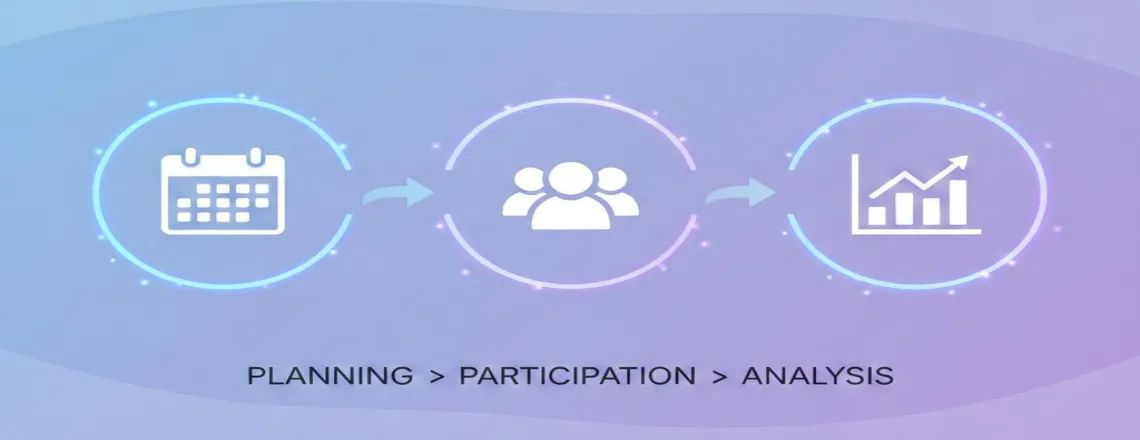
Pre-Event Phase: Building Anticipation and Driving Registrations
The pre-event phase is where the chatbot truly demonstrated its value in transforming B2B marketing approaches. Rather than waiting for prospects to navigate a static registration page, the chatbot proactively engaged visitors with personalized greetings based on their browsing behavior and previous interactions with The Chat Shop.
When a prospect landed on the event page, the chatbot initiated a conversation with contextual awareness. For first-time visitors, it provided an overview of the event value proposition. For returning visitors, it picked up where previous conversations left off, demonstrating continuity that manual processes rarely achieve. The conversational registration process reduced form abandonment by 35% compared to traditional methods.
Pre-event capabilities that drove results:
- Personalized event recommendations: Suggesting specific sessions, workshops, and networking opportunities aligned with individual goals
- Instant FAQ responses: Providing real-time customer support 24/7 for venue, accommodation, and agenda questions
- Conversational registration: Gathering information through natural dialogue rather than lengthy forms
- Automated reminder sequences: Personalized alerts about early-bird pricing, session registration, and networking meetups
- Intelligent escalation: Seamlessly transferring complex queries to human team members when needed
One of the most potent applications was how the chatbot used its understanding of prospect profiles to deliver relevant value propositions. By analyzing industry segments and stated interests, it suggested specific sessions that addressed each individual’s challenges. This use of AI to improve relevance transformed generic event promotion into targeted messaging that resonated deeply with prospects and demonstrated a genuine understanding of their needs.
The chatbot also eliminated delays inherent in email-based support, where prospects might wait hours or days for responses. Questions were answered immediately, removing friction from the decision-making process and maintaining momentum when interest peaked. This immediate assistance proved critical, as research shows purchase decisions often hinge on removing small obstacles at the right moment.
During-Event Phase: Enhancing Attendee Experience
The chatbot’s utility extended far beyond registration. During the event itself, it became an indispensable companion for attendees, providing real-time support that enhanced the overall experience and engagement, and conversion opportunities significantly.
Attendees accessed the chatbot through a dedicated event app and via messaging platforms they already used daily. This eliminated the need to download and learn new tools, reducing friction and encouraging adoption. The chatbot greeted attendees each morning with personalized daily agendas highlighting sessions relevant to their interests, ensuring they never missed valuable content.
During-event features that elevated experiences:
- Real-time navigation: Turn-by-turn guidance to session rooms, exhibitor booths, and venue amenities
- Intelligent networking: Suggesting relevant connections based on profiles, interests, and objectives
- Live polling and Q&A: Collecting audience questions, organizing by topic and popularity
- Session reminders: Personalized alerts five minutes before registered sessions
- Sponsor connections: Qualifying attendee interest and scheduling booth visits
- Emergency support: Immediate assistance for lost badges, technical issues, or accessibility needs
The networking facilitation created exceptional value beyond formal programming. The chatbot could introduce two attendees with complementary needs, schedule informal meetups, and provide conversation starters based on shared interests. This demonstrated how AI chatbots and virtual assistants could drive measurable business outcomes for all event stakeholders.
For sponsors and exhibitors, the chatbot served as a powerful qualification tool. When attendees expressed interest in specific solutions, the chatbot gathered relevant information about needs, budget, and timeline before scheduling meetings. This approach delivered warm leads rather than cold contacts, significantly improving sponsor satisfaction and demonstrating clear ROI on their event investment.
Post-Event Phase: Maximizing Long-Term Value
The post-event phase is where many organizations struggle to maintain momentum, but The Chat Shop’s chatbot ensured continuous engagement long after attendees left the venue. The integration of AI within their follow-up strategy transformed one-time event participants into long-term community members and qualified prospects.
Immediately after the event concluded, the chatbot sent personalized thank-you messages acknowledging specific sessions attended and connections made. This personal touch, delivered at scale, reinforced positive impressions and kept The Chat Shop top-of-mind during the critical window when memories were fresh, and enthusiasm remained high.
Post-event engagement strategies:
- Curated content delivery: Session recordings, slides, and resources based on attended sessions
- Conversational surveys: Dialogue-based feedback collection, achieving 58% higher response rates
- Lead qualification: Scoring based on engagement level, expressed needs, budget indicators, and purchase timeline
- Immediate sales routing: High-value leads transferred to representatives with comprehensive context
- Future event nurturing: Recommendations for upcoming webinars, workshops, and conferences
- Community building: Invitations to online forums, discussion groups, and exclusive content
The chatbot AI analyzes customer interactions throughout the event journey to assign sophisticated lead scores. This ensured sales representatives received qualified prospects with genuine interest and budget authority rather than wasting time on contacts who attended purely for educational purposes with no near-term purchasing intent.
Nurturing campaigns for future events began immediately, maintaining regular touchpoints with valuable content and relevant opportunities. By building an engaged community rather than a transient event audience, The Chat Shop dramatically increased lifetime customer value and created a foundation for sustainable growth across various marketing initiatives.
The Results: Measurable Impact and ROI
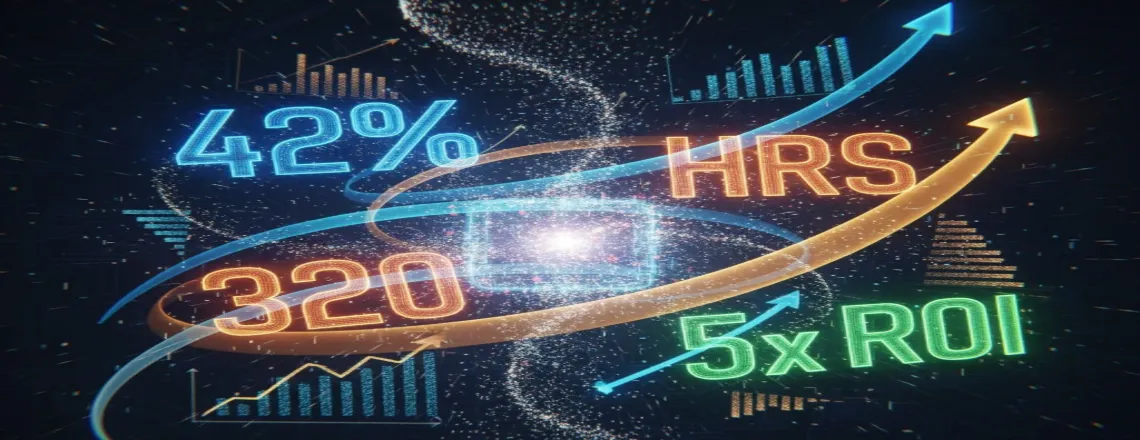
The impact of The Chat Shop’s chatbot implementation was substantial and measurable across multiple dimensions. Registration conversions increased by 42% compared to the previous year’s event, directly attributable to the frictionless registration experience and personalized recommendations that addressed individual prospect needs effectively.
Key performance metrics:
- 42% increase in registration conversion rates
- 320 staff hours reclaimed from repetitive tasks
- $15,000 saved in labor costs for a single event
- 28% improvement in session attendance rates
- 1,500+ networking connections facilitated by the chatbot
- 35% increase in sales-qualified leads
- 38% reduction in cost per registration
- 89% “excellent/outstanding” attendee satisfaction ratings
- 3.5x marketing ROI versus 2.1x the previous year
The marketing and sales teams redirected reclaimed hours toward higher-value activities like content creation, relationship building, and strategic planning. This represented not just cost savings but opportunity gains, as team members focused on activities that directly drove revenue rather than administrative tasks that could be automated.
Lead quality improved substantially, with the chatbot’s sophisticated qualification process ensuring sales representatives received prospects with genuine needs, budget authority, and near-term purchasing intent. This efficiency boost meant the sales pipeline grew both larger and cleaner simultaneously, a rare combination that significantly accelerated revenue growth.
Attendee satisfaction scores reached their highest level in the event’s five-year history. Many attendees specifically mentioned the chatbot as a highlight, praising its responsiveness, helpfulness, and personalized approach. Some noted they learned about sessions they would have otherwise missed, while others credited the chatbot with facilitating career-changing professional connections.
Key Takeaways and Best Practices
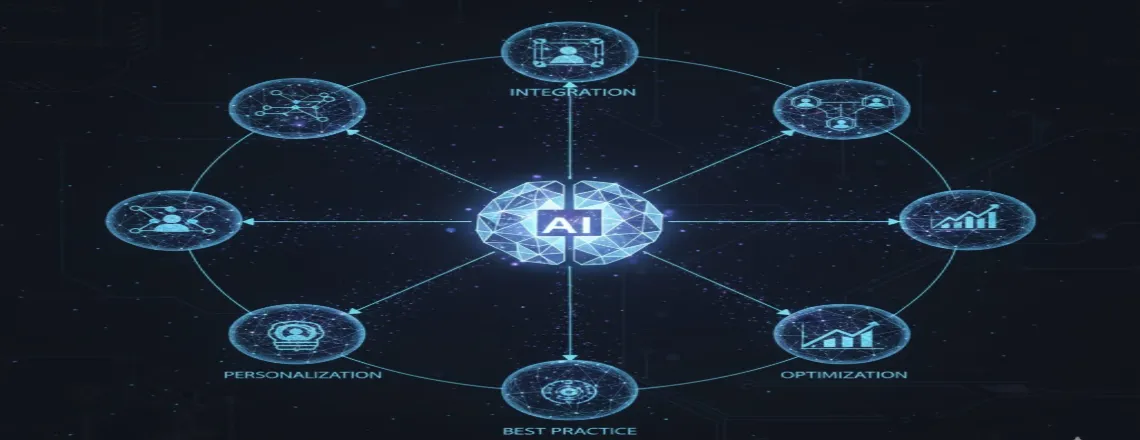
The Chat Shop’s success with its chatbot implementation offers valuable lessons for organizations considering similar approaches. First, successful chatbot implementation requires clear objectives from the outset. The Chat Shop defined specific goals around registration conversions, time savings, and attendee satisfaction, which guided design decisions and enabled meaningful measurement throughout the process.
Critical success factors:
- Clear objectives: Define specific, measurable goals before implementation
- Deep integration: Connect chatbot to CRM, marketing automation platforms, and analytics tools
- Data-driven personalization: Leverage historical interactions, behavioral signals, and explicit preferences
- Omnichannel availability: Deploy across websites, messaging apps, and social platforms
- Continuous optimization: Monitor interactions weekly and iterate based on real usage patterns
- Human escalation: Ensure seamless handoffs to team members for complex issues
- Outcome-focused metrics: Measure business impact (registrations, leads, ROI) rather than vanity metrics
Integration matters more than standalone functionality. By connecting their chatbot to existing marketing automation platforms, CRM systems, and analytics tools, The Chat Shop ensured data flowed seamlessly across their tech stack. This integration of AI within existing infrastructure maximized value without requiring wholesale replacement of proven systems that already worked well.
Personalization at scale demands sophisticated data utilization. The chatbot’s effectiveness stemmed from its ability to leverage historical interaction data, behavioral signals, and explicit preferences to deliver relevant experiences. Organizations must ensure their data infrastructure supports this level of customization before expecting similar results.
Maintaining the human touch, even with automation, proved crucial to success. The chatbot was designed to seamlessly escalate complex issues to human team members, ensuring prospects never felt trapped in an automated loop, unable to reach real assistance. This balance between efficiency and empathy maintained positive sentiment throughout the customer journey.
The Future of B2B Event Promotion with AI

The Chat Shop’s success points toward broader trends in how organizations will promote and manage events in the coming years. Advanced AI capabilities continue evolving rapidly, with generative AI opening new possibilities for dynamic content creation, hyper-personalized communications, and predictive analytics that forecast attendee behavior with unprecedented accuracy.
Emerging AI applications in event marketing:
- Predictive attendance modeling: AI predictive models forecasting likelihood and optimal pricing strategies
- Dynamic content generation: AI content tools producing personalized briefings, summaries, and follow-ups
- Sentiment analysis: Real-time monitoring of attendee emotions and satisfaction levels
- Hybrid event facilitation: Bridging physical and virtual attendees seamlessly
- Voice-activated assistance: Integration with smart speakers and voice platforms
- Translation services: Real-time multilingual support expanding global reach
The marketing industry increasingly recognizes that conversational AI represents a fundamental shift in how brands engage audiences. Rather than interrupting prospects with promotional messages, chatbots create value through helpful, timely assistance that builds trust and positions brands as partners rather than vendors pushing products.
Tools for b2b marketers continue proliferating, with many platforms now offering free version options that allow organizations to experiment with chatbot functionality before committing to enterprise implementations. This democratization of technology means even smaller organizations can leverage AI to streamline event promotion and deliver experiences previously available only to enterprises with substantial technology budgets.
Integration with broader marketing applications creates unprecedented opportunities for coordination. Chatbots that connect to email platforms, social media management tools, and analytics dashboards enable truly integrated campaigns where every touchpoint informs and enhances the others, optimizing marketing performance across the entire prospect journey and eliminating silos that traditionally hindered effectiveness.
Implementing Your Own Event Chatbot: Getting Started
Organizations inspired by The Chat Shop’s success may wonder how to begin their own journey toward technology-driven marketing excellence. The first step involves auditing current event promotion workflows to identify pain points where automation could deliver immediate value and quick wins that build internal momentum.
Implementation roadmap:
- Audit current processes: Identify repetitive tasks, bottlenecks, and frequent questions consuming staff time
- Define success metrics: Establish baseline measurements and improvement targets for key performance indicators
- Select appropriate platform: Evaluate integration capabilities, NLP sophistication, customization options, and pricing
- Map conversation flows: Design prospect journey from awareness through post-event engagement
- Train the chatbot: Feed comprehensive event information, FAQs, and organizational context
- Test thoroughly: Engage team members to stress-test from various user perspectives
- Launch with promotion: Highlight chatbot availability prominently in all event communications
- Monitor and optimize: Track metrics continuously and iterate based on honest user feedback
Building effective conversation flows demands careful planning that anticipates the typical prospect journey from initial awareness through post-event follow-up. Identify key decision points, common questions, and opportunities to provide personalized value at each stage. Start with essential flows covering the most frequent interactions and expand based on real usage patterns rather than attempting to anticipate every possible scenario upfront.
Training the chatbot involves feeding it comprehensive information about your event, organization, and typical inquiries. This includes event logistics, speaker biographies, session descriptions, registration procedures, and policies. The more context the chatbot possesses, the more effectively it can assist prospects and attendees with relevant, accurate information.
Testing thoroughly before launch prevents embarrassing missteps that could damage brand perception. Engage team members to interact with the chatbot from various perspectives—skeptical prospects, eager attendees, lost guests, and confused participants. Identify gaps in knowledge, confusing conversation flows, and opportunities for improvement before external audiences encounter issues.
Promoting chatbot availability ensures prospects actually use it rather than reverting to email or phone support. Highlight the chatbot prominently on event websites and in pre-event communications. Explain the specific value it provides rather than assuming people understand why they should try yet another tool in their already crowded digital lives.
The Strategic Imperative: Why Event Chatbots Matter

Beyond tactical benefits like time savings and improved conversion rates, chatbots represent a strategic marketing shift that organizations ignore at their peril. As buyer expectations evolve rapidly, traditional marketing approaches increasingly feel outdated and frustrating to modern professionals who expect instant, personalized assistance.
Modern B2B buyers expect instant access to information, personalized experiences, and seamless interactions across marketing channels. They research extensively before engaging sales representatives and value brands that respect their time by providing relevant, timely assistance without forcing them through irrelevant content. Chatbots deliver exactly this experience, positioning organizations as modern, customer-centric, and efficient.
Strategic advantages of chatbot adoption:
- Competitive differentiation: Early adopters master emerging tools before they become commoditized
- Enhanced buyer experience: Meeting prospects where they are with instant, personalized assistance
- Organizational learning: Building internal capabilities that inform all marketing applications
- Scalable personalization: Delivering customized experiences without proportional resource increases
- Data-driven insights: Capturing interaction data that reveals true prospect interests and concerns
- Always-on availability: Providing 24/7 support without staffing night shifts or international offices
The technology-driven marketing landscape rewards organizations that develop expertise in conversational AI now, before these capabilities become table stakes and fail to provide competitive advantages. The Chat Shop’s investment in their chatbot not only improved their immediate event outcomes but also established internal capabilities that inform all their marketing applications going forward and position them as innovation leaders.
Across various marketing use cases like lead generation, customer support, and content distribution, conversational AI demonstrates consistent value by improving efficiency while enhancing quality. Events represent an ideal proving ground because the use case is bounded with specific dates and objectives, results are measurable within weeks, and success creates internal advocates who champion broader adoption across other business practices.
The relevance of marketing messages improves dramatically when driven by actual customer-expressed needs rather than assumed preferences based on demographic data or past behavior. Chatbot interactions reveal what prospects genuinely care about in real-time, enabling tailored marketing that resonates rather than generic messages that get ignored or deleted without consideration.
Conclusion: The Chat Shop’s Blueprint for Success
The Chat Shop’s chatbot implementation for event promotion demonstrates how conversational AI transforms traditional marketing challenges into competitive advantages, achieving registration increases of 42%, cost per registration reductions of 38%, and attendee satisfaction scores at five-year highs while proving that ai to streamline event promotion isn’t futuristic speculation but a practical strategy delivering measurable results today that help b2b companies optimize marketing investments and accelerate growth. As the sales and marketing landscape grows increasingly competitive, organizations that embrace conversational AI will pull ahead of those clinging to outdated approaches, with
The Chat Shop’s success offers a clear blueprint: start with clear objectives, integrate with existing systems, prioritize user experience over technical complexity, measure what matters, and iterate continuously based on real user behavior. The future of B2B event promotion is conversational, personalized, and powered by ai technology that uses ai to optimize every stage of the event lifecycle across various marketing channels, and organizations that recognize this reality and act decisively will reap substantial rewards in engagement, efficiency, and ultimately, revenue growth that justifies every dollar invested in integrating ai into their marketing strategy and establishing leadership positions in an increasingly technology-driven marketing industry.
Frequently Asked Questions (FAQs)
Basic chatbot implementation takes 2–4 weeks, while advanced setups with CRM integration take 6–8 weeks. The Chat Shop’s deployment took about 5 weeks from planning to launch.
Most organizations see 25–45% higher registration conversions and 30–40% less staff time. The Chat Shop achieved a 3.5x marketing ROI compared to 2.1x without the chatbot.
Yes. Many chatbot platforms offer tiered pricing, including affordable options for small events and even free plans for testing. Scalability ensures you only pay based on usage.
The Chat Shop found that 73% of prospects preferred chatbot assistance for quick questions. Proper promotion and intuitive design significantly increase user adoption.
Modern AI chatbots with advanced NLP can manage complex queries effectively. For detailed issues, they seamlessly escalate conversations to human support agents.
Most chatbot platforms integrate natively with CRMs, email platforms, and marketing automation tools through APIs—ensuring chatbot interaction data enriches customer profiles.
High-quality chatbots respond gracefully, ask users to rephrase, offer related suggestions, or instantly escalate the conversation to a human team member.
Absolutely. Chatbots support global attendees across time zones, assist with navigation of digital platforms, and ensure consistent experiences for both virtual and in-person participants.

Daniel Wong
Technical Content Writer
My name is Daniel Wong, a Technical Content Writer from Singapore with a strong interest in AI-powered tools and digital automation. At ChatBoq AI, I focus on creating practical and easy-to-follow content that helps businesses and individuals understand how chatbots work and how to use them effectively.
I enjoy breaking down complex topics like natural language processing (NLP) and conversational AI into simple guides that anyone can follow. Each article is based on careful research, real-world examples, and testing to ensure accuracy and reliability.
Through ChatBoq AI, my goal is to provide readers with trustworthy insights, step-by-step tutorials, and the latest trends in chatbot technology.
✍️
Expert in AI & Chatbot Technology

Leave A Comment