
AI Virtual Assistants for Customer Service: What They Are and Why You Need Them
Customer service now is very different from what it used to be. Today, people want answers fast. Sometimes, they need help at midnight or on weekends. That’s exactly where AI virtual assistants for customer service become your best friend.
📑 Table of Contents
- AI Virtual Assistants for Customer Service: What They Are and Why You Need Them
- Key Highlights
- What Is an AI Virtual Assistant?
- How Do AI Virtual Assistants Work?
- Key Types and Use Cases
- Why You Need AI Virtual Assistants for Customer Service
- Challenges and Considerations
- Top AI Virtual Assistant Tools and Platforms
- Implementation Roadmap and Best Practices
- Future Trends and Evolving Capabilities
- Conclusion
- Frequently Asked Questions (FAQs)
These tools work around the clock. They don’t need coffee breaks or vacation days. Your customers get help immediately, whether it’s noon or 3 AM. Your support staff gets breathing room to focus on complex problems.
Think about this situation. Someone orders from your store at midnight and wants to track their package. Or maybe they forgot their password and need to get back into their account fast. An AI virtual assistant sorts both things out in seconds. Nobody waits, nobody gets frustrated.
This guide walks you through everything about AI virtual assistants. You’ll see what they do and how they actually work. We’ll explain why businesses like yours need them now. You’ll also learn about the best platforms and how to start using them yourself.
Key Highlights
| AI virtual assistants boost 24/7 customer service Understand natural language, outperform traditional chatbots Reduce support costs and improve efficiency Enable personalized, omnichannel customer interactions Continuously learn and scale with machine learning |
What Is an AI Virtual Assistant?
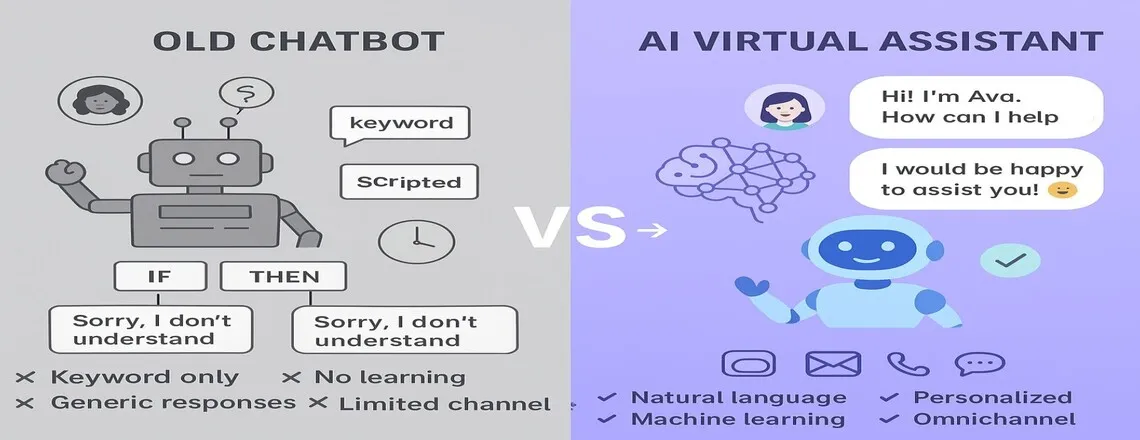
Picture your most helpful team member who knows everything about your products. That’s basically what an AI virtual assistant does, except it’s software. It chats with customers just like a person would. The big difference from old chatbots? These chatbots actually understand what people are asking for.
Old-style chatbots looked for exact keywords. If customers worded things differently, the bot failed. AI virtual assistants understand natural language, meaning they work with how people really talk. They tackle tough questions and learn as they go.
These digital helpers meet customers wherever they hang out. They handle all of your website’s chat box, email, and voice calls. Some even work on Facebook and Instagram.
What makes them special:
- They grasp context instead of just matching words
- They get better from every conversation
- They run hundreds of chats at the same time
- They plug into whatever systems you already use
The Technology Behind Virtual Customer Assistants
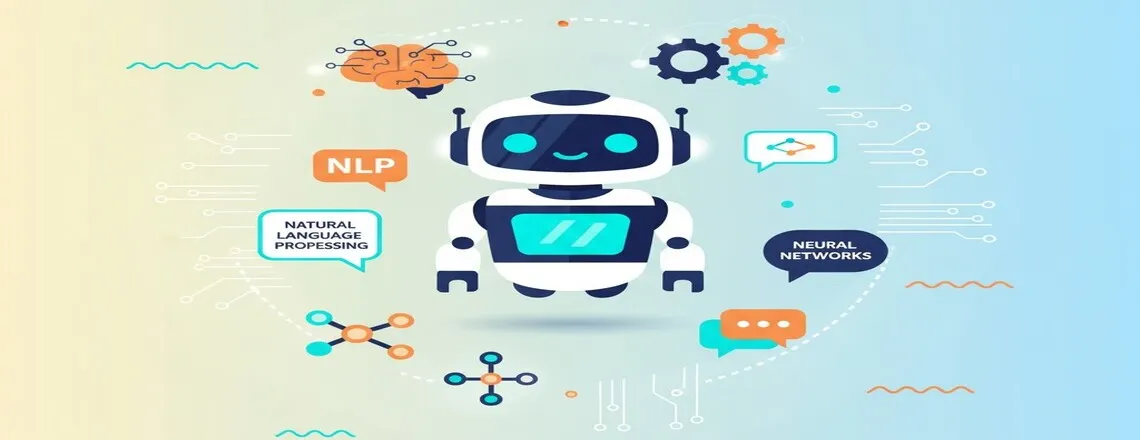
AI-powered customer service uses some pretty neat technology. Natural Language Processing (NLP) teaches computers to understand regular human speech. Machine learning in customer service lets these systems improve on their own every day. Conversational AI platforms help them sound natural when they respond.
This stuff actually delivers results. Let’s say someone types “Where’s my package?” The system reads more than just words. It knows they want tracking information. It pulls that data from your system. Then it gives them exactly what they asked for.
How Do AI Virtual Assistants Work?
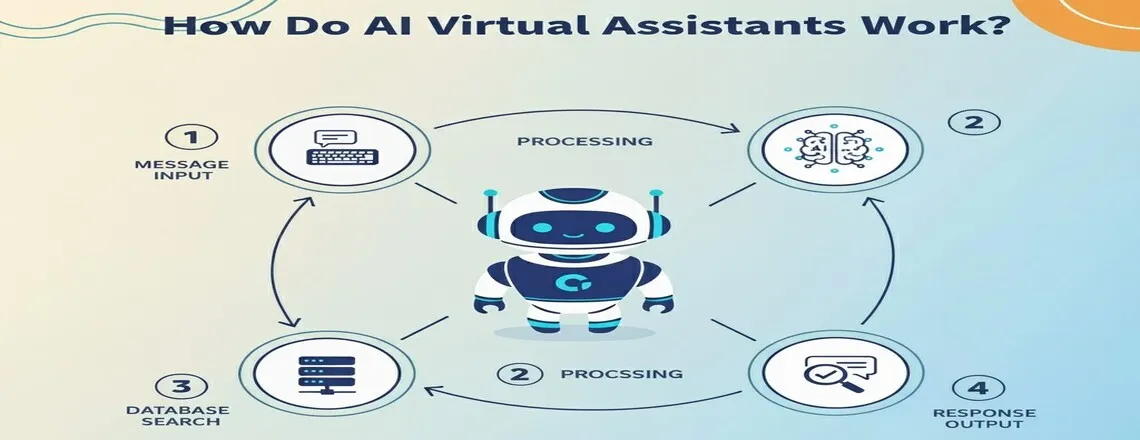
Let’s look at what happens behind the scenes. Knowing how these intelligent virtual assistants operate helps you see why they’re worth it.
The Basic Workflow
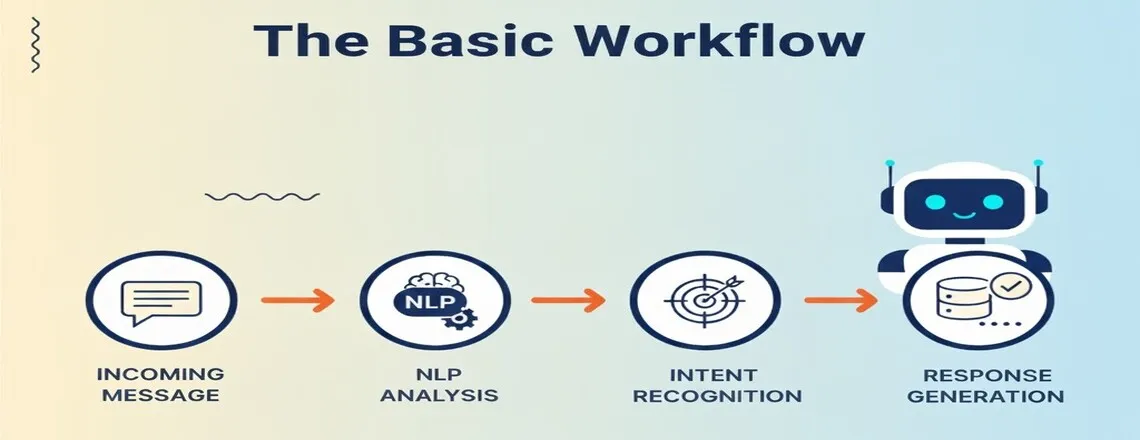
Someone sends your business a message. A bunch of things happen almost instantly. The NLP engine analyzes every word to understand the meaning. It figures out what the customer actually wants (that’s called the intent). Then it digs through your knowledge base for the right information.
After that, it builds a helpful reply. Maybe it looks up order status in your customer relationship management (CRM). Or it grabs the answer from your help docs. Finally, it shoots back a response that’s clear and friendly.
Integration with Your Systems
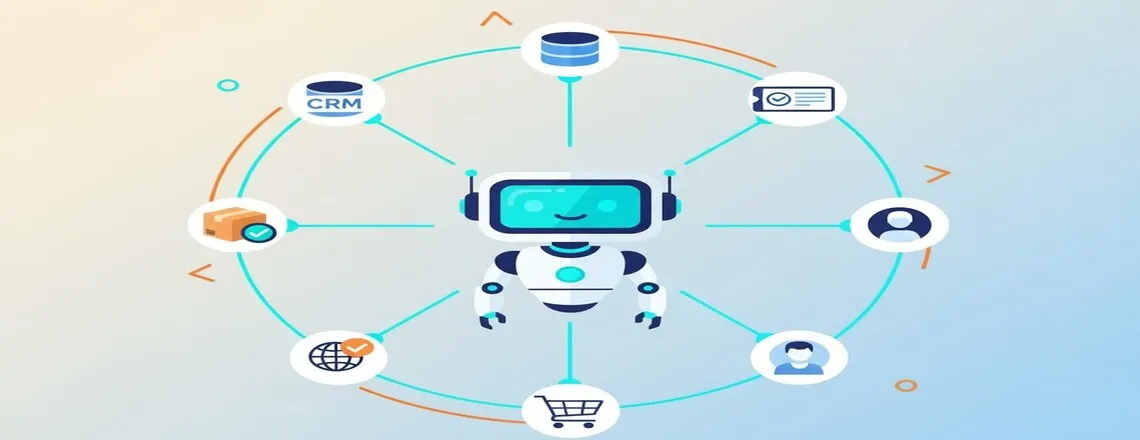
These virtual agent software tools don’t work in isolation. They hook up with your customer relationship management platform. They also tie into your support ticket automation systems. Some connect straight to inventory or shipping databases, too.
Getting this integration right matters a ton. The assistant needs fresh data to actually help people. Stale or incorrect info just makes customers angry. That’s exactly why platforms like Chatboq focus on making integration dead simple from day one.
Curious how Chatboq connects with your current tools? Start your free trial today.
Learning and Improvement

Machine learning powers the ongoing improvements. Every single conversation teaches you something new. When customers give ratings, the AI learns what approach worked best. After a few weeks or months, it handles way more questions solo.
Many platforms begin with supervised learning. Your team looks at early conversations and corrects any mistakes. The AI picks up on these fixes and makes adjustments. Before long, it gets accurate enough to run by itself.
Key Types and Use Cases
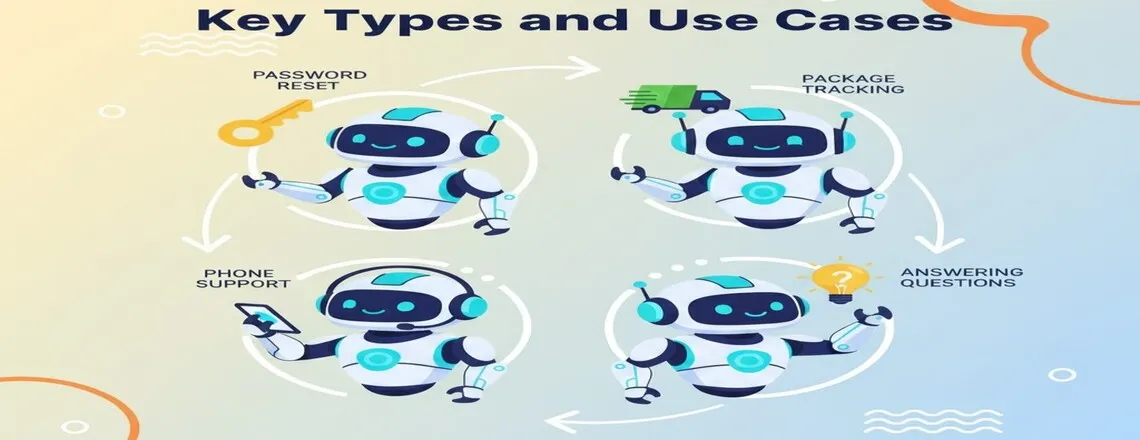
AI virtual assistants for customer service perform a variety of tasks. Here’s how most businesses use them today.
Tier-1 Issue Resolution
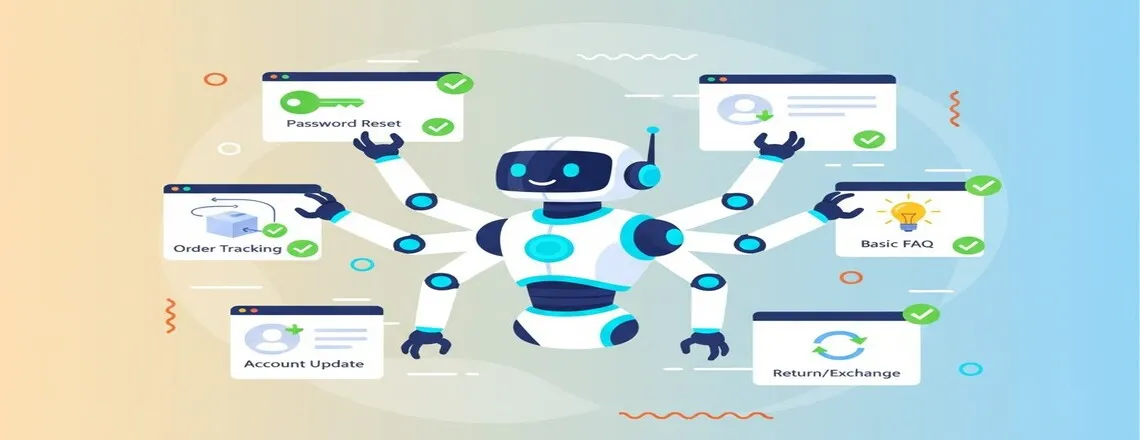
Let’s be honest – most support questions are repetitive and boring. Customers ask the same stuff about passwords, accounts, and basic features over and over. An AI helpdesk assistant handles these simple queries perfectly.
What they do easily:
- Reset passwords in 30 seconds or less
- Check order status and delivery updates
- Explain basic product features
- Update account details
- Process straightforward returns or exchanges
This gives your human team space for complex problems. Customers get instant help. Your support budget shrinks quite a bit. Everyone comes out ahead.
Self-Service Automation
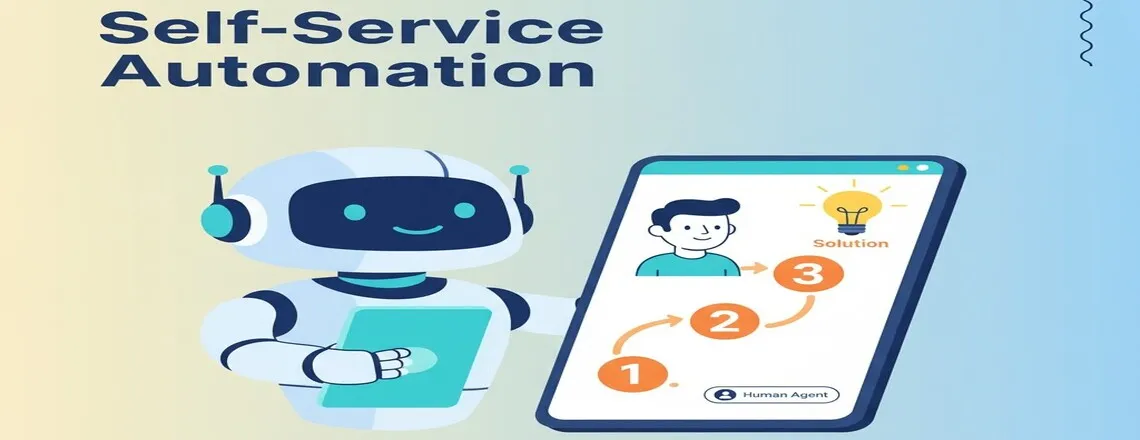
Today’s customers would rather fix things themselves when they can. Self-service automation makes that experience smooth and fun. The AI guides them through solutions step by step.
Here’s an example. Someone purchases your software and gets stuck during installation. The virtual customer assistant walks them through it carefully. It shows screenshots or quick videos. If they hit a snag, getting to a human agent takes one click.
Agent Augmentation and Support
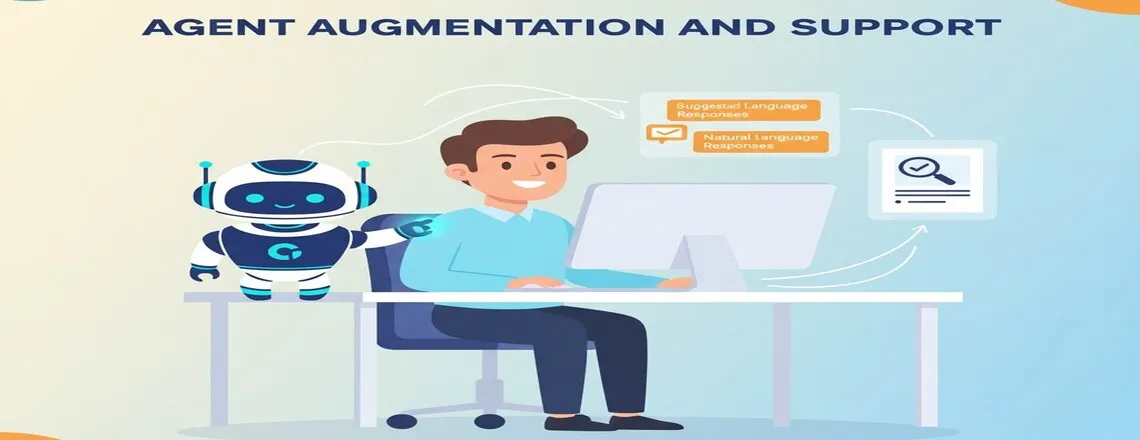
AI doesn’t need to replace your whole team. Some tools work side by side with your agents. They work as a digital assistant for companies by helping agents move faster and work better.
While chatting live, the AI suggests smart responses. It pulls up relevant help articles automatically. It can draft replies that agents tweak before sending. This bumps up productivity without losing that human connection.
Chatboq has excellent agent assist features that teams really love. Your agents get AI-powered help while keeping full control. This setup works well for industries selling complicated products.
Want to see how Chatboq supports your team? Book a demo now
Omnichannel Support
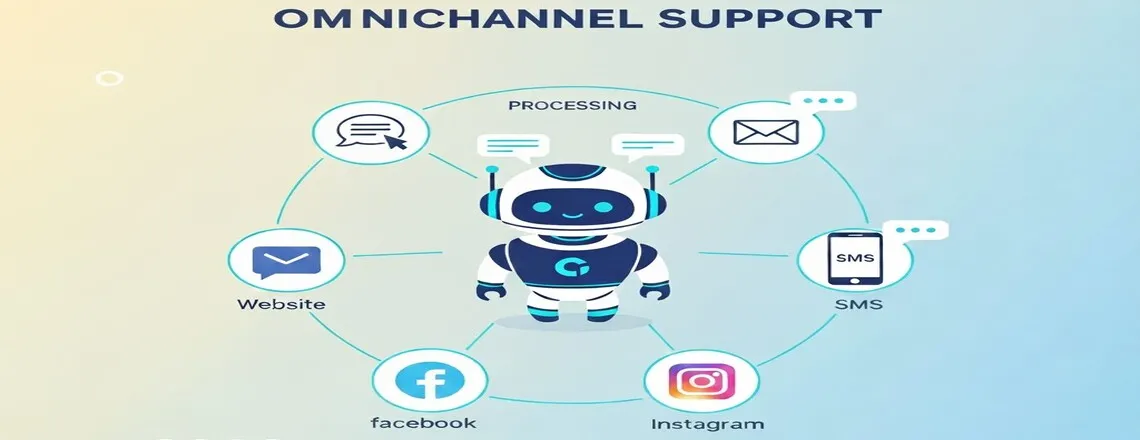
Your customers are spread across different channels. Some prefer chat, others stick with email or social media DMs. Omnichannel support means giving consistent help wherever they contact you.
An AI virtual assistant manages every channel from one central system. It remembers what happened across different platforms, too. Start chatting on your site today and send an email tomorrow? The AI recalls everything.
Proactive Outreach
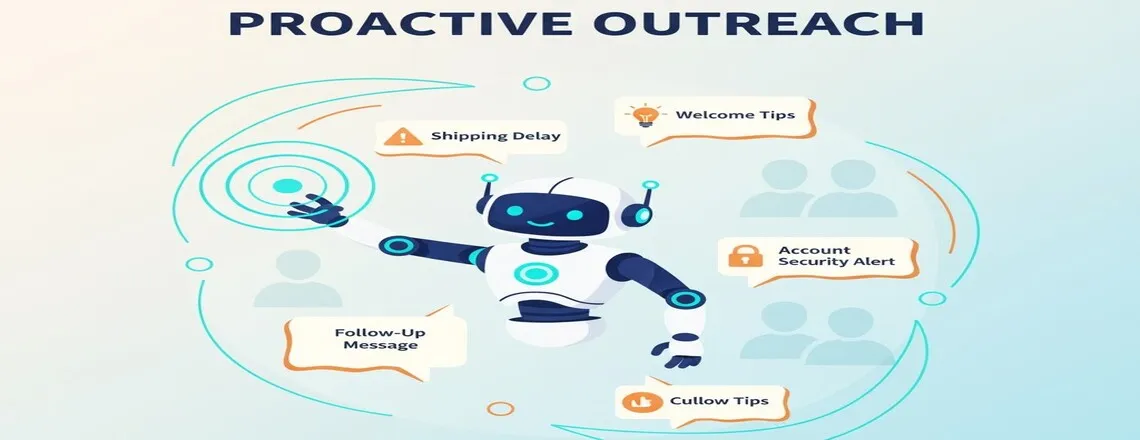
The smartest systems don’t sit around waiting for questions. They contact customers when they see trouble coming. This proactive method uses predictive analytics in support to fix problems before customers even notice.
Real-world examples:
- Alerting customers about shipping delays before they reach out
- Sending helpful tips right after they buy something
- Warning people about account problems they missed
- Following up automatically after support chats wrap up
Why You Need AI Virtual Assistants for Customer Service
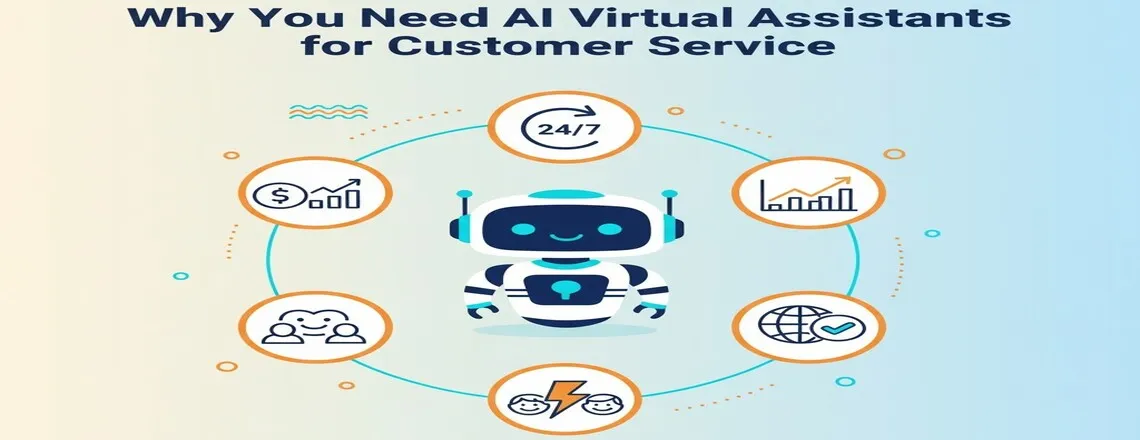
The benefits extend far beyond just faster responses. Let’s examine why these tools became must-haves for modern businesses.
Cost Savings and Efficiency

Running a support operation costs big money. You recruit agents, train them for weeks, and handle schedules. Automated customer service solutions cut these expenses dramatically.
Studies prove AI handles 60-70% of routine inquiries successfully. You need fewer agents for basic questions. Your team focuses on complex tasks that actually need human expertise.
Run the numbers yourself. One AI assistant operates 24/7 for one flat monthly cost. Stack that against paying several full-time salaries with benefits. Most companies hit positive ROI in just months.
Improved Response Speed

Waiting for support feels like torture. Time drags when you’re stuck. AI virtual assistants respond in actual seconds, not hours or days.
This faster response time directly boosts customer satisfaction (CSAT) scores. People love quick fixes for simple problems. Even when they eventually need human help, the AI collects info first and saves time.
Plus, there’s no waiting line during rush periods. The assistant runs unlimited conversations simultaneously. Your customers skip hearing that awful “all agents are busy” recording.
Better CSAT and Personalization
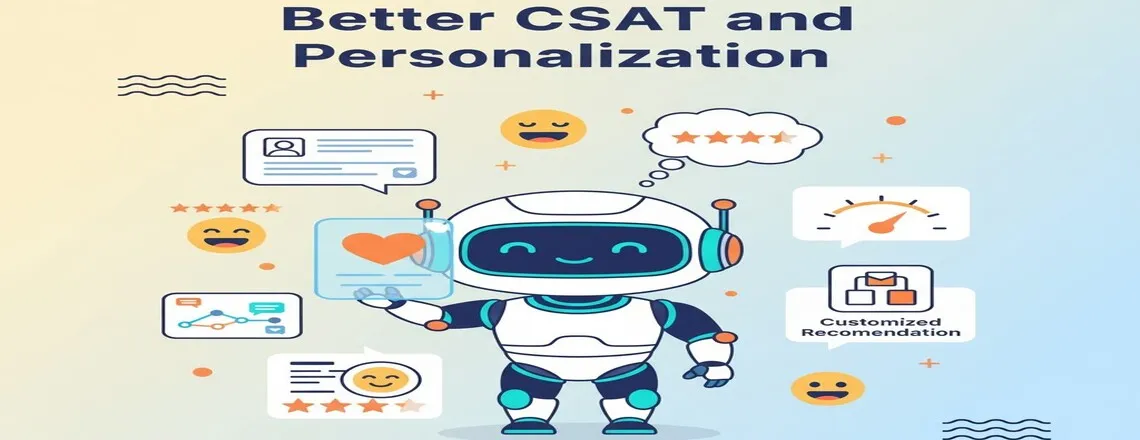
Happy customers hang around longer and buy more stuff. Customer engagement tools running on AI pull up the complete customer history instantly. They personalize everything based on previous purchases and preferences.
The AI remembers past issues you faced, for instance. It shifts its tone depending on whether you sound frustrated or cheerful. It might recommend products matching your browsing history. This AI-driven personalization feels less robotic and more like chatting with someone who actually knows you.
Chatboq absolutely excels at personalized responses that sound truly human. The system picks up your specific brand voice and customer preferences.
Scalability During Peak Periods

Black Friday hits. You launch a new product. Maybe your brand goes viral without warning. Bringing in temporary staff for spikes costs tons and takes forever. Training eats up precious time you don’t have.
AI virtual assistants scale instantly without any extra charges. They manage 10 conversations or 10,000 just as easily. Your core team only steps in for escalations.
This scaling ability protects your reputation during crucial moments. Customer experience automation makes sure nobody gets ignored right when it matters most.
24/7 Global Availability

Your office closes at 5 PM, but customer issues don’t respect business hours. Customers in various time zones want help during their working hours, which could be your middle of the night.
An AI virtual assistant operates every single hour without complaints. It maintains consistent quality on Tuesday mornings and Sunday at 3 AM equally. This matters especially for ecommerce, SaaS businesses, and international companies.
Some tools translate conversations on the fly, too. This means supporting customers in many languages without hiring multilingual teams.
Want support around the clock without night shift costs? Try Chatboq’s 24/7 solution.
Challenges and Considerations
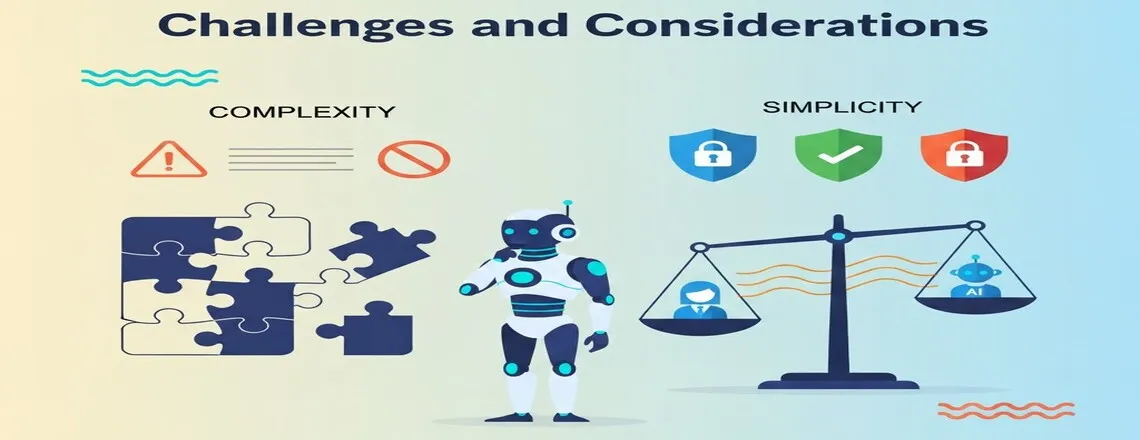
AI virtual assistants aren’t perfect solutions. Understanding their weak spots helps you plan realistically and dodge disappointment.
Handling Complex Queries
AI demolishes routine questions but struggles with subtle situations. When customers have unique issues or get emotional, human empathy wins hands down. The trick is knowing when to hand off smoothly.
Quality conversational AI for customer service recognizes its limits. It spots frustration signals or complexity markers. Then it transfers smoothly to a human agent with the full conversation history. This clean handoff stops customers from getting angrier.
Knowledge Base Maintenance
Your AI is only as good as what you feed it. Old information leads to wrong answers and frustrated customers. Regular updates need ongoing work, but can’t be skipped.
Things you should do:
- Check and update FAQs every quarter
- Add new product info on the day you launch
- Review failed queries monthly to find gaps
- Test the AI often with realistic questions
Chatboq packs in analytics showing exactly where your knowledge base has weak spots. You see precisely where customers aren’t getting decent answers.
Data Privacy and Trust
Customers get nervous about AI collecting their personal information. Following rules like GDPR isn’t optional these days. Being transparent builds the trust these systems require.
Tell people straight up what data you collect and why. Offer simple opt-outs for folks who want human agents. Make sure your AI vendor takes security seriously.
Avoiding AI Errors
Sometimes AI produces totally wrong or bizarre responses. These “hallucinations” confuse or mislead customers badly. They don’t happen often, but wreck your credibility fast when they do.
Stop errors by:
- Drawing clear lines around what the AI handles
- Setting confidence limits before it sends responses
- Getting human review for sensitive topics
- Watching real conversations often for quality problems
Top AI Virtual Assistant Tools and Platforms
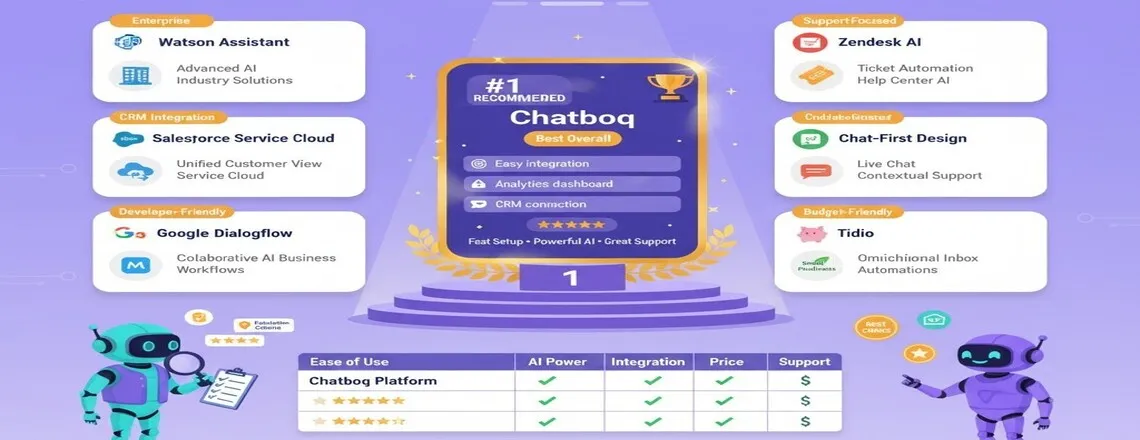
Picking the right platform comes down to your needs and budget. Here’s an honest look at the top solutions available now.
Chatboq
Chatboq takes first place for most businesses without question. It mixes seriously powerful AI with an incredibly simple setup and amazing support. The platform fits small startups and huge enterprises equally well.
Features that really stand out:
- Fast integration with all major Customer Relationship Management (CRM) systems
- Natural conversation flow sounds genuinely human
- Deep analytics with clear reporting
- Strong personalization, remembering customer preferences
- Budget-friendly pricing for any size business
Lots of companies switch to Chatboq after frustration with confusing alternatives. The support crew gets you going quickly. Updates and improvements arrive at no extra charge.
See why Chatboq ranks #1: Get started for free
For Enterprise Needs
IBM Watson Assistant and Salesforce Service Cloud suit massive companies. They provide deep customization and bank-level security. But they need serious technical know-how to set it up right.
These platforms mesh well with complicated technology setups. They process millions of conversations monthly without issues. The catch is way higher prices and longer rollout times.
Budget-Friendly Options
Tidio and Freshdesk offer cheap AI features for smaller teams. They work okay if you just need basic automation. The AI abilities aren’t as advanced as premium choices, though.
These make decent starting options. You can upgrade when your needs expand. Just know that fancy features cost more or don’t exist.
Specialized Platforms
Google Dialogflow and Amazon Lex aim at developers creating custom solutions. They supply APIs and tools for building unique experiences. This gives maximum flexibility but needs real coding chops.
Microsoft Copilot runs best inside Microsoft’s world. If you practically live in Teams and Office, it connects nicely. For businesses outside that bubble, it helps less.
Support-Focused Solutions
Zendesk AI and Intercom Fin AI were designed specifically for support teams. They understand ticket workflows and agent needs. The AI boosts human support rather than trying to replace it.
Ada Support focuses purely on automated resolution without humans. It aims for super high automation numbers. This strategy works for certain companies, but not everyone.
HubSpot Service Hub mixes AI with its customer relationship management (CRM) and marketing tools. If you already run HubSpot, it fits naturally. The AI shares customer info across all HubSpot products smoothly.
Implementation Roadmap and Best Practices
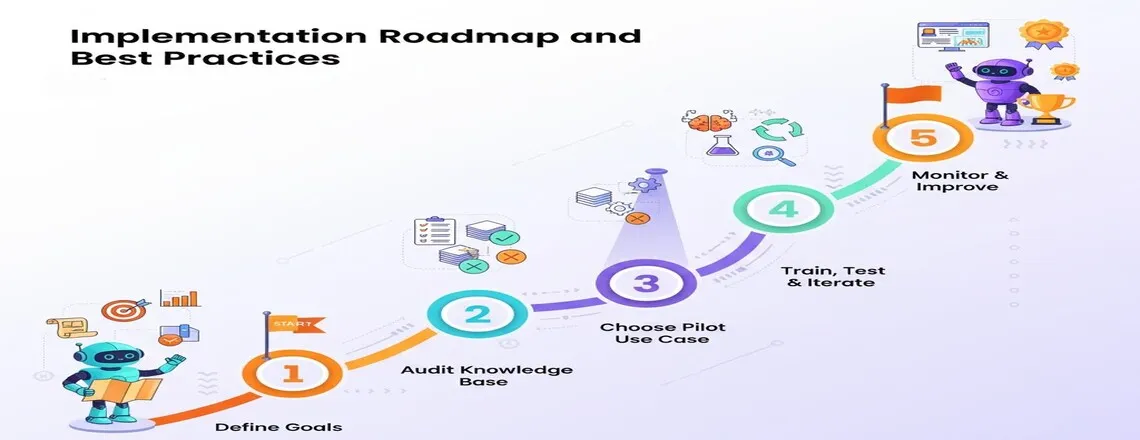
Getting going doesn’t have to feel scary. Follow this practical plan to launch successfully and see real results fast.
Step 1: Define Goals and Metrics
Begin by asking what you really want to accomplish. Common goals cover cutting response time, dropping costs, or boosting CSAT. Pick 2-3 specific, trackable objectives.
Figure out exactly how you’ll measure winning:
- Average time to resolve each ticket
- Automation percentage (handled without humans)
- Customer satisfaction scores from surveys
- Cost for solving each ticket
- Agent productivity numbers
Clear targets help you choose the right platform at the start. They also help you prove ROI to doubting stakeholders down the road.
Step 2: Audit Your Knowledge Base
Check every bit of your support content before doing anything else. Go through FAQs, help articles, and common email templates. Find the top 20-30 questions customers ask repeatedly.
This content becomes your AI’s learning foundation. Make absolutely certain it’s accurate and organized logically. Trash outdated stuff. Fill obvious holes where decent answers don’t exist.
Good documentation makes the AI setup way smoother. Chatboq helps audit your content and suggests specific fixes during setup.
Step 3: Choose a Pilot Use Case
Don’t attempt automating everything at once. Pick one focused area for testing first. Good pilots are high-volume, low-complexity questions happening constantly.
Some strong examples are:
- Order tracking and status checks
- Password reset requests
- Basic product information
- Store hours and locations
- Simple troubleshooting steps
A narrow pilot lets you learn fast and adjust quickly. Once it runs smoothly, expand to other spots gradually.
Step 4: Train, Test, and Iterate
Most platforms need initial training before facing real customers. Load up your knowledge base content. Configure intents and sample responses. Test heavily with internal team members first.
Run through dozens or hundreds of test chats. Try breaking it deliberately. Ask questions fifty ways. Check how it deals with weird edge situations.
Collect feedback from testers and polish responses carefully. This testing usually takes 1-2 weeks. It’s time really well spent avoiding frustrated actual customers.
Need expert help during setup? Contact Chatboq’s implementation team
Step 5: Monitor and Improve
Launch your AI, but watch it closely at first. Review conversations several times daily in the early weeks. Hunt for patterns in failed queries or bad customer feedback.
Most platforms display questions that the AI couldn’t answer well. Use this info to strengthen your knowledge base continuously. Add new intents when you spot gaps.
Schedule proper reviews monthly at a minimum. Update the AI right away when launching new products. Maintain customer retention by keeping consistent quality.
Future Trends and Evolving Capabilities
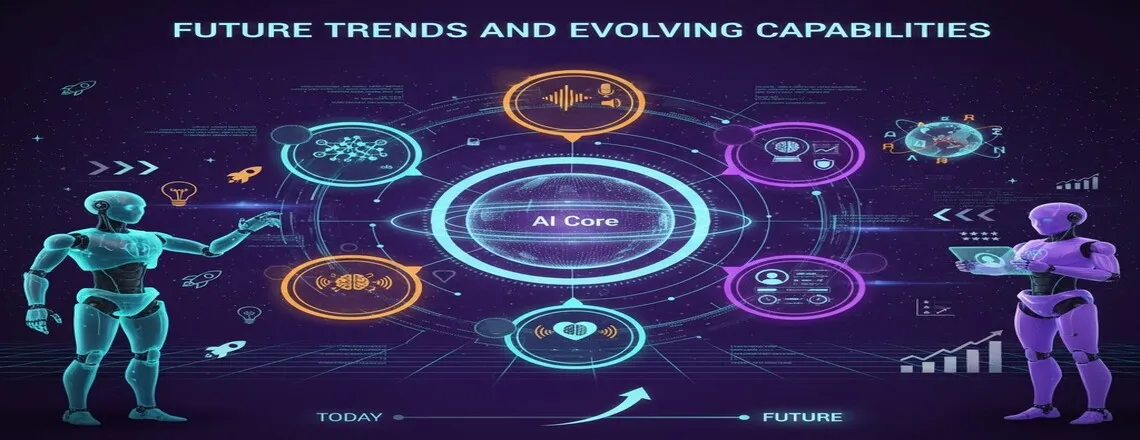
AI in business communication advances incredibly fast. Here’s what’s arriving next in virtual assistants.
Voice Integration
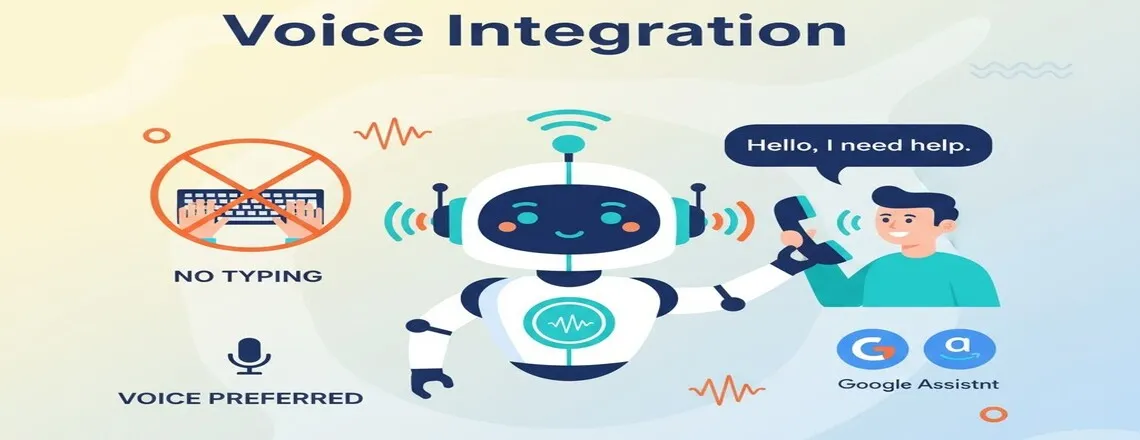
Voice assistants like Alexa and Google Assistant are moving into customer service. Soon, customers will talk naturally to your support AI instead of typing. This feels far more personal for lots of people.
Phone support running on AI will sound totally, completely human. It’ll manage simple calls while sending complicated ones to real agents. The transition will be so seamless that customers won’t realize it.
Advanced Multilingual Support
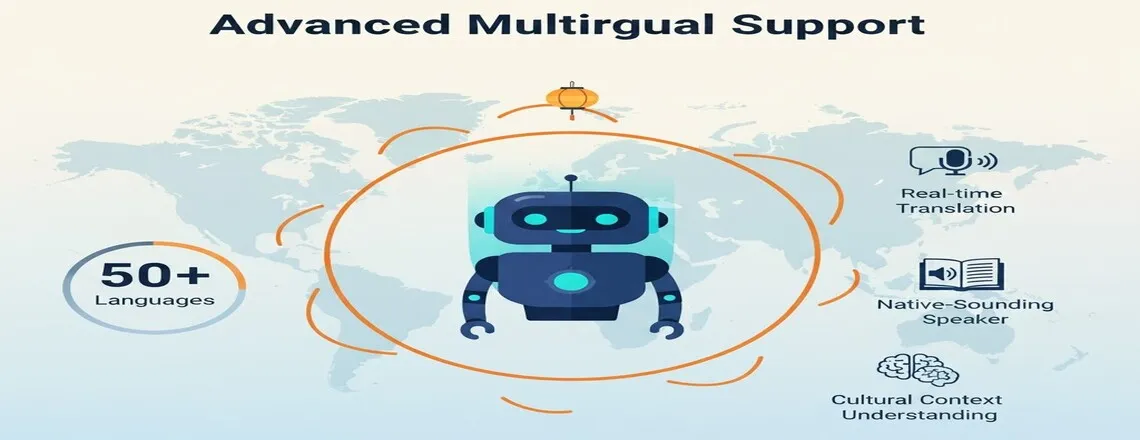
Current AI handles many languages, but translation quality jumps around. Next-generation systems will sound truly native in dozens of languages. They’ll grasp cultural context and local slang way better.
This cracks open global markets without language walls blocking you. Small businesses can support international customers cheaply. No need for expensive multilingual teams anymore.
Predictive and Proactive Support
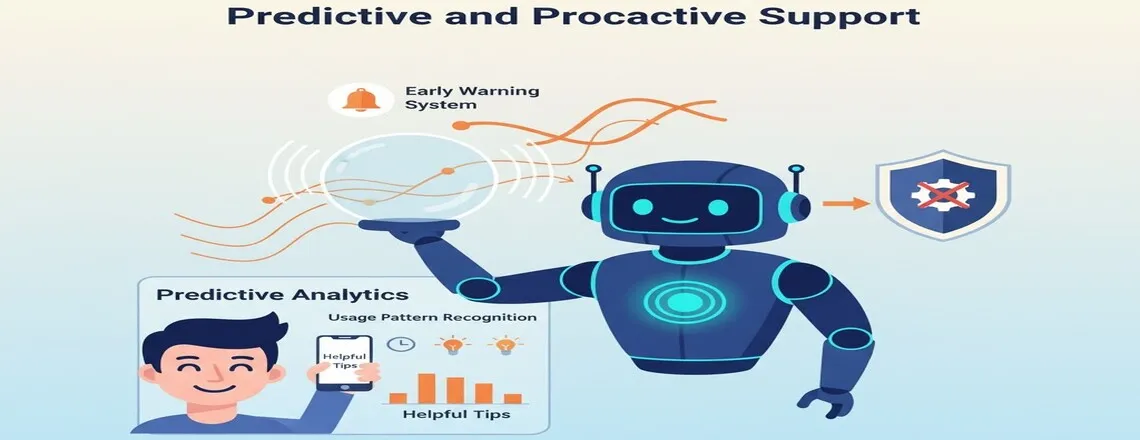
AI will predict customer troubles before people spot them. Using past data patterns, it’ll contact people with solutions proactively. This stops problems instead of just mopping up afterward.
Picture your assistant warning customers about possible account troubles ahead. Or suggesting useful tips matching their usage patterns. This proactive method massively improves the experience overall.
Deeper Personalization
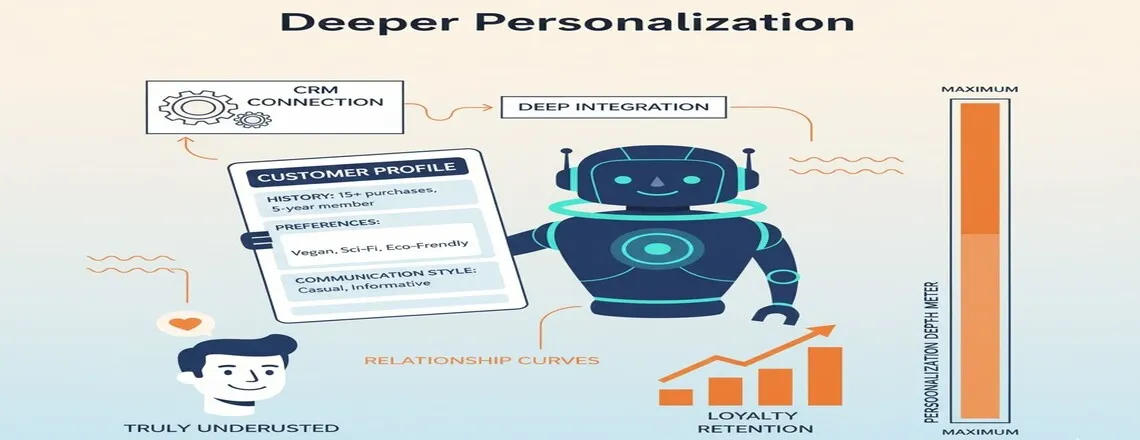
Future AI will know individual customers incredibly well through customer relationship management (CRM) connections. Every interaction will feel uniquely customized to that specific person. The assistant will recall their preferences, complete history, and communication style.
This personalization depth builds much stronger relationships. Customers truly feel understood and valued. Loyalty and customer retention climb naturally as a result.
Chatboq already leads in personalization features right now. Early access to beta features keeps you ahead of competitors consistently.
Emotional Intelligence
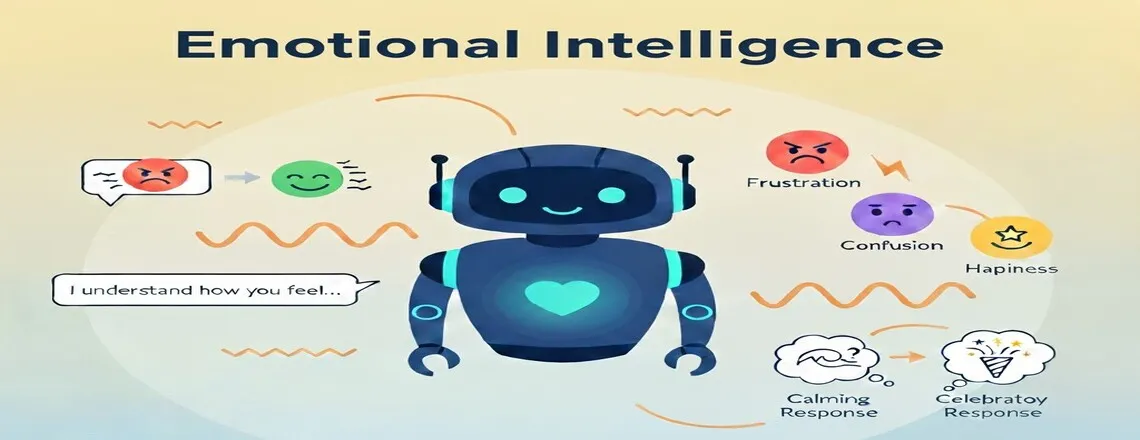
The next major frontier is emotional awareness in AI. They’ll detect frustration, confusion, or happiness accurately. Then they’ll modify responses to calm situations down or celebrate wins.
This emotional intelligence makes interactions feel genuinely caring instead of mechanical. It closes the last gap between AI efficiency and real human empathy.
Conclusion
AI virtual assistants for customer service quit being optional a while back. They’re essential tools now for running competitive, efficient support. These systems save real money while making customers noticeably happier.
The technology improves at a crazy speed. Early adopters stack up advantages over time. Your competitors are likely checking this out right now.
Begin small with one targeted pilot project. Pick a reliable platform like Chatboq that truly supports your growth. Test carefully, learn from errors, and expand slowly.
The future of customer service has already arrived. It blends AI speed with human empathy perfectly. Companies embracing this mixed approach will definitely win customer loyalty.
Ready to totally transform your customer service? Start your free Chatboq trial today.
Frequently Asked Questions (FAQs)
AI Virtual Assistants are smart software communicating with customers automatically through text or voice. They answer questions, fix common problems, and manage many support jobs without human involvement.
AI Virtual Assistants use advanced Natural Language Processing and get better through machine learning. Basic chatbots follow rigid scripts and fail with complex or unexpected conversations.
Yes, AI Virtual Assistants deliver continuous support around the clock without breaks or holidays. This ensures customers get help whenever they need it, regardless of their time zone.
AI Virtual Assistants manage order tracking, password resets, frequently asked questions, basic troubleshooting, appointment scheduling, and similar routine tasks extremely well.
Ecommerce, SaaS, healthcare, financial services, and telecommunications gain massive benefits. Any business with high support volume can see significant value from AI Virtual Assistants.
Prices typically range from $50 to $500+ per month, depending on features and usage. Enterprise solutions cost more but handle larger volumes. Chatboq offers affordable plans for all business sizes.
Not entirely. AI Virtual Assistants handle repetitive routine tasks while human agents manage complex issues needing judgment and empathy. The best approach blends AI efficiency with human oversight.
Basic setup takes 1–2 weeks with user-friendly platforms like Chatboq. Complex enterprise rollouts may require 1–3 months for full integration with existing systems.
Omnichannel support means AI Virtual Assistants operate seamlessly across chat, email, social media, and voice channels, maintaining context across all interactions.
Yes, most AI Virtual Assistants integrate with Salesforce, HubSpot, Zendesk, and other major CRMs. Chatboq ensures smooth integration with all major Customer Relationship Management platforms.
Top AI Virtual Assistants achieve 80–90% accuracy on trained topics. Accuracy improves continuously through machine learning and regular knowledge base updates.
Most advanced AI Virtual Assistants support 50+ languages and can translate conversations in real time for truly global customer service.
Track automation rate, customer satisfaction scores, average resolution time, escalation rate, cost savings, and improvements in agent productivity.

Daniel Wong
Technical Content Writer
My name is Daniel Wong, a Technical Content Writer from Singapore with a strong interest in AI-powered tools and digital automation. At ChatBoq AI, I focus on creating practical and easy-to-follow content that helps businesses and individuals understand how chatbots work and how to use them effectively.
I enjoy breaking down complex topics like natural language processing (NLP) and conversational AI into simple guides that anyone can follow. Each article is based on careful research, real-world examples, and testing to ensure accuracy and reliability.
Through ChatBoq AI, my goal is to provide readers with trustworthy insights, step-by-step tutorials, and the latest trends in chatbot technology.
✍️
Expert in AI & Chatbot Technology

Leave A Comment