
AI Chatbot Personality Customization: Make Your Chatbot Speak Like Your Brand
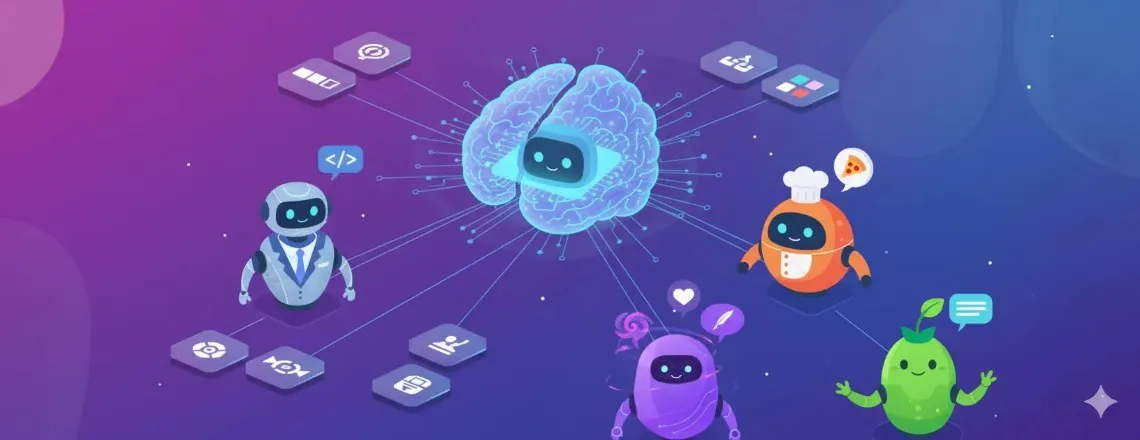
AI chatbot personality customization is the process of crafting your chatbot’s tone, voice, and conversational style to match your brand identity. Instead of a robotic response, your personal AI chatbot interacts with personality traits that match your brand, like friendly, professional, or empathetic.
📑 Table of Contents
- AI Chatbot Personality Customization: Make Your Chatbot Speak Like Your Brand
- Key Highlights
- Understanding AI Chatbot Personality
- The Psychology Behind Chatbot Personalities
- Why Brand Alignment Matters In AI Chatbot Design
- Core Elements Of AI Chatbot Personality
- Step-by-Step Guide To Customizing Your AI Chat Personality
- Advanced Customization Techniques
- Real-World Examples of AI Chatbot Personality Customization
- Industry-Specific Considerations
- Tools And Platforms For Personality Customization
- Measuring Success And Optimization
- Common Mistakes to Avoid
- Future Trends and Innovations in AI Chatbot Personality
- Conclusion: Building Your Brand’s Digital Personality
- Frequently Asked Questions (FAQs)
This guide shows you how to design an AI chatbot with personality that engages users and represents your brand authentically in every conversation.
Key Highlights
- Boost engagement with personality-driven AI chatbots
- Design customer trust through a consistent brand voice
- Improve experience using emotional intelligence chatbots
- Achieve higher ROI with personalized interaction
- Future trends drive smarter, adaptive chatbot personalization
Understanding AI Chatbot Personality
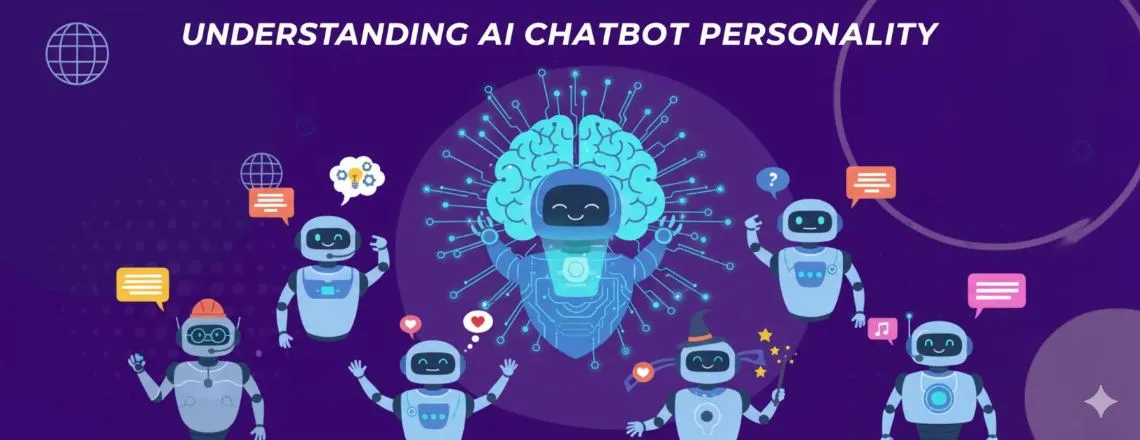
A basic chatbot follows a predetermined workflow. An AI chatbot with personality adapts, responds with a hint, and reflects your brand voice through sophisticated conversational AI personality systems.
Modern generative AI enables chatbots to understand context, emotion, and intent. This creates more natural interactions that feel genuinely helpful rather than scripted.
Key Distinguishing Characteristics
- Consistent Voice Architecture: Personality-driven chatbots maintain consistent tone, vocabulary, and communication style across all interactions. This creates cohesive brand experiences that users can rely on and connect with emotionally.
- Adaptive Communication Pattern: Advanced AI chatbot personality systems adjust communication style based on context and user behavior while maintaining core personality traits. This enables natural conversation flow and improves conversational UX significantly.
- Emotional Intelligence Integration: Modern personal AI chatbot solutions incorporate emotional recognition and appropriate response mechanisms. They detect user frustration, excitement, or satisfaction and adjust personality expression accordingly.
- Brand- Aligned Response Generation: Every interaction reflects your organization’s values and customer service philosophy. This ensures your AI chatbot personal assistant reinforces rather than contradicts your brand messaging.
The Psychology Behind Chatbot Personalities
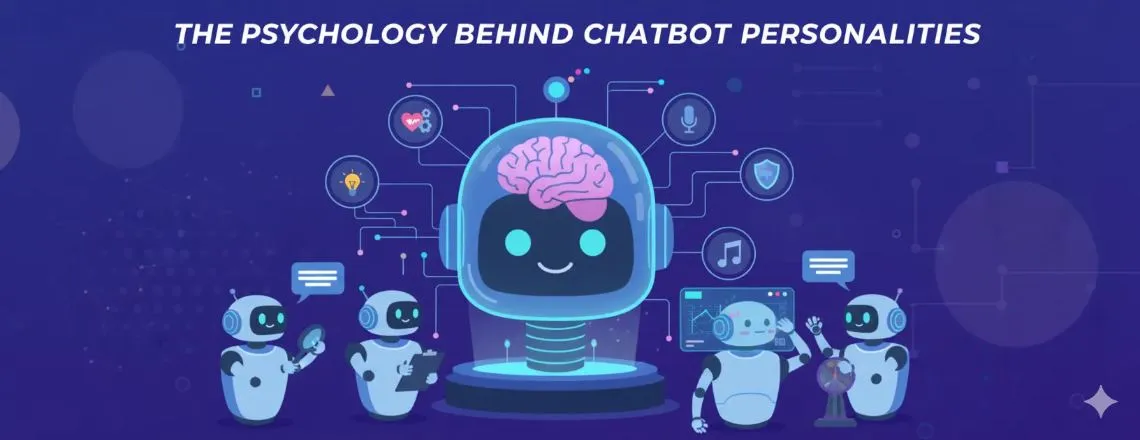
Research from Forrester shows that 77% of consumers form emotional connections with brands that demonstrate personality consistency across touchpoints. User naturally humanizes conversational interfaces, attributing human characteristics to AI interactions.
When your AI persona chatbot maintains recognizable characteristics, whether friendly and approachable, professional and efficient, or knowledgeable and authoritative where users develop trust and engagement patterns similar to human relationships.
The key lies in understanding that personality isn’t about marketing your chatbot to pretend to be human. Instead, it’s about creating a consistent, helpful, and brand-appropriate interaction experience that maximizes user comfort and engagement while acknowledging AI’s nature.
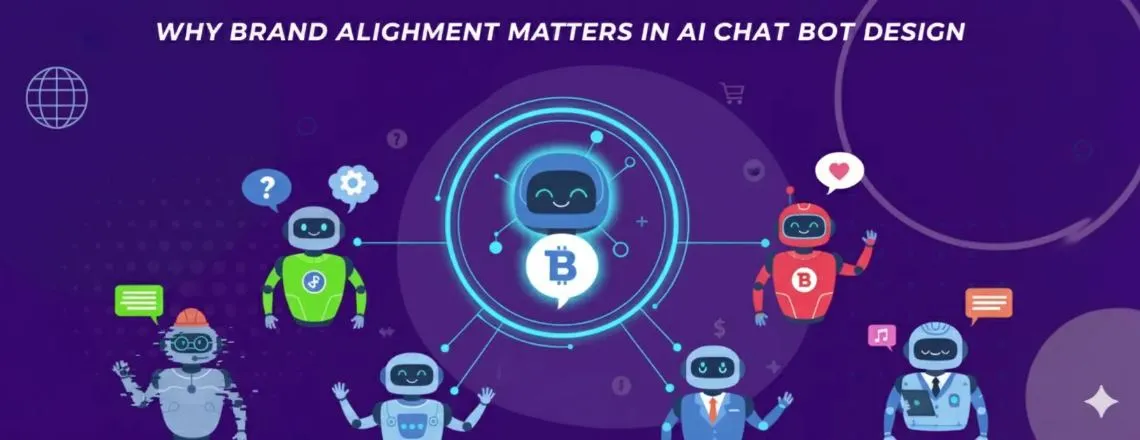
Why Brand Alignment Matters In AI Chatbot Design
Building Trust Through Consistency
McKinsey research indicates brands with consistent messaging see 23% higher revenue growth.
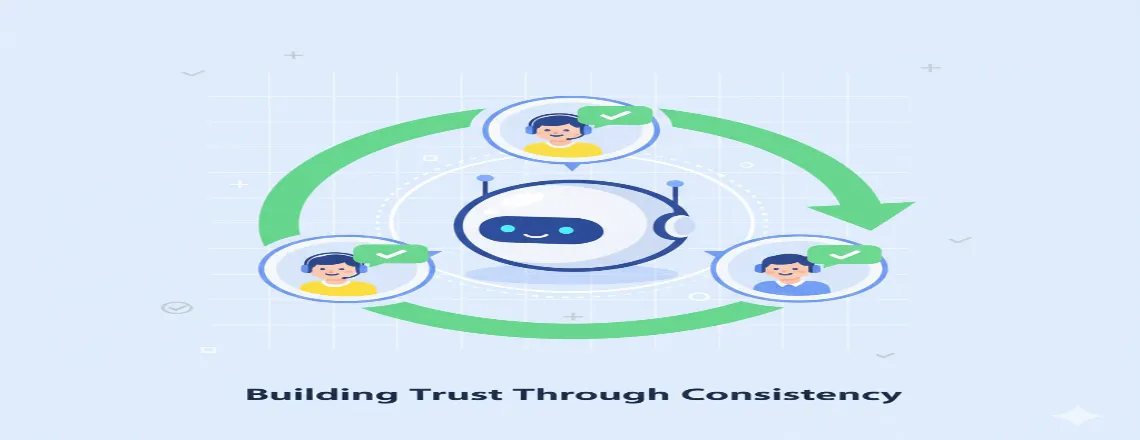
AI chatbot personality customization ensures 24/7 brand representation. Brand inconsistency creates confusion about whether your website is formal, social media casual, or an AI chatbot for personal use interaction, robotic, or customer struggles with your brand identity. Effective personality development extends the established brand voice into conversation AI interactions.
Customer Expectations In The AI Era
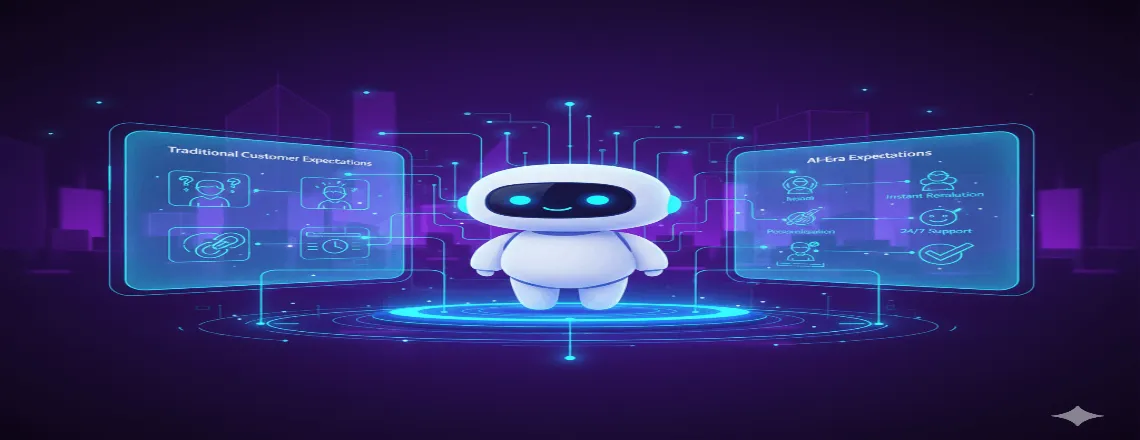
Garther predicts 80% of customer service interactions will be AI-handled by 2025. Consumers expect sophisticated, personalized interactions from AI systems. Your AI chatbot personality customization strategy must meet these expectations while remaining authentic to your brand identity.
ROI Of Personality-Driven Chatbots
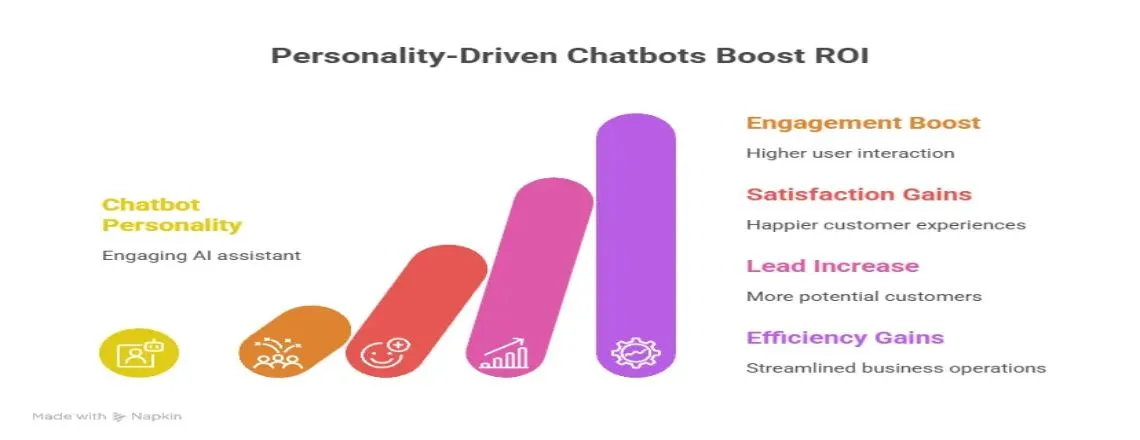
Investment in AI chatbot personality development yields significant returns :
- Enhanced Engagement: HubSpot research shows that personality-driven chatbots maintain attention 67% longer, leading to 35% higher conversion rates.
- Improved Customer Satisfaction: Consistent, brand-aligned personality reduces friction in customer service interactions. Companies report 28% higher customer satisfaction scores when AI interactions feel cohesive with the overall brand experience.
- Increased Lead Generation: Salesforce data indicates that personalized AI interactions generate 45% more qualified leads compared to standard chatbot implementations, directly impacting customer journey automation effectiveness.
- Operational Efficiency: Well-designed AI chatbot personal assistant systems handle 73% of routine inquiries effectively. Reducing support ticket volume by 40% while maintaining quality customer experience standards.
- Customer Support Efficiency: Organizations implementing personality-driven chatbots see an average response time reduction 60% and first-contract resolutions improvements of 35%.
- Omnichannel Chatbot Strategy Benefits: Consistent personality across channels increases brand recognition by 31% and customer retention by 22%, according to recent industry studies.
Core Elements Of AI Chatbot Personality
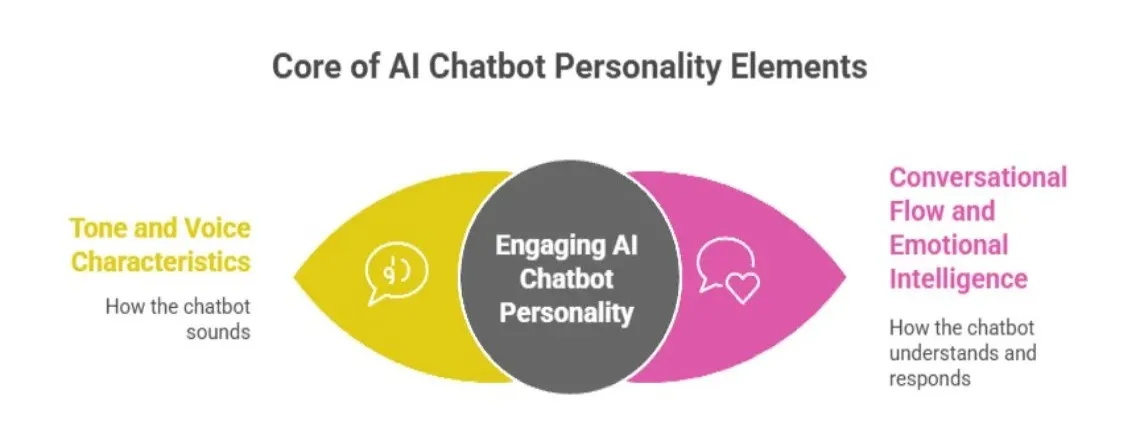
Tone And Voice Characteristics
- Voice Definition: Your chatbot’s voice reflects core traits that remain consistent. Define whether your AI chatbot personality is professional, friendly, authoritative, or empathetic.
- Tone Variation: While the voice stays constant, the tone adapts to situations. Your personal AI chatbot might maintain a friendly voice while adopting a serious tone for troubleshooting.
- Language Patterns: Specific words and structure communicate personality effectively through sophisticated conversational design.
Conversational Flow And Emotional Intelligence
- Conversation Initiation: How your AI chatbot for personal use welcomes users sets the standard for interaction tone through personality-driven systems.
- Response Structure: Personality impacts information presentation, which has some benefit from brief responses, while others use elaborate approaches for complex customer journey automation.
- Emotional Intelligence: Advanced implementations recognize emotional indicators and enable appropriate responses through adaptive AI models.
Step-by-Step Guide To Customizing Your AI Chat Personality
Step 1: Brand Analysis And Voice Definition
- Brand Voice Audit: Inspect all customer interactions, like website content, marketing materials, and social media. Identify themes, patterns, and personality traits interpreting your voice.
- Stakeholder Alignment: Gather marketing, customer service, and brand team input, making sure comprehensive personality understanding.
- Customer Integration: Your AI chatbot personality should echo with target audience demographics and communication choices for optimal conversational UX.
Step 2: Platform Selection Using Chatboq
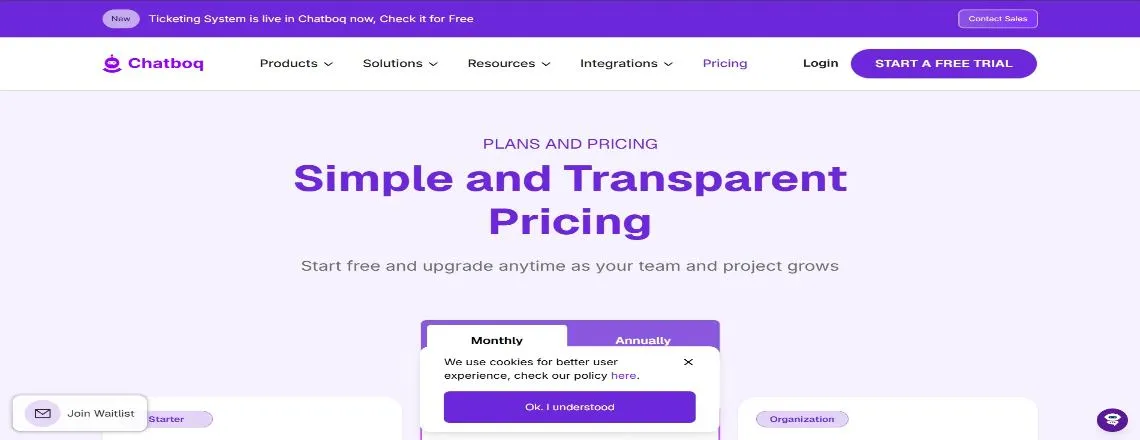
ChatBoq offers comprehensive solutions streamlining AI chatbot personality customization while assisting advanced hyper-personalization.
- Integration Benefits: ChatBoq’s unified inbox manages personality consistency across website chat, WhatsApp, and Messenger, ensuring your AI persona chatbot maintains consistent traits through an effective omnichannel chatbot strategy.
- AI-to-Human Handoff: Ideal transitions maintain conversation regularity and personality consistency when human agents handle complex interactions.
- AI-Powered CRM Integration: Complete conversation history supports personality development through interaction evaluation and real user data for complex lead generation tracking.
Step 3: Framework Development
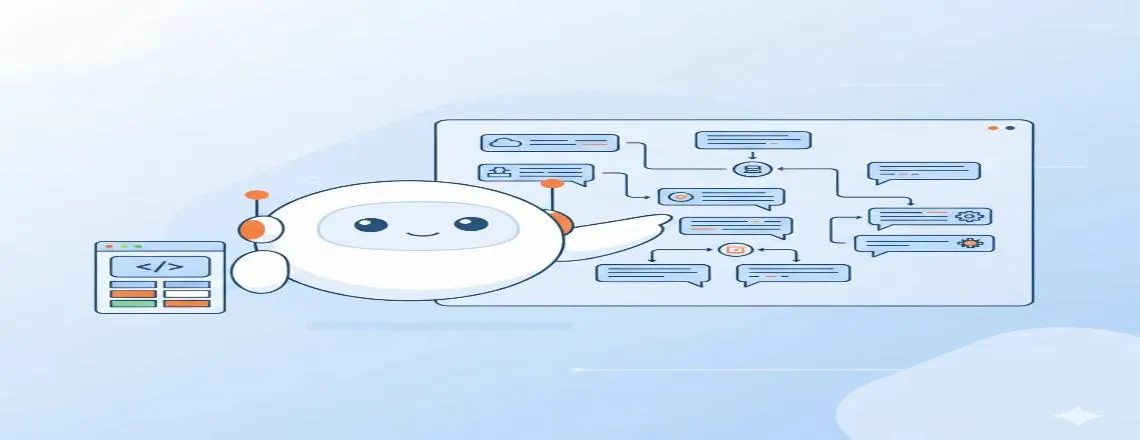
- Core Traits: Include 3-5 fundamental characteristics like “helpful and knowledgeable,” “friendly but professional,” “reliable and trustworthy.”
- Communication Guidelines: Construct specific guidelines translating traits into patterns like sentence structures, vocabulary, humor usage, and supporting conversational design strategy.
- Cross-Channel Consistency: Ensure personality guidelines convey trait expression across platforms while maintaining regularity for an effective omnichannel chatbot strategy.
Step 4: Implementation and Training
- Training Data: Construct comprehensive datasets representing desired characteristics across scenarios for optimal adaptive AI models performance.
- Generative AI Integration: Leverage advanced language models fine-tuned with personality requirements, ensuring natural responses with brand consistency.
- Prompt Engineering: Develop prompts consistently to extract personality-appropriate responses supporting customer support efficiency goals.
Step 5: Testing And Refinement
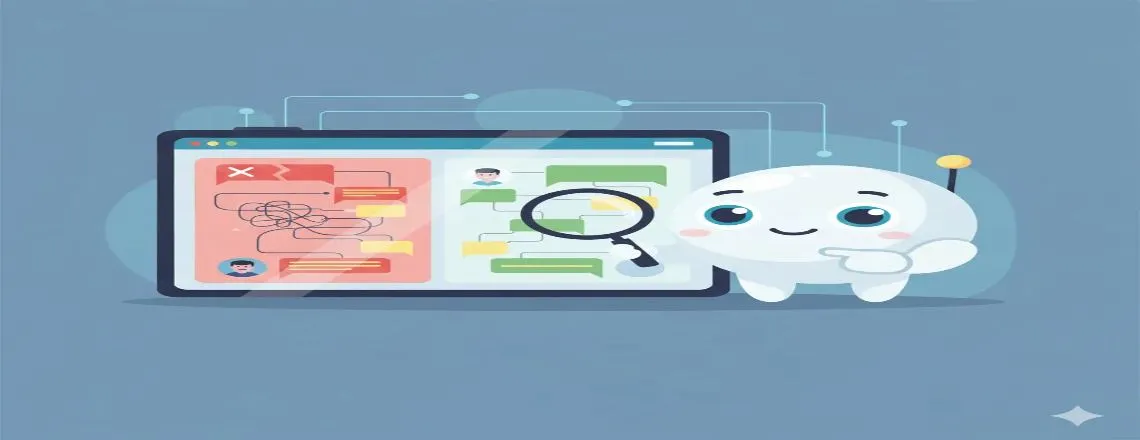
- Performance Monitoring: Using unified systems monitoring consistency across channels, pinpointing areas for improvement to enhance conversational UX.
- Metrics Tracking: Include KPIs measuring success as engagement rates, completion rates, and satisfaction scores directly impacting chatbot ROI.
- Transition Analysis: Monitor consistency when conversations move from AI to human agents, ensuring seamless customer journey automation.
Advanced Customization Techniques
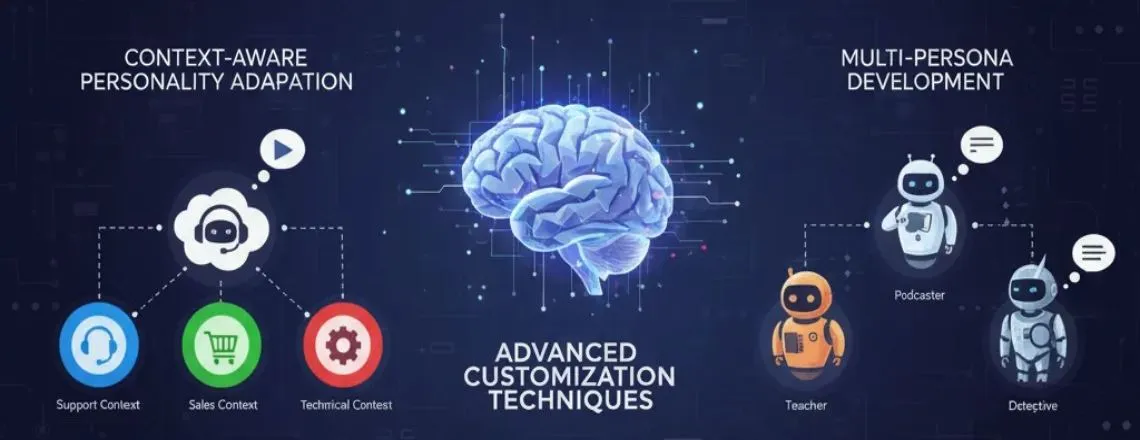
Context-Aware Personality Adaptation
- Situational Awareness: Advanced personal AI chatbot implementations identify context clues, which are emotional state, history, and complexity, by adjusting personality while maintaining brand consistency.
- Dynamic Adjustment: Context-aware systems enhance tone matching requirements, shifting from casual to professional for urgent issues, enhancing customer support efficiency.
- Historical Integration: Systems remember previous interactions, adjusting style based on user preferences, enabling sophisticated hyper-personalization.
Multi-Persona Development
- Persona Switching: Construct intelligent systems recognizing effective personality approaches and progressing smoothly while supporting customer journey automation needs.
- Department-Specific Personalities: Organizations implement different configurations for sales, support, and billing while keeping brand consistency across an omnichannel chatbot strategy.
The advanced system allows personality preference indication, creating a personalized experience, improving conversational UX, and engagement metrics.
Real-World Examples of AI Chatbot Personality Customization
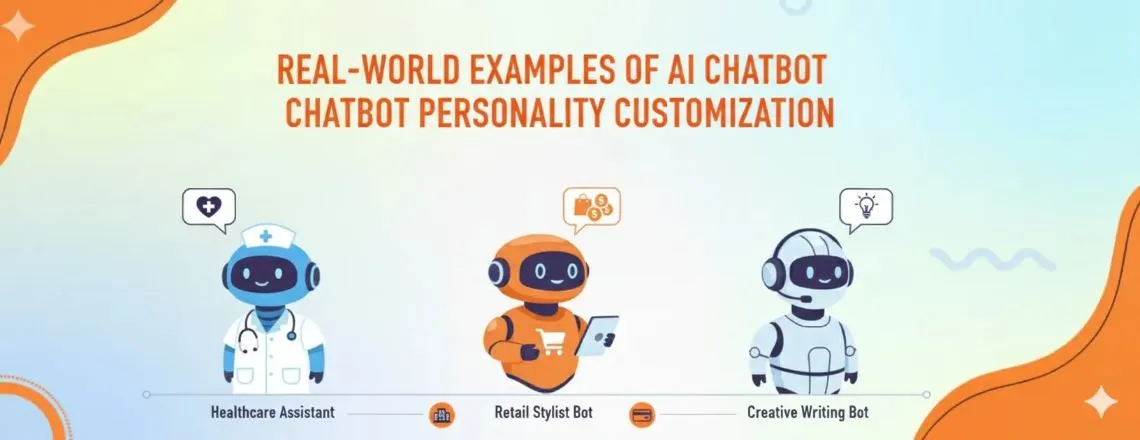
Duolingo – Playful & Motivational Personality
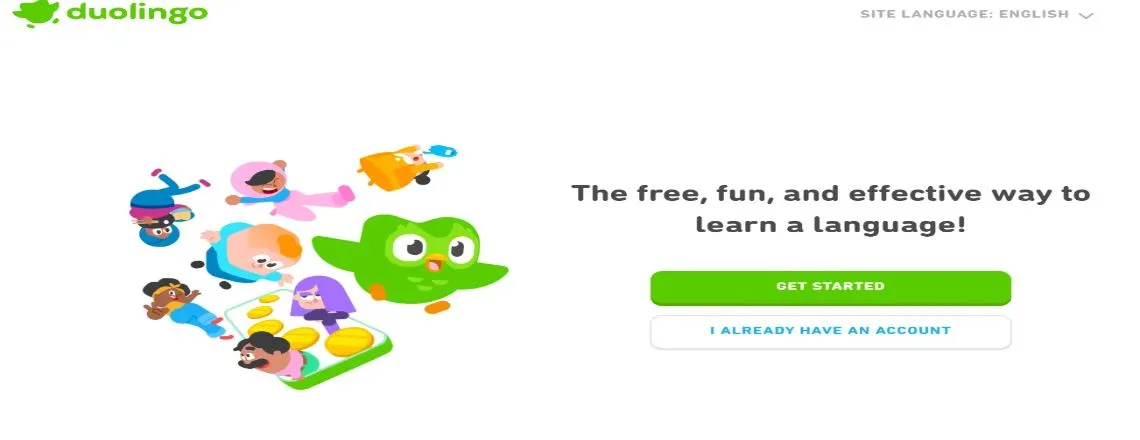
- Personality: Fun, encouraging, sometimes cheeky.
- Impact: Keeps learners engaged and motivated, turning repetitive lessons into an enjoyable experience.
- Relevance: Shows how chatbot personality boosts user engagement and retention.
Bank of America’s Erica – Professional & Trustworthy Personality
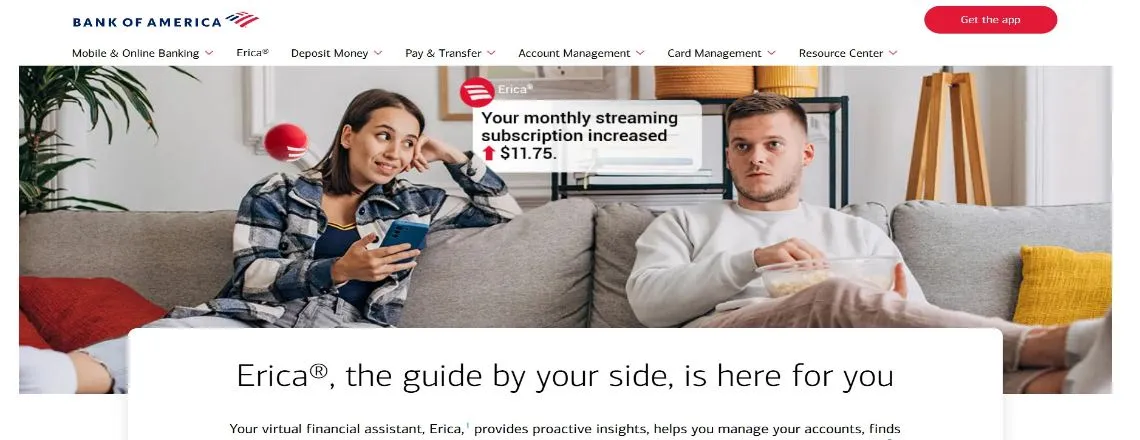
- Personality: Calm, reliable, and informative.
- Impact: Handled over 1 billion customer interactions, building trust in sensitive financial tasks.
- Relevance: Proves that in industries like finance and CRM, a professional AI chatbot personal assistant personality drives customer support efficiency and trust.
Industry-Specific Considerations
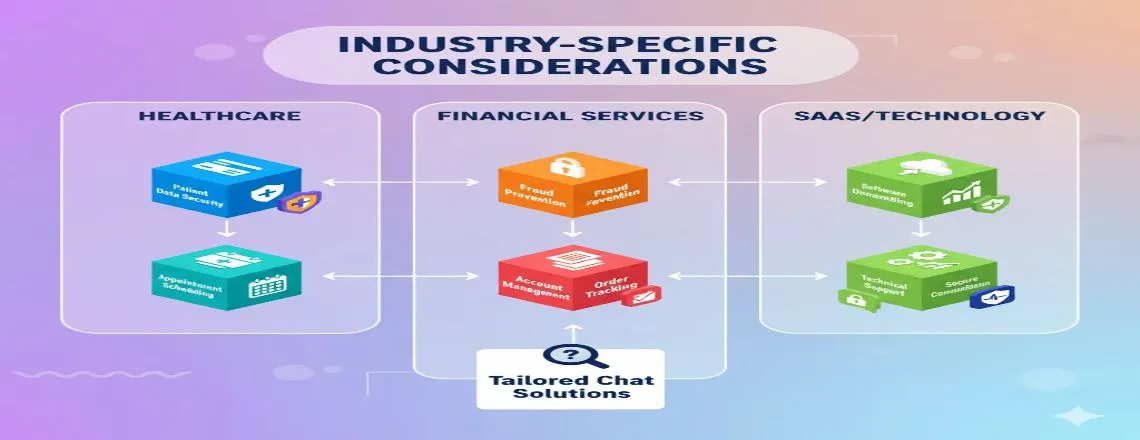
- Healthcare: Medical AI chatbot personal assistant systems require empathetic, professional characteristics inspiring confidence while maintaining boundaries.
- Financial Services: Banking chatbots need trustworthy, accurate traits reflecting security consciousness and compliance.
- SaaS/Technology: Tech-focused AI persona chatbot implementations benefit from knowledgeable, innovative personalities supporting effective lead generation.
Tools And Platforms For Personality Customization
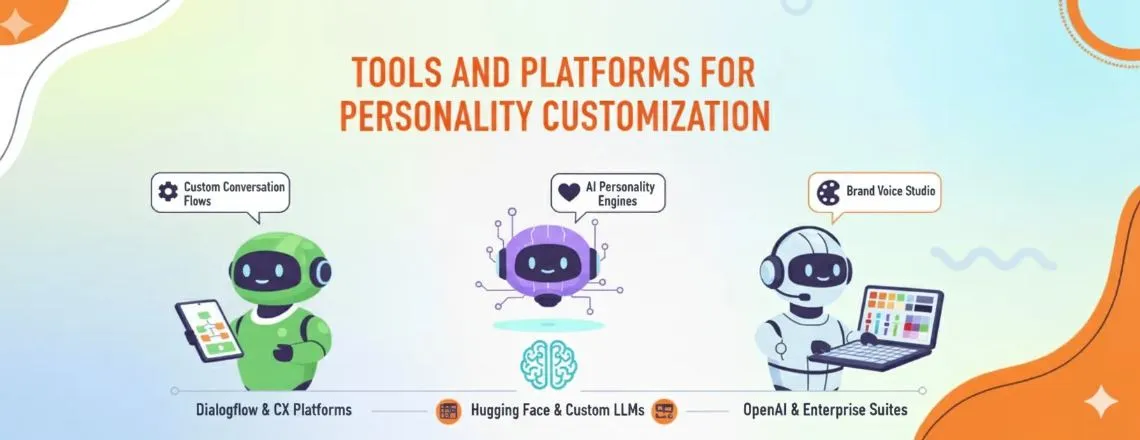
Popular Chatbot Builder
- Enterprise Platforms: Microsoft Bot Framework, IBM Watson, and Google Dialogflow offer comprehensive customization with advanced natural language processing and AI-powered CRM integration.
- Mid-Market Solutions: ChatBoq, Chatfuel, and ManyChat provide accessible features for personal AI chatbot implementation without considerable resources while maintaining conversational UX standards.
- Specialized Platforms: Emerging tools focus on AI chatbot personality development with advanced modeling, emotional intelligence, and brand alignment powered by generative AI.
AI Training Methodologies: Fine-tuning, reinforcement learning, and transfer learning improve personality expression and performance.
Integration Capabilities: Ensure seamless AI-powered CRM integration, omnichannel consistency, and analytics for measuring chatbot ROI.
Measuring Success And Optimization

Key Performance Indicators for Chatbot ROI
- Engagement Metrics: Track conversation length, frequency, and return rates, evaluating personality impact on satisfaction while supporting conversational UX goals.
- Lead Generation: Monitor qualified capture rates, conversion progression, sales attribution, measuring business impact, and customer journey automation effectiveness.
- Support Efficiency: Evaluate first-contact resolution, handling time reduction, ticket deflection, and satisfaction scores, quantifying improvements.
- Brand Perception: Monitor sentiment, consistency ratings, and feedback related to personality characteristics and alignment.
Hyper-Personalization Analytics: A/B testing, pattern analysis, and sentiment monitoring refine conversational UX.
Continuous Improvement: Adaptive models evolve personality based on feedback, maintaining brand alignment.
Common Mistakes to Avoid
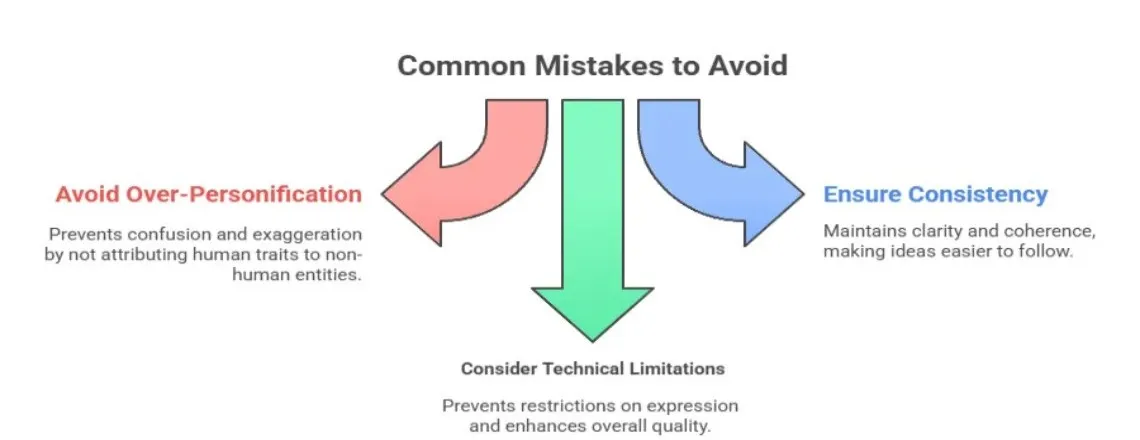
Over-Personification Pitfalls
- Transparency: Clearly communicate AI interaction while keeping engaging personality traits for optimal conversational UX.
- Boundary Management: Design a chatbot expression to acknowledge limitations, set realistic expectations, and preserve positive experiences.
- Professional Boundaries: Maintain appropriate boundaries for AI chatbot personal assistant use while providing helpful support.
Consistency Issues
- Documentation: Keep comprehensive personality guidelines to ensure consistency across updates and support a scalable omnichannel chatbot strategy.
- Testing Protocols: Evaluate consistency systematically across scenarios for reliable conversational design.
- Quality Assurance: Monitor for drift, misalignment, or inconsistencies to protect chatbot ROI and user experience.
Technical Limitations
- Processing Constraints: Account for system limits while delivering effective personality using generative AI capabilities.
- Integration Complexity: Plan integrations carefully to maintain AI-powered CRM integration functionality.
- Scalability: Ensure approaches scale without compromising conversational UX or customer support efficiency.
Future Trends and Innovations in AI Chatbot Personality
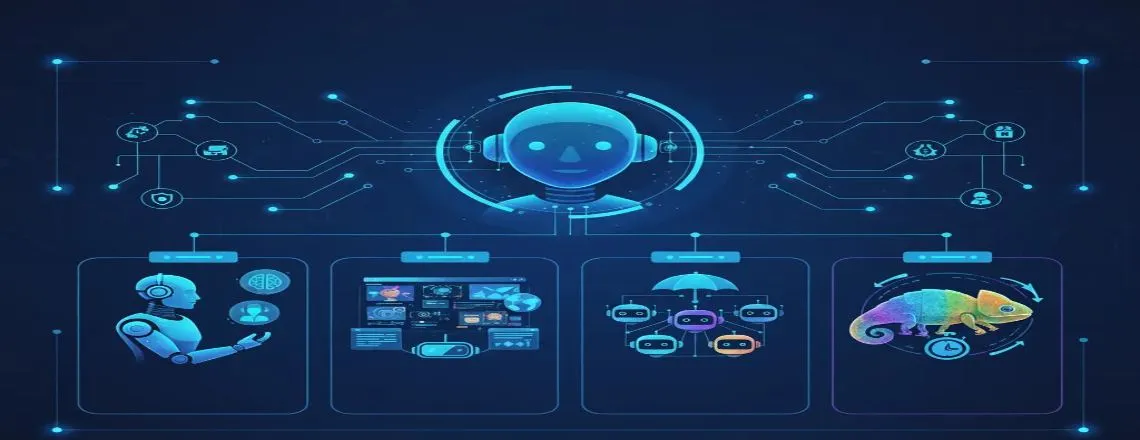
Emerging emotional AI enables chatbots to adjust personalities naturally, enhancing conversational UX and customer experience optimization. Predictive adaptation uses interaction patterns and context for hyper-personalization, maintaining brand voice alignment.
Industries like healthcare, education, and SaaS leverage AI persona chatbots for empathy, professionalism, and workflow integration, improving customer support efficiency and lead generation across omnichannel strategies.
Conclusion: Building Your Brand’s Digital Personality
AI chatbot personality customization gives your brand a digital voice through a personal AI chatbot. It enhances lead generation, customer journey automation, support efficiency, and overall conversational UX. Aligning with your brand and using adaptive AI models and omnichannel strategies ensures consistent chatbot ROI and a valuable, engaging AI asset.
Frequently Asked Questions (FAQs)
It’s the process of shaping how a chatbot communicates to reflect your brand voice and values.
It improves conversational UX, builds trust, and strengthens brand consistency.
Yes, by defining tone, language style, and response patterns aligned with your brand voice.
Healthcare, education, SaaS, e-commerce, and customer service gain the most.
Yes, it increases engagement, lead generation, and customer support efficiency.
It enables more natural, adaptive, and empathetic chatbot conversations.
Use personality guidelines, testing protocols, and continuous monitoring.
Yes, through hyper-personalization powered by adaptive AI models.
Over-personification, inconsistency, and ignoring professional boundaries.
The future lies in adaptive, emotionally intelligent, and brand-aware AI systems that deliver truly human-like experiences.

Daniel Wong
Technical Content Writer
My name is Daniel Wong, a Technical Content Writer from Singapore with a strong interest in AI-powered tools and digital automation. At ChatBoq AI, I focus on creating practical and easy-to-follow content that helps businesses and individuals understand how chatbots work and how to use them effectively.
I enjoy breaking down complex topics like natural language processing (NLP) and conversational AI into simple guides that anyone can follow. Each article is based on careful research, real-world examples, and testing to ensure accuracy and reliability.
Through ChatBoq AI, my goal is to provide readers with trustworthy insights, step-by-step tutorials, and the latest trends in chatbot technology.
✍️
Expert in AI & Chatbot Technology

Leave A Comment